


Saturday, Jan. 20th, 2024

Montana State receives grant to establish initiative to help underserved communities

Julia Haggerty, Montana State University associate professor and acting manager of the new EPA partnership based at MSU, speaks during the Friday, Jan. 19, event. MSU photo by Colter Peterson

BOZEMAN
– At a Jan. 19 event on campus, officials from the U.S. Environmental Protection Agency announced that Montana State University will receive at least $10 million to establish a regional partnership to help communities and tribal nations in six states address environment- and energy-related priorities.

Funded by the EPA’s Environmental Justice Thriving Communities Technical Assistance Centers Program, the MSU-hosted initiative will provide resources and assistance to underserved entities, such as rural and Indigenous communities. With offices on the MSU campus, the program will employ outreach and engagement specialists stationed throughout EPA Region 8, which includes Montana, Colorado, Utah, Wyoming, South Dakota and North Dakota.

“Together, EPA and MSU will help break down the barriers to resources that underserved and overburdened communities have always faced,” said KC Becker, EPA regional administrator. “These communities deserve support and fair access to the historic levels of funding EPA offers to protect families’ health and homes.”

Julia Haggerty, associate professor in MSU’s Department of Earth Sciences in the College of Letters and Science, is serving as acting manager of the new program at MSU, which aims to start operating this spring. A resource and rural geography specialist, Haggerty has spent her career working with communities and tribal nations to identify strategies to enhance resilience and well-being as energy and natural resource markets and policies shift.

Haggerty said that the program will promote student engagement through opportunities for students to support the TCTAC’s activities as interns, part-time workers and through directed study.

“What excites me as a faculty member is that this creates an incredible opportunity to elevate our game when it comes to identifying service-learning opportunities for students as we support program participants,” Haggerty said. “Many students and faculty care deeply about doing work to improve well-being in the region. There will be tremendous opportunities for students to learn from and participate in these efforts.”

MSU’s is one of 13 regional centers being established by the EPA under the White House’s Investing in America agenda. The EPA, in partnership with the U.S. Department of Energy, selected MSU based on its ability to provide technical assistance related to energy and environmental justice, according to an agency press release.

The EPA-funded centers will provide training and other assistance to program participants in such areas as navigating federal grant application systems, developing strong grant proposals and effectively managing funding. The centers also will help identify funding opportunities and support community engagement, meeting facilitation, and translation and interpretation services. An additional focus of the program is accessing experts for consultation on technical and policy issues.

The program at MSU will use the expertise of partner agencies and organizations.

Some of them, such as the Extension programs at MSU, Colorado State University, Utah State University and the University of Wyoming, will receive funding under the five-year grant. Haggerty emphasized the prominent role of Extension programs at all the Region 8 land-grant universities in supervising the community engagement specialists assigned to their specific areas.

“The specialists – five new positions in total – will connect the knowledge and leadership in Region 8 communities with resources to empower local solutions,” she said. “There are currently many funding opportunities to address environmental and energy problems, but those opportunities can fly by underserved communities, where resources needed to apply and manage those funds are stretched thin by existing priorities.”

In keeping with its commitment to improve lives and communities, MSU Extension will use its expertise in community vitality and community-based leadership for the benefit of rural and tribal communities, said Cody Stone, Extension executive director.

MSU’s approach engages the Montana IDeA Community Engagement Core, which works to foster and enhance tribal and rural community partnerships to mitigate health disparities and enhance health equity, and the expertise of faculty and staff across the university.

The Colorado State University Center for Environmental Justice is serving as the executive co-lead alongside MSU. Also funded at CSU are the Center for the New Energy Economy and the Prevention Research Center.

Funded partners not affiliated with any of the land-grant schools in the region are the Alliance for Tribal Clean Energy and The Center for Social Creativity.

Other partner organizations include the Extension programs for North Dakota State and South Dakota Stateuniversities; the Milken Institute Community Infrastructure Center; Environmental Partners Network; Just and Equitable Transition Network; National Renewable Energy Laboratory; Green Latinos; Save Energy Coalition; and Resources Legacy Fund.

More information about the center and the services it will provide is available athttps://ou.montana.edu/thrivingcommunities/index.html.

Add a Comment »

Friday, Jan. 19th, 2024

Safe Storage Tips for Non-Perishable Foods

Storing non-perishable foods effectively is crucial for maintaining their quality and ensuring safety. This type of food, often seen as the backbone of emergency preparedness and pantry stocking, includes items like canned goods, grains, and dried beans. Unlike perishables, these foods have a longer shelf life, but that doesn't mean they're impervious to spoilage or quality degradation. Proper storage is key to preserving their integrity, flavor, and nutritional value. The goal is to protect them from factors like moisture, light, and pests, which can compromise their quality. By understanding the fundamental principles of non-perishable food storage, households can maximize the lifespan of these essential items, reduce waste, and maintain a reliable food supply. This introduction sets the stage for exploring practical and effective storage tips that ensure your non-perishables remain safe, accessible, and ready for use whenever needed.

Choosing the Right Containers

Selecting appropriate containers for storing non-perishable foods is a critical step in preserving their quality. The ideal containers are airtight, durable, and made of food-safe materials. Airtightness is crucial to prevent exposure to air, which can lead to staleness or moisture buildup, potentially causing mold or spoilage. Glass jars with tight-sealing lids are excellent options, as they don’t impart any flavors to the contents and are easy to clean and reuse. Plastic containers can also be used, provided they are BPA-free and designed for food storage. For larger quantities or bulk items, heavy-duty plastic bins or metal containers are suitable, especially when looking for options to store items in locations like self storage units in Baltimore. Such environments require sturdy, pest-resistant, and moisture-proof solutions. 

Additionally, ensuring the transparency or labeling of containers helps in quick identification and rotation of stock, keeping the oldest items at the front for use first. This approach not only helps in efficient space utilization but also contributes to minimizing waste and maintaining an organized pantry.

Ideal Storage Locations

Selecting the perfect spot for storing non-perishable foods is as important as choosing the right containers. The location should safeguard the food from environmental factors that can compromise its quality. A cool, dry, and dark area is ideal, as it minimizes exposure to heat, moisture, and light, all of which can accelerate degradation. The United States Department of Agriculture offers comprehensive guidelines on food storage, emphasizing the importance of temperature control. 

According to their recommendations, the following guidelines should be considered:

                • Avoid areas near stoves or ovens, as heat can spoil food faster.
                • Steer clear of damp places like under the sink, which can invite mold.
                • Keep food away from windows where sunlight can cause temperature
                   fluctuations.
                • Choose a spot that's not prone to drastic temperature changes, like a
                   basement or a pantry.
                • Ensure the storage area is far from chemicals or cleaning agents, to prevent
                   contamination.

These locations, when chosen correctly, not only prolong the shelf life of non-perishables but also help maintain their nutritional value and taste. Proper storage location selection, combined with the right containers, forms a comprehensive strategy for keeping your non-perishable foods safe and consumable for longer periods.

Managing Expiration Dates

Effective management of expiration dates is pivotal in ensuring the safety and quality of non-perishable foods. While these items are known for their long shelf lives, they do not last indefinitely. It's essential to be vigilant about expiration dates to avoid consuming spoiled foods, which can lead to health risks. One effective strategy is to practice the “first-in, first-out” principle, ensuring that older items are used before newer ones. When stocking your pantry, place newly purchased items at the back, allowing older ones to be consumed first.

Regularly checking expiration dates is also crucial. Set aside time monthly to inspect your pantry and remove items that are past their expiration or best-before dates. This not only helps in maintaining food safety but also in avoiding unnecessary waste. In addition to the printed dates, pay attention to the appearance and smell of the food. If something looks or smells off, it’s safer to discard it.

Remember, managing expiration dates is not just about safety; it's also about enjoying your food at its best quality. By keeping a close eye on these dates and organizing your pantry accordingly, you ensure that your non-perishable foods are always fresh and ready to enrich your meals.

Organizing for Easy Access

An organized pantry not only makes finding items quicker but also ensures efficient use and rotation of your non-perishable food stock. A systematic approach to organizing can make a significant difference. The Centers for Disease Control and Prevention highlight the importance of organization in preventing foodborne illnesses.

To streamline your pantry, consider the following steps:

1. Group similar items together – place all grains, canned goods, and spices in their respective sections.
2. Use clear, labeled containers for bulk items – this makes identification easy and keeps food fresh.
3. Allocate specific areas for different food categories – designate a shelf for breakfast items, another for baking supplies, and so on.

This method not only simplifies the process of finding what you need but also helps in tracking your inventory and understanding what needs restocking. An organized pantry reduces the time spent searching for items, minimizing the frustration that can come from a cluttered space. By maintaining a structured approach to storage, you can ensure that every item is easily accessible and used efficiently, reducing waste and saving time.

Pest Prevention Strategies

Keeping pests away from your non-perishable food is essential for maintaining its quality and safety. Pests like rodents and insects are attracted to food sources and can contaminate your supplies. To prevent such infestations, it's important to maintain cleanliness in your storage areas. Regularly cleaning shelves and containers removes crumbs and spills that can attract pests. 

Also, ensure that all food is stored in tightly sealed containers. This not only keeps the food fresh but also makes it inaccessible to pests. Another effective strategy is to periodically inspect your pantry for signs of pests, such as droppings or damaged packaging. Immediate action can prevent larger infestations. Just as restaurants must adhere to strict hygiene standards to ensure food safety, the same principle applies to home food storage. Keeping your pantry clean, organized, and well-maintained is key to preventing pest problems and ensuring your non-perishable foods remain safe and consumable.

Wrapping Up Safe Storage Practices

In conclusion, the proper storage of non-perishable foods is a blend of choosing the right containers, finding ideal locations, managing expiration dates, organizing for accessibility, and preventing pests. These practices ensure that your food remains safe, nutritious, and flavorful. By following these guidelines, you can confidently maintain a well-stocked pantry, ready for everyday meals or unexpected situations.

Add a Comment »

Thursday, Jan. 18th, 2024

Agnes Denes at Tinworks Art

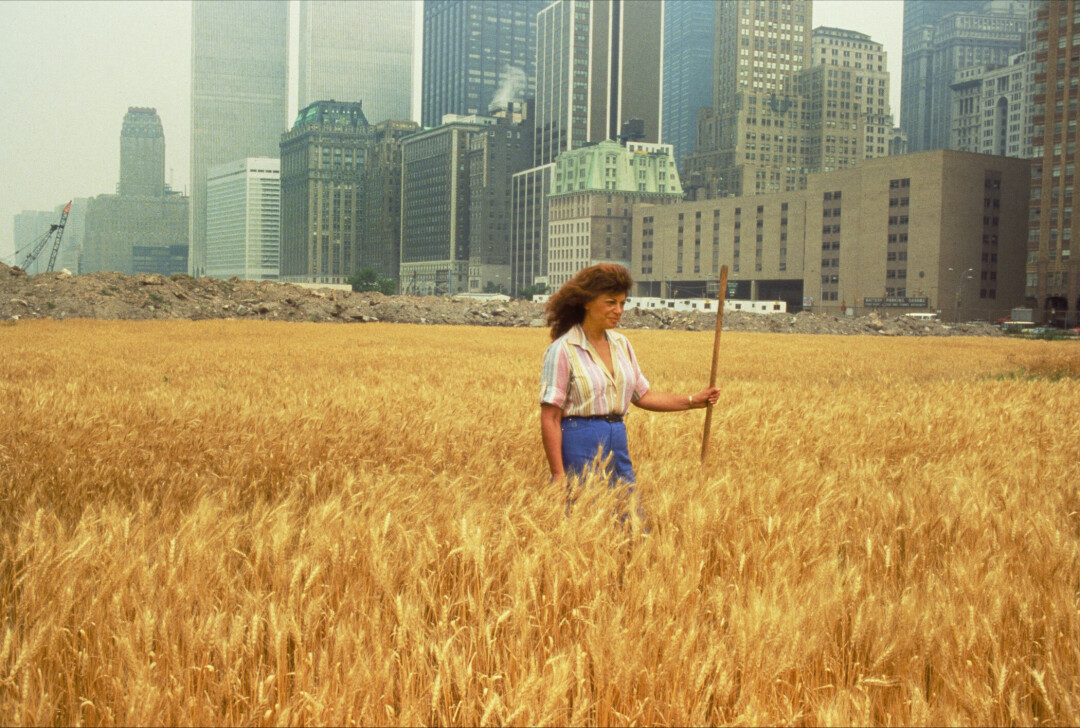
Wheatfield - A Confrontation: Battery Park Landfill, Downtown Manhattan - With Agnes Denes Standing in the Field, 1982

Photo: John McGrail
Courtesy Agnes Denes and Leslie Tonkonow Artworks + Projects


Bozeman – From June 15 through October 19, 2024, Tinworks Art will present a significant new work by Agnes Denes. Wheatfield—An Inspiration. The seed is in the ground will be a multi-faceted installation on Tinworks’ site in the northeast neighborhood of Bozeman, Montana.

A groundbreaking, internationally recognized figure in the conceptual, environmental, and ecological art movements that emerged in the 1960s and 70s, Denes continues to defy easy classification. She engages science, philosophy, math, linguistics, technology, engineering, urban planning, music, and poetry in visionary works that explore environmental consciousness and humanity’s impact on the planet. One of her most recognized and influential works is Wheatfield—A Confrontation, from 1982, in which Denes planted a two-acre field of wheat in prime New York real estate in Lower Manhattan. Her artistic and environmental intervention disrupted the normative urban landscape with a rural element, forcing viewers to confront the

contrast between a natural, agricultural scene and the dense, constructed environment of the city. It is widely considered to be one of the first ecological artworks.

In the forty years since Wheatfield—A Confrontation appeared in New York City, this is the first time that Denes has accepted an invitation to reposition the work in the United States and reconsider the materiality and symbolism of the wheatfield in another American context. Reimagining Wheatfield in this location proved particularly compelling for the artist because of the significant role wheat has played in the economy of Montana, the increasing loss of farmland in the rapid urban growth of Bozeman, and the opportunity to reclaim another valuable piece of land through an artistic ecological intervention.

“I am truly honored that Agnes Denes has chosen Tinworks for the creation of a significant new work.” said Jenny Moore, Director of Tinworks Art. “Agnes was the first artist I thought of in imagining what could be possible as we establish a new artist-centered space in the American West. Agnes has been posing brilliant solutions to the world’s greatest problems for more than sixty years. The breadth of her work and the range of her interests has been deeply inspiring in the consideration of where artists can take us.”

Denes created Wheatfield—A Confrontation (1982) in the landfill created by the construction of the World Trade Center; planting, tending, and harvesting the field before the site was developed into Battery Park City. Denes has shared that Wheatfield—A Confrontation represented “food, energy, commerce, world trade, economics. It referred to mismanagement, waste, world hunger, and ecological concerns. It was an intrusion into the citadel, a confrontation of high civilization. Then again it was Shangri-la, a small paradise, one’s childhood, a hot summer afternoon in the country, peace, forgotten values, simple pleasures.” Wheatfield—An Inspiration (2024), is planted on land once slated for development, but is now being restored through the installation of land-based ecological artworks, beginning with Denes’ Wheatfield—An Inspiration. The subtitle, The seed is in the ground, refers to the current state of the new artwork, with seeds planted this past fall, to the role of art in the rejuvenation of the land at Tinworks, and also to the seed of a new art space that is Tinworks taking root in the American West. Using wheat as material for the consideration of ecological knowledge, community solidarity, restorative practices, and creative food production, Denes inspires dialog and reflection about humanity’s impact on the environment and the role of art in addressing critical social issues.

For Wheatfield—An Inspiration, Denes selected a variety of winter wheat specific to Bozeman, which was seeded on-site at Tinworks in October 2023. As the sprouts go dormant in the winter months, the project expands through the circulation of Questionnaire, a work Denes first produced in 1979. Denes is inviting the public to answer questions about humanity that she has posed since Questionnaire’s first drafting, as well as additional questions addressing new concerns about artificial intelligence and global warming, Questionnaire is not only a compilation of creative solutions but also an opportunity to communicate with the future. While past

iterations have been buried in time capsules with instructions to be opened in 1000 years, Tinworks’ questionnaire will offer perpetual engagement, as the questions are made accessible to the public by a QR code included on the plaque that will mark the piece at Tinworks’ site and responses continuously saved to the cloud.

Another important component of this new work is the invitation Denes extends to the Bozeman community to participate in the artwork by planting spring wheat “on any fallow piece of land throughout town, in solidarity with Wheatfield—An Inspiration (2024).” This participatory element has instigated a partnership with the College of Agriculture at Montana State University in Bozeman. Professors in the Department of Plant Sciences and Plant Pathology will use Denes’ artwork as an outdoor laboratory for soil fertility, crop production, and landscape design courses. Additional partnerships are planned for harvest. The wheat will be processed into flour by local small-scale mills, baked into bread by celebrated Bozeman bakery Wild Crumb, and distributed throughout the community. The scope of Wheatfield—An Inspiration demonstrates Tinwork’s commitment to ambitious projects that provide the space and support for artists and the public to directly engage in contemporary issues and the complex challenges of our time. As Denes explains, “The Wheatfield is hope. There is renewal in the seed. We are planting hope.”

About the Artist

Agnes Denes was born in Hungary in 1931. Since the 1960s, she has participated in more than 700 exhibitions at museums, galleries, and art spaces worldwide. Recent solo exhibitions and presentations include “Agnes Denes: Early Work,” If the Berlin Wind Blows My Flag. Art and Internationalism Before the Fall of the Wall, Galerie im Körnerpark, Berlin, Germany (2023); Agnes Denes: Philosophy in the Landscape, acb Gallery, Budapest (2023); Agnes Denes: The Living Pyramid, Sakıp Sabancı Museum, Sabancı University, Emirgan, Istanbul (2022); Agnes Denes: Another Confrontation, CIRCA, London, New York, Berlin (2022); Agnes Denes: Photos of the Mind, 1969–2002, Leslie Tonkonow Artworks + Projects, ADAA Member Viewing Rooms (2020); and Agnes Denes: Absolutes and Intermediates, The Shed, New York (2109). Recent group exhibitions with her work include Artists Born Elsewhere: Selections from the Museum’s Permanent Collection, University Museum of Contemporary Art, UMASS, Amherst (2023); The Irreplaceable Human: The Conditions of Creativity in the Age of AI, Louisiana Museum of Art Humlebæk, Denmark (2023); Extreme Tension: Art between Politics and Society 1945-2000, Neue Nationalgalerie, Berlin (2023); Our Ecology: Toward a Planetary Living, Mori Art Museum, Tokyo (2023); Can’t See, Sequences Biennial XI, Icelandic Art Center, Reykjavik (2023); RE/SISTERS, Barbican Art Gallery, London (2023); Groundswell: Women of Land Art, Nasher Sculpture Center, Dallas (2023); Nature Doesn’t Know About Us, Sculpture Milwaukee (2023); Dear Earth: Art in a Time of Crisis, The Hayward Gallery, London (2023); Coded: Art Enters the Computer Age, Los Angeles County Museum of Art (2023); Adaptation: A Reconnected Earth, MCAD, Manila (2023); Pour, Tear, Carve, The Philips Collection, Washington, D.C. (2023); Territories of Waste: On the Return of the Repressed, Museum Tinguely, Basel (2022); Back to Earth, Serpentine North Gallery, London (2022); and The Milk of Dreams, the 59th International

Art Exhibition of La Biennale di Venezia (2022). Denes has completed many public and private art commissions in the Americas, Europe, Australia and the Middle East, is the author of six books, and has participated in numerous publications. Among several international awards and honors including four National Endowment for the Arts Fellowships and the Rome Prize from the American Academy in Rome, she holds honorary doctorates from Ripon College, Ripon, Wisconsin and Bucknell University, Lewisburg, Pennsylvania, and fellowships from the Studio for Creative Inquiry at Carnegie Mellon University and the Center for Advanced Visual Studies at M.I.T.

About Tinworks Art

Tinworks Art is a new non-profit art space in Bozeman, Montana. It is a place where contemporary art connects with the American West by weaving together its complex landscape, stories, experiences, and cultures. Tinworks makes possible art engagement in non-traditional spaces, enriching the cultural and social fabric of greater Bozeman and the Mountain West. In 2022, Tinworks Art committed to invest in a permanent home to deepen its connections with artists and audiences, and to center art in this time of change.

Add a Comment »

Tuesday, Jan. 16th, 2024

3 fishing access sites in southwestern Montana close on Jan. 16 due to flooding

BOZEMAN – Emergency closures went into effect on Tuesday at three fishing access sites in southwestern Montana due to flooding.

The sites include Selway Park Fishing Access Site on the Beaverhead River, and Valley Garden and Ennis fishing access sites on the Madison River. These sites will be closed until further notice.

Recent cold weather has led to ice jams on rivers in these areas, causing ice and debris to flow into the sites. The combination of unsafe conditions includes flooded areas, moving ice and debris, and potentially unstable trees. Montana Fish, Wildlife & Parks will reopen the sites when conditions allow.

Additional site closures may be in effect already or required later, depending on weather and river flows. Current restrictions and closures of FWP-managed lands and waterbodies can be found online at fwp.mt.gov/news/current-closures-restrictions.

Recreationists are encouraged to use caution when visiting rivers because of unseen hazards, as well as flow and ice conditions that can change suddenly. For more information about river recreation safety, visit fwp.mt.gov/activities/boating/river-ethics.

Add a Comment »

Spotify Playlist Promotion Is A Real Blast


Every musician struggles to find his target audience. Beginning musicians struggle with finding their first listeners, but even after building a considerable audience, they need to constantly work so their listeners don't forget about them. If you've tried all the ways to promote your music on Spotify and are still unhappy with the results, Spotify playlist promotion can be a life-changing solution for you. Let's discover what that is and how to choose the best Spotify playlist promotion for your Spotify account.

When promoting your music on Spotify, it's essential to have a carefully planned promotion strategy. You need to first decide what results you want to achieve. Do you want to help more people find out about your music? Do you want to boost your new track? All this is important when choosing the type of Spotify promotion. So, if you're struggling to get recognition in the industry, getting a Spotify playlist promotion is one of the best ways to help people notice you.

How does it work?

So, what is Spotify playlist promotion? We all know what Spotify playlists are. Such playlists usually contain songs that have something in common. For example, they are dedicated to a particular topic, are composed in the same genre, or simply have a similar mood. The main advantage of those playlists is that they gather together an audience that is fond of a particular type of music. We call this a target audience. When promoting your music on Spotify, you need to be able to find the people who are interested in your songs. It's not only about improving the visibility and making anyone notice your music. If you want to get a real result and find new fans, you need to have a chance to reach the right people. When placing your signs on Spotify playlists, you immediately get access to a specific group of people who are potentially looking for the kind of music you make. Working with your target audience is really important if you want to gain appreciation and build a solid audience.

How do you choose the best Spotify playlist promotion?

Since promotion works with Spotify's algorithms, this is not an easy task, and it's better to have someone experienced do it for you/ special promotion services allow you to buy different types of Spotify playlist promotions. When searching for such a service, you need to make sure about a few things:

  • Whether the traffic it brings you is organic. When promoting Spotify playlists, you want to get a chance to reach real active Spotify users. Simply faking the statistics and getting plays from bots is not going to work
  • Check the efficiency of promotion by reading the feedback from users. Make sure that the service you are using is legit and is popular among other users.

One of the best Spotify promotion services is PromoSound. This platform offers users various ways to promote themselves. With years of experience, the platform's professionals offer different Spotify playlist promotion packages that would fit the needs and the budget of any musician. When searching for a reliable platform, you need to check if there's any legitimate information proving its success, and Promotosund is such a platform. Its experience is based on placing over 20,000 tracks on premium Spotify playlists, offering its users over 5 billion organic Spotify plays and more. If you really want to rock the industry, you need to invest in promotion wisely, so when choosing one, make sure to pay attention to such numbers.

Spotify playlist promotion is the key to success now; let's suppose you've chosen a promotion service. Then how do you choose the best promotion package? When choosing one, think of the budget you're ready to invest. Here, there are various strategies. If you want to get a quick result and have everyone around talking about you, you need to play big. However, you can take another strategy and develop your Spotify account gradually. For example, if you're just at the beginning of your music career, it is a good idea to invest in malles but regular promotion. This will help you to get organic growth and gradually develop your audience.

What are you waiting for?

Let's sum up all the advantages of Spotify playlist promotion:

  • it gives you access to a big audience since such curated playlists usually have a significant fixed number of listeners
  • help you get noticed by your target listeners. When placing your song in the right playlist, you are maximizing your chance to reach your future devoted fan.
  • reasonable price. Spotify playlist promotions are usually offered at a very reasonable price compared to the result they bring. Just one investment in spoofy promotion can change your music career forever!

So what are you waiting for? Stop wasting your time and get down to promoting your music! Let everyone find out your name and bring your career to a whole new level!

Add a Comment »

HRDC Reports Record High Demand For Emergency Shelter in Bozeman and Livingston

The demand for emergency shelter has never been greater in Bozeman and Livingston. Last night, HRDC provided a safe, warm place to sleep for 118 people in Bozeman and 18 people in Livingston who had nowhere else to turn. These numbers are an all- time high for both shelters.

HRDC is grateful for community members who are donating money, clothing, blankets, and more to help keep everyone safe during this extreme cold snap. Today, Montana State University’s Track Team is volunteering their time to call attention to this urgent need in our community. Team members are braving below zero temperatures on Main Street in Bozeman as they inform passersby about HRDC’s Warming Centers and solicit contributions over the lunch hour

With the frigid temperatures still holding on and most of the cold winter weather yet to come this season, HRDC continues to welcome donations, particularly financial ones of any amount, to help them continue to care for our neighbors in need in Gallatin and Park Counties.

Donations to HRDC’s Warming Centers can be made online by visiting https://thehrdc.org/donate or can be submitted by mail to HRDC, c/o The Warming Center, 32 S. Tracy Avenue, Bozeman, MT 59715.

As a private, not-for-profit Community Action Organization focused on building a better community through its nearly 50 initiatives, HRDC combats poverty in southwestern Montana and believes everyone deserves the opportunity to be financially stable. Donors, volunteers, and community members can find out what we have in common at https://thehrdc.org

Add a Comment »

Thursday, Jan. 11th, 2024

Code Blue Warning Issued by HRDC's Shelter In Response to Arctic Cold Front

BOZEMAN – Severe cold weather is forecast to hit the region beginning on Friday putting community members who are unhoused at high risk for exposure-related injuries.

Brian Guyer, HRDC’s Housing Director, issued the Code Blue designation which will begin at 7:00 am Friday and continue through 7:00 pm Monday depending on conditions saying, “This is always a very necessary, but costly action to take. While our Bozeman and Livingston emergency overnight shelters are not currently funded to be open during daytime hours, we are extremely concerned about our guests’ safety. We can use all the support our community can provide to help keep our doors open around the clock for anyone seeking a warm, safe place to stay. Getting people out of the elements is our top concern.”

In 2021, HRDC doubled its emergency shelter capacity in both Bozeman and Livingston. Now in 2024, its Bozeman emergency shelter is experiencing near capacity usage with 100 guests or more on multiple occasions already this winter, even with the mild temperatures. “Our guests come from every walk of life. Whether it’s a loss of income, significant rent increase, unexpected medical costs, or the loss of a loved one – any major life change can lead to someone becoming unhoused,” said Jenna Huey, HRDC’s Emergency Shelter Services Manager. Huey continued, “Over the past couple of years, we’ve been particularly concerned with the fast-growing population of people seeking shelter who are 60 and older. It’s truly heartbreaking to see so many of our most cherished neighbors in need of a place to stay, especially during frigid weather.”

HRDC shelters up to 120 individuals each night and provides non-congregate shelter for families and individuals needing medical respite at a second Bozeman location. Regrettably, even with these facilities, seven people passed away while unhoused last year.

The 2023 annual Point in Time count revealed a significant increase in homelessness in Bozeman and Livingston, with 261 individuals recorded, marking a 41% rise from the previous year. Notably, there were spikes in homelessness among youth, families with children, and seniors. HRDC acknowledges the compassionate nature of these communities and relies on their support to assist those in need during the winter season.

Donations to HRDC’s Warming Centers can be made online by visiting https://thehrdc.org/donate/ or can be submitted by mail to HRDC, c/o The Warming Center, 32 S. Tracy Avenue, Bozeman, MT 59715.

Add a Comment »

Drug Addiction and Destruction: The Meth Epidemic Unraveled


Methamphetamine, commonly known as meth, is a highly addictive stimulant drug that has ravaged individuals, families, and communities worldwide—a rampant global issue. The meth epidemic poses significant health, social, ad economic challenges.

This article will delve deeper into the origins, appeal, destructive effects, and societal costs of the meth epidemic while shedding light on strategies to combat it. Read more!

The Origin of Methamphetamine

Methamphetamine was first developed in the early 20th century from its parent drug, amphetamine, and was used during World War II to increase alertness and endurance in soldiers. In the 1950s, it was prescribed as a diet aid and an antidepressant. 

However, by the 1960s, the harmful effects of meth became apparent, leading to tougher regulations. Despite this, illegal manufacturing and distribution flourished in the 1970s, leading to today's crisis.

Understanding Meth's Allure

Methamphetamine has a powerful effect on the brain's reward system. This destructive substance operates by altering fundamental systems and functions in the brain.

      • Firstly, it boosts the production of dopamine, a neurotransmitter responsible
         for feeling pleasure.
     • This artificial and intense pleasure creates a strong sense of euphoria, making
        the drug highly addictive.

At this crucial point, it's essential to remember that, according to Diamond Rehab, there are ways to avoid methamphetamine addiction. These prevention methods are vital in thwarting the onset of addiction in the first place.

     • Despite the allure of this drug, users often start a dangerous cycle, consuming
        more meth in an attempt to recapture the initial high. This cycle furthers the
        depths of addiction and harm to the body and mind.

Meth’s Devastation to Health

The destruction meth causes can be both short-term and long-term, impacting various health aspects and leading to life-threatening conditions.

Short-Term Effects

The short-term effects of meth are immediately apparent after use, dropping hints of the multitude of health problems that are on the horizon:

Increased Activity: Meth stimulates the nervous system and floods the brain with dopamine. This results in an increase in energy and hyperactivity, often leading to sleep disorders.
Decreased Appetite: Meth abuse often triggers a lack of interest in food. The immediate suppression of appetite can lead to unhealthy weight loss.
Rapid Heart Rate: Meth causes an increase in heart rate and blood flow. This places enormous pressure on the heart and can lead to a variety of cardiovascular problems, including heart attacks.
Increased Blood Pressure: The surge in energy caused by meth comes with a spike in blood pressure. Prolonged high blood pressure can weaken the heart and potentially result in strokes.

Long-Term Effects

Long-term effects of meth abuse are far more severe, with outcomes often irreversible and devastating:

Severe Dental Problems: Chronic meth users often suffer from "meth mouth," a syndrome that results in rapid tooth decay, gum disease, and tooth loss. The acidic nature of meth combined with poor oral hygiene and dry mouth condition commonly seen in meth users drives severe dental problems.
Extreme Weight Loss: Continuous neglect of nutrition due to suppressed appetite leads to excessive, unhealthy weight loss. Users become frail, with noticeable wasting of the body's muscles and tissues.
Skin Sores: Meth often induces hallucinations of bugs crawling under the skin. This, in turn, leads to obsessive scratching, resulting in sores and lesions on the skin that can lead to infections and scarring.

The Social Cost of the Meth Epidemic

Inextricably linked to crime, violence, and socioeconomic decay, the meth epidemic carries a significant societal cost:

The strain on healthcare systems: Emergency departments are increasingly dealing with meth-related incidents, from overdoses to drug-induced psychosis.
Impact on children and families: Children living in homes where meth is used or produced face numerous risks, including neglect, abuse, and health risks.
Meth-related crime: From production to distribution, the illegal meth trade contributes to a cycle of criminal activity.

Addressing the Meth Epidemic

Resolving this epidemic requires a multi-faceted approach encompassing prevention, treatment, and law enforcement action. Key strategies include:

Prevention: Education initiatives are crucial to raise awareness about the dangers of meth use.
Treatment: Accessible, affordable, and effective treatment options are needed for those struggling with meth addiction.
Law enforcement: Coordinated international efforts can disrupt the production and trafficking of methamphetamine.
An important note: Reversing meth addiction is not easy but is possible.

Comprehensive treatment that addresses not only drug use but underlying issues such as trauma or mental health disorders can lead to successfully overcoming the addiction.

Final Thoughts

The meth epidemic is a pressing public health crisis that continues to cause extensive damage to individuals, families, and societies. After unraveling its chaotic influence on health and society, we realize it requires intense, sustained efforts to mitigate its destructive impacts.

Let's commit ourselves to fostering understanding, compassion, and action against this epidemic, paving the way to healthier societies free from the tyranny of drug addiction.

Add a Comment »

Tuesday, Jan. 9th, 2024

Bozeman Becomes First National Association of City Transportation Officials (NACTO) City in Montana

BOZEMAN, Montana (Jan. 9, 2024) — The City of Bozeman was recently accepted into the National Association of City Transportation Officials (NACTO), becoming the first city in Montana to have this designation. Bozeman joins over 100 cities and transit agencies in the mission to provide safe, sustainable, accessible, and equitable transportation choices to all.

“This designation further demonstrates our deep commitment to increasing safety in Bozeman across all modes of travel,” Transportation & Engineering Director Nicholas Ross shared. “Having this network of cities working collaboratively on transportation issues is incredibly valuable and will help us bring innovative and new ideas back to Bozeman.”

Many of the existing NACTO cities are larger. Ross commented, “This association is just as, if not more so, valuable for smaller and more rural areas like ours, as many cities like ours operate on a scarcity model and focus on the highest needs first. It can be challenging to also think about best practices while you’re trying to address issues, but it can go a long way in improving your transportation network.”

NACTO has several programs and initiatives that help cities design better streets and develop better transportation policies. The group shares findings on everything from bike shares to autonomous vehicles to stormwater design, helping cities improve their existing infrastructure and prepare for the future.

"We're so excited to have Bozeman joining the NACTO community," said Corinne Kisner, NACTO's Executive Director. "An engaged, vibrant network of transportation leaders that shares ideas and best practices is the foundation of everything NACTO does. We look forward to learning with and from the team at Bozeman as we work together to grow the movement to build safer, more sustainable, and more equitable cities."

More information on NACTO and its member cities can be found at www.nacto.org.

Add a Comment »

State agencies respond to questions about wildlife diseases

HELENA – Two diseases mostly affecting wild birds have been detected recently in Montana. 

These include pigeon paramyxovirus (PPMV), which has become more widespread in the past month, and highly pathogenic avian influenza (HPAI), which has been detected in Montana since 2022. Mortality in wild birds from HPAI tends to cycle with waterfowl migrations, and detections of HPAI in Montana have increased recently due to seasonal migrations. 

Hunters, livestock and pet owners, and other residents may have questions about these pathogens and what precautionary steps they can take. Here are some answers to common questions related to these diseases.  

HPAI 

What is avian influenza virus? 

Avian influenza (AI) virus is a naturally occurring virus of birds. AI viruses are classified into two groups, based on the severity of disease they cause in infected poultry. Low pathogenic avian influenza viruses generally cause no clinical illness, or only minor symptoms in birds. Highly pathogenic avian influenza viruses are extremely infectious and fatal to poultry and some species of wild birds. It has also been known to infect mammals in limited cases, likely from consuming infected waterfowl.  

Does HPAI infect humans? 

Different HPAI viruses have different levels of infectivity for humans and cause symptoms of varying degrees of severity. Twelve human cases with the current H5N1 bird flu virus have been reported worldwide since 2021. Current studies suggest that the type of H5N1 virus circulating worldwide does not easily infect humans. Other H5N1 viruses, which sometimes circulate and cause outbreaks in several different countries, have caused serious illness and death.  

Although the Centers for Disease Control and Prevention (CDC) considers risk of HPAI spread to humans to be very low, Montanans, including hunters, should take precautions when handling game birds or any sick or dead bird they find. Whenever possible, avoid contact with sick or dead wildlife. Even if a bird is not suspected to have died from a contagious disease, gloves should always be worn if a dead animal must be handled for disposal. 

If you develop flu-like symptoms within 10 days of contact with a wild bird or ill domestic fowl, contact your primary care provider to notify them of your symptoms and recent bird contact. HPAI testing can be arranged through your local or state health department. 

What about HPAI transmission to pets? 

The risk of HPAI transmission to domestic mammals continues to be low. However, mammals such as dogs and cats are at increased risk if they ingest infected domestic or wild birds or their bodily fluids. Stray or feral cats and dogs, hunting dogs, and outdoor pets may be at increased risk given the possibility of finding and ingesting dead or sick birds. Limiting pet exposure to domestic poultry and wild birds, especially if the birds are sick or dead, can help reduce the risk of transmission.  

PPMV 

What is pigeon paramyxovirus?  

Paramyxoviruses are also naturally occurring viruses in birds. Montana Fish, Wildlife & Parks (FWP) recently detected PPMV-1 in Montana. This strain of PPMV is not known to affect most mammals and usually does not affect avian species aside from doves and pigeons. While there have been no confirmed cases of PPMV-1 causing disease in poultry in the U.S., some other avian paramyxoviruses can affect poultry and other avian species.  

Does PPMV infect humans? 

PPMV infection in humans is extremely rare, often following direct, extended contact with infected birds. PPMV in humans typically results in very mild symptoms. However, fatal and severe cases of PPMV have also been observed in humans and is a concern for immunocompromised individuals. Montanans should take precautions when handling game birds or any sick or dead bird they find. Whenever possible, avoid contact with sick or dead wildlife. Even if a bird is not suspected to have died from a contagious disease, gloves should always be worn if a dead animal must be handled for disposal. 

What about PPMV transmission to domestic animals? 

PPMV-1 usually does not affect avian species aside from doves and pigeons. Limiting domestic animals’ exposure to wild birds, especially if the birds are sick or dead, can help reduce the risk of illness in domestic animals.   

What Montanans can do to help 

I’ve found a dead bird. What should I do? 

If dead wild birds need to be collected for disposal, wear disposable gloves and scoop the bird into a plastic bag, then seal or tie the bag and place it in a garbage receptacle.  

If you suspect an outbreak of HPAI in your own poultry/domestic animals, or if your flock experiences sudden die off, follow the collection procedure above and contact the Montana Department of Livestock at 406-444-2976. 

When should I report dead wild birds to FWP? 

Montana Fish, Wildlife & Parks is interested in reports about certain situations of sick or dead wild birds where disease testing may be warranted. These include reports of five or more sick or dead wild birds in the same location, sick or dead wild birds found in proximity to domestic poultry, or sick or dead wild birds that have had prolonged or close contact with people. FWP staff will determine on a case-by-case basis when testing is needed and may not be able to respond to all reports. To submit a report, contact your local FWP office.   

What precautions should I take when hunting? 

Avoid harvesting birds that appear sick. Risk of exposure is highest when handling carcasses and tissues of freshly killed birds. Waterfowl hunters should clean their harvested birds in a place with good ventilation and wash hands and tools thoroughly afterward. Practice good food-handling procedures. Risk of infection from consuming properly handled cooked meat is very low. Do not feed raw waterfowl scraps (including meat, organs, etc.) to domestic animals (dogs, cats, chickens, etc.), even if the harvested bird appeared healthy. 

What precautions should falconers take? 

Some common recommendations for falconers include avoiding hunting of waterfowl (HPAI is very contagious to raptors), not feeding waterfowl to your birds, avoiding hunting in areas where waterfowl are congregating, and practicing good biosecurity. This might include enhanced facility cleaning protocols, taking measures to prevent access of wild birds to the facility, quarantining any new birds for 10-14 days, and avoiding contact with people or materials that have been in recent contact with wild birds. 

What if my dog becomes sick? 

If your dog shows signs of being sick (respiratory issues, fatigue, lethargy, stomach issues, etc.), especially if the dog has been in contact with birds, take the dog to your veterinarian. If the sick dog has had contact with birds, notify the veterinarian that HPAI may be a concern.  

Where can I find more information?  

More information on these and other wildlife diseases can be found at fwp.mt.gov/conservation/diseases.  

More information for hunters on preventing the spread of HPAI to domestic poultry can be found at aphis.usda.gov/publications/animal_health/fsc_hpai_hunters.pdf

For additional information on HPAI in humans, see the CDC’s summary page of Bird Flu Virus Infections in Humans at www.cdc.gov/flu/avianflu/avian-in-humans.htm. The CDC also maintains a current situation report, which can be found at www.cdc.gov/flu/avianflu/avian-flu-summary.htm.  

Add a Comment »

News Comments