


Monday, Mar. 23rd, 2026

The Overlooked Responsibilities That Come With Owning a Home on Open Land
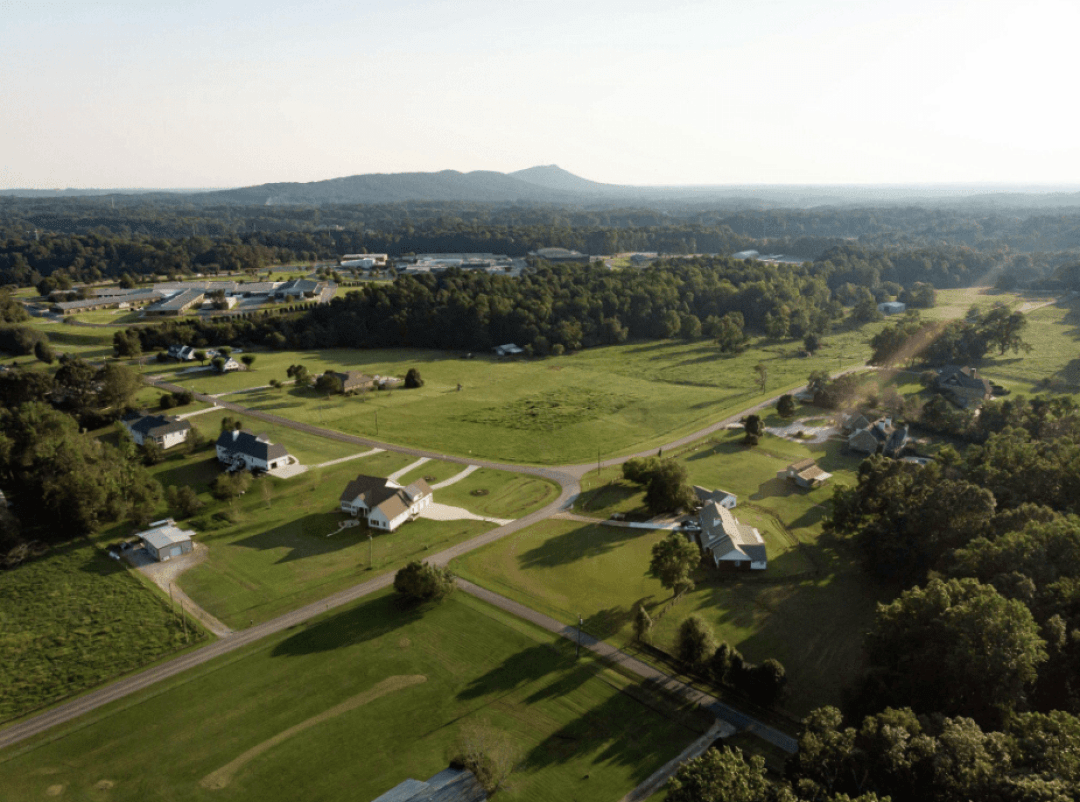
Photo by Bennie Bates on Unsplash

Owning a home outside of dense urban environments often comes with a sense of freedom, more space, fewer restrictions, and a closer connection to the surrounding environment. But along with that independence comes a set of responsibilities that are not always immediately obvious.

Unlike properties connected to centralized systems, many homes require a more hands-on approach to maintenance and long-term care. Daily comfort is not just about what happens inside the house, but also about how the property is managed as a whole. This includes everything from water usage to waste handling and environmental impact.

For homeowners, adapting to this level of responsibility means thinking beyond standard routines. It requires awareness of how individual actions affect the property over time and how small decisions can influence long-term functionality.

Living With Systems That Require Direct Attention
Homes that are not fully connected to centralized infrastructure often rely on systems that require more direct involvement. These systems do not operate entirely in the background, they depend on how they are used and maintained.

This creates a different kind of relationship between the homeowner and the property. Instead of relying on external services for every issue, there is a greater emphasis on understanding how things work and recognizing when something needs attention.

This shift encourages a more proactive approach to home care, where small adjustments and regular checks become part of everyday living.

Why Routine Habits Matter More Than Expected
In these environments, daily habits have a direct impact on how well a property functions. Water usage, waste disposal, and maintenance routines all influence long-term performance.
Small changes, such as spreading out water usage or being mindful of what goes down drains, can make a significant difference. Over time, these habits help maintain balance and reduce the likelihood of problems.

Homeowners who develop consistent routines often find that their properties remain more stable and easier to manage.

Support Services That Keep Properties Running Smoothly
Even with a hands-on approach, professional support remains an important part of property care. Some tasks require expertise and equipment that go beyond routine maintenance.
Many homeowners rely on providers like Mountain Septic to handle specialized servicing and ensure that everything continues to operate as expected.

Working with experienced professionals helps prevent issues from escalating and provides reassurance that systems are being managed correctly.

Property Care and Environmental Awareness

Photo by Juan Pablo on Unsplash

Managing a property also involves understanding how everyday use affects the surrounding environment. Waste systems, water usage, and maintenance routines all contribute to the long-term condition of both the home and the land around it.

When these elements are handled responsibly, they help preserve soil quality, protect nearby water sources, and maintain a healthier living environment overall. Poor maintenance, on the other hand, can lead to gradual issues that are not always immediately visible but can have lasting consequences over time.

Research from the U.S. Environmental Protection Agency (EPA) highlights that properly maintained wastewater systems play an essential role in preventing groundwater contamination and supporting environmental safety.

This makes regular servicing and mindful usage more than just a practical concern, it becomes part of responsible property ownership, ensuring that both the home and its surroundings remain stable and sustainable.

Recognizing When Something Isn’t Working Right
One of the most valuable skills for homeowners is the ability to recognize early signs of potential issues. Changes in drainage, unusual smells, or slower system performance often indicate that something needs attention.

Catching these signs early allows for simpler solutions and prevents larger disruptions. It also reduces the likelihood of costly repairs that could have been avoided.

Awareness becomes an important part of property management, helping homeowners stay ahead of problems rather than reacting to them.

Long-Term Thinking in Property Ownership
Owning a property that requires active management encourages a long-term mindset. Decisions are made not just for immediate convenience, but for how they will affect the property over time.

This includes planning for maintenance, understanding system capacity, and making adjustments as needs change. Over time, this approach leads to more stable and predictable outcomes.

Homeowners who adopt this perspective often find that their properties remain easier to manage and more resilient to change.

Balancing Independence With Practical Support
While independence is a key benefit of this type of living, it does not mean handling everything alone. The most effective approach combines self-sufficiency with access to reliable support when needed.

Knowing when to seek professional help is just as important as maintaining daily routines. This balance ensures that systems continue to function properly without placing unnecessary strain on the homeowner.

By combining practical knowledge with trusted support, homeowners can maintain both independence and reliability.

Creating a Lifestyle That Works With the Property
Ultimately, living in this type of environment requires adapting lifestyle habits to fit the property. Instead of expecting systems to adjust automatically, homeowners learn to work with them.

This creates a more intentional way of living, where daily choices are aligned with long-term functionality. It also fosters a deeper connection to the home, as each action contributes to how well the property performs.

Over time, this approach transforms property ownership from a passive experience into an active and rewarding part of everyday life.


Add a Comment »

Mr. Vale's Math Class - New EP "Live, Math, Love" - Bozeman Hot Spring 4/5


Mr. Vale’s Math Class, is playing in Bozeman at Bozeman Hot Springs Sunday, April 5th. Mr. Vale's Math Class is more than the sum of its parts—the six-piece funk band brings rollicking dance-party vibes backed by zippy horns, wink-and-a-nod lyrics, and an energizing stage performance to the Pacific Northwest and beyond. If only high school math class were this much fun.

Oscillating between playful and serious, the band riffs its way through blues, funk, and jammy notes from bygone eras, with modern, fresh lyrics that feel plucked from a math wizard's hat. Rest assured, Mr. Vale's Math Class will have you grooving to the golden mean, even if you can't find your protractor or remember how to do quadratic equations.

Led by the multi-instrumentalist and math tutor Jordan Vale on keys, trumpet, and vocals, the group includes musicians Nick Hamel on guitar, Milo Fultz on bass, James Ford on drums, David Burrows on auxiliary percussion, and Lhanna Writesal on saxophone, along with a rotating cast of dynamic guest musicians.

Always cooking up something new, Mr. Vale's Math Class released Live, Math, Love part 1 in 2026, a four-song EP that blends funky grooves, heartfelt moments, and clever math-inspired storytelling and builds on the band's identity as cheeky educators with serious musical chops. The EP followed several 2005 and 2022 singles and its 2002 album We Can Help You Out, which Eleven PDX called "a funky, jazzy, lovefest."

Mr. Vale's Math Class has rocked the house at major PNW music fests, including Juniper Jam, Shift, NW Folklife, and Goodtime Campout, and has opened for acts such as Jamie Cullum, Marchfourth, and High Step Society.

Add a Comment »

Application deadline for deer and elk permits, nonresident combination licenses is April 1

HELENA – Don’t wait to apply for deer and elk permits. The application deadline is April 1. Hunters can buy licenses and apply for permits on the FWP website; click on “Buy and Apply.”  

Montana Fish, Wildlife & Parks offers several tools to help hunters navigate the application process. The application process is different for residents and nonresidents, but FWP has created instructional videos to help with both kinds of customers.

Hunters and anglers can also take advantage of the MyFWP mobile app. The app holds and displays licenses, permits and E-Tags, which can be downloaded and used in the field without cell service. To create a My FWP account, visit the MyFWP login page.  

FWP also has convenient resources for understanding bonus points and how they work.

Applicants have the option to reapply for the same offerings as last year with just a simple click, eliminating the need to search through previous applications.

Most FWP offices are open from 8 a.m. to 5 p.m., Monday through Friday. The licensing call center is open from 7 a.m. to 7 p.m. through April 1; after April 1, the hours return to 8 a.m. to 5 p.m. The call center can be reached at 406-444-2950. 

 Application deadlines  

  • Deer and Elk
    • Permits – April 1
    • B Licenses – June 1  
  • Nonresident Combination Licenses – April 1
  • Black Bear Permits - April 1
  • Paddlefish (White Tag) - April 1
  • Bighorn Sheep – May 1  
  • Bison – May 1  
  • Moose – May 1  
  • Mountain Goat –May 1  
  • Sandhill Crane/Swan - May 1 - June 1
  • Antelope/Antelope B – June 1  
  • SuperTags
    • Antelope, Bighorn Sheep, Bison, Deer, Elk, Moose, Mountain Goat, and Mountain Lion – June 30

For more information on Montana hunting licenses and permits, go to fwp.mt.gov/buyandapply/hunting-licenses.

Add a Comment »

Montana State NASA team headed to Europe for total solar eclipse


BOZEMAN
– At the invitation of NASA, a team of seven Montana State University students will travel to Spain this summer to fly stratospheric balloons while conducting sophisticated experiments during a total solar eclipse.

This is the sixth time that MSU’s Nationwide Eclipse Ballooning Project members will lead student teams from American universities as they investigate eclipse-driven phenomena and share images taken from the edge of space.

On Aug. 12, the MSU students will experience the total eclipse from Borgas, Spain, where they will conduct engineering flights along with teams from the University of North Florida and the universities of Bridgeport and Hartford in Connecticut. Each team will fly two balloons which, like weather balloons, rise to altitudes where the darkness of space and curvature of Earth are visible. The six craft will carry differing payloads of up to 13 pounds of scientific equipment needed for a variety of experiments, including some designed by local Spanish students. Among other investigations, the teams will measure changes in the concentration of atmospheric ozone during the eclipse and monitor the eclipse’s effects on radio communications. A long-range radio communications device called LoRa, designed by students at MSU, will be employed for the latter experiment.

“LoRa can communicate where the payload is and also send us great information about what’s going on with radio signals as things change in the atmosphere with the darkening from the eclipse,” said Angela Des Jardins, director of the Montana Space Grant Consortium and associate research professor in the Department of Physics in MSU’s College of Letters and Science. “So, it’s a little bit communications, a little bit science, and it also pushes the bounds on what that technology can do and shows us how far we can possibly transmit a good signal with that system.”

The eclipse’s path of totality, where the moon will completely obscure the sun when viewed from Earth, will begin in northeastern Siberia around sunrise and then pass over Greenland before arriving at the western edge of Iceland. There, near the city of Reykjavik, NEBP atmospheric science teams from the University of Idaho and University of Kentucky will fly balloons equipped with radiosondes to record and transmit temperature, pressure, humidity and wind data. The teams will work with scientists from the University of Iceland to record the eclipse’s effects in the tropopause between the lower layer of Earth’s atmosphere and the stratosphere. Des Jardins said the findings will help scientists better understand the atmosphere in general, which can lead to better weather predictions and climate models.

Between them, the two teams in Iceland will fly 80 small balloons beginning 18 hours before and continuing eight hours after the eclipse. They will conduct more frequent flights during sunrise, sunset and the eclipse itself, which will occur in the mid-afternoon local time.
The path of totality then will traverse the Atlantic Ocean to northern Spain, where it will arrive a little before sunset. After launching balloons toward their destination altitude — 90,000 to 120,000 feet — the student engineering teams will direct on-board equipment from the ground to gather data and capture video and still images of the moon’s shadow on Earth from the near-space perspective. After the flights end, the payloads will parachute to the ground in darkness, and the students will follow beacon signals to recover them the next day.

NEBP, which is sponsored by NASA and the National Science Foundation, was founded at MSU in 2014 by Des Jardins to provide an opportunity for university and high school students to engage in advanced engineering and atmospheric science experiments during the 2017 total solar eclipse in the U.S. The success of the program led to subsequent student missions for eclipses in Chile in 2019 and 2020, the southwestern United States in 2023 and portions of the southern and eastern U.S. in 2024. Scientific findings from some NEBP missions have been published in prestigious journals and presented at scientific conferences.

“We have this opportunity to be part of NASA’s presence for the eclipse in Europe because our great project came to mind when they were thinking about doing science for eclipses,” Des Jardins said. “This is something our students will never forget.”

Add a Comment »

Living With Less Clutter Starts With Smarter Space Decisions

Photo by Marko Lengyel on Unsplash

Modern living often brings an unexpected challenge: too much stuff and not enough space. As homes evolve to prioritize comfort and flexibility, storage becomes a central part of maintaining balance. It’s not just about having more room, it’s about using space in a way that supports daily routines without creating stress or disorganization.

Many households find themselves accumulating items over time, from seasonal gear to sentimental belongings and everyday essentials. Without a clear strategy, these items begin to take over living areas, reducing both functionality and comfort.

Creating a more organized home environment requires thoughtful decisions about what stays within immediate reach and what can be stored elsewhere. When managed properly, space becomes easier to maintain, and the home feels more open and usable.

The Link Between Clutter and Daily Stress
Clutter does more than take up physical space, it affects how a home feels. Overcrowded environments can make it harder to focus, relax, or complete everyday tasks efficiently.

When items are not organized, even simple routines become more complicated. Searching for misplaced belongings or navigating crowded spaces can create frustration that builds over time.

By reducing clutter and organizing possessions more effectively, households can create environments that support both productivity and relaxation. A clear space often leads to a clearer mindset.

Storage Solutions That Extend Living Space
Not every item needs to be kept within the home at all times. Seasonal equipment, rarely used furniture, and archived belongings can be stored safely without taking up valuable living space.

Many households turn to solutions like Self Storage Brothers to create additional flexibility, allowing them to keep important items accessible without overcrowding their homes.

This approach helps maintain a balance between keeping what matters and preserving usable space for everyday living. It also allows for easier organization, as items can be rotated in and out as needed.

Organization and Well-Being
The connection between organization and well-being has been widely studied, with research showing that cluttered environments can contribute to increased stress levels.

According to research published by the American Psychological Association, individuals living in cluttered spaces often report higher levels of stress and reduced ability to focus on tasks.

This highlights the importance of creating spaces that are not only functional but also supportive of mental clarity and overall well-being.

Seasonal Storage and Changing Needs

Photo by Point3D Commercial Imaging Ltd. on Unsplash
Households often experience shifts in storage needs throughout the year. Seasonal items such as clothing, sports equipment, and holiday decorations can take up significant space when not in use.

Rotating these items in and out of storage allows homes to adapt to changing needs without becoming overcrowded. This flexibility helps maintain a sense of order while ensuring that important items remain accessible when needed.

Seasonal storage strategies also reduce the need for constant reorganization, as items can be stored in a way that aligns with how they are used.

Creating Functional Zones Within the Home
Dividing a home into functional zones is an effective way to improve organization. Each area serves a specific purpose, making it easier to manage belongings and maintain order.

For example, workspaces, relaxation areas, and storage zones can be clearly defined. This reduces overlap and prevents items from spreading into areas where they are not needed.

When combined with external storage solutions, this approach helps maximize available space and supports a more efficient layout.

Long-Term Benefits of Smarter Storage Choices
Making thoughtful storage decisions has long-term benefits that extend beyond immediate organization. Homes that are well-managed tend to require less maintenance and are easier to adapt to changing needs.

This is particularly important as lifestyles evolve. Whether accommodating new hobbies, growing families, or changing work environments, flexible storage solutions make it easier to adjust without major disruptions.

Over time, these benefits contribute to a more stable and comfortable living environment.

Protecting Belongings While Maximizing Space
Proper storage is not just about removing items from the home, it is also about preserving them. Items stored in controlled environments are less likely to be damaged by moisture, dust, or temperature fluctuations.

This is especially important for items with long-term value, such as documents, furniture, or equipment. Keeping these items in appropriate storage conditions ensures that they remain in good condition for future use.

By combining protection with organization, storage solutions provide both practical and long-term value.

Adapting Living Spaces to Modern Needs
Modern lifestyles are constantly evolving, and living spaces must adapt accordingly. Remote work, new hobbies, and changing family dynamics all influence how space is used.

Storage plays a key role in this adaptability. By freeing up space within the home, households can reconfigure rooms to meet new needs without sacrificing comfort or functionality.

This flexibility is increasingly important in homes that must serve multiple purposes, from workspaces to relaxation areas.

Maintaining Balance Between Space and Belongings
Achieving balance in a home is about more than simply reducing clutter, it is about creating a system that works over time. This involves regularly evaluating what is needed, what can be stored, and how space is used.

With the right approach, homes can remain organized and functional without requiring constant effort. Storage solutions become part of a broader strategy that supports both comfort and efficiency.

By making intentional decisions about space and belongings, households can create environments that feel open, manageable, and aligned with their everyday needs.

Add a Comment »

Montana State nursing college sets dates for fall opening of four new buildings


BOZEMAN
— The Mark and Robyn Jones College of Nursing at Montana State University has set dates this fall for the grand openings of four new nursing education buildings, reaching a key milestone just five years after MSU received the largest-ever private donation to a nursing college. 

Founders of Goosehead Insurance, Mark and Robyn Jones, announced their historic and unprecedented $101 million gift in August 2021. The donation allowed the college to construct new nursing buildings on all five of its campuses located in Bozeman, Billings, Great Falls, Kalispell and Missoula. The modern, state-of-the-art facilities were designed, constructed and will be opened to students on an expedited timeline.  

“Our growth as Montana’s premier nursing college is a benefit both for students and all Montanans, who are cared for by the impressive numbers of Bobcat nurses who have chosen to stay in Montana and serve their communities,” said Sarah Shannon, dean of the nursing college. “This additional infrastructure will allow our college to increase enrollment, increase the number of nursing graduates each year and bolster the health care workforce in every corner of the state.” 

Currently, across its five nursing education campuses, MSU graduates around 300 bachelor’s-prepared nurses each year. With the new facilities, that number is expected to increase by 100 students to 400 new registered nurses annually.  

The nursing school’s “five campuses one college” model allows students to take their prerequisite courses in Bozeman and then apply to complete the nursing program in Bozeman, Billings, Great Falls, Kalispell and Missoula.  

The new nursing education building on the Great Falls campus opened to students in fall 2025. Construction is on target for all four of the other nursing education buildings to be ready for students by the start of the fall semester. Thanks to the mild winter, the building openings are ahead of schedule.  

The dates for each grand opening are below, all of which are open to the public. Specific times will be announced closer to the events and listed on www.montana.edu/nursing/.  
  • Bozeman: Friday, Sept. 18, 2026, in the late afternoon  
  • Billings: Wednesday, Sept. 23, 2026, from 10 a.m. to noon  
  • Kalispell: Monday, Oct. 12, 2026, in the afternoon  
  • Missoula: Tuesday, Oct. 13, 2026, in the midday or afternoon  
Each of the new nursing education buildings features large classrooms, a foundational skills room and a state-of-the-art simulation center with three separate rooms for maternal and newborn care, adult care and pediatrics. The design prioritizes student-centered spaces, including private study rooms, study nooks and day-use lockers.  

MSU contracted with the design firms Cushing Terrel and CO Architects to coordinate the projects with MSU’s Planning, Design and Construction team.  Different construction companies were engaged in each community to complete the projects, including Sletten Construction in Great Falls, Martel Construction in Bozeman, Swank Enterprises in Kalispell, Langlas and Associates in Billings, and Jackson Contractor Group in Missoula.  

Add a Comment »

The Systems You Don’t See Are the Ones That Shape Daily Home Comfort

Photo by Hoi An and Da Nang Photographer on Unsplash

When people think about home comfort, they often picture visible features, furniture, lighting, or layout. But the systems that truly define how a home functions are usually hidden. Water, waste management, and sanitation systems operate quietly in the background, supporting everything from morning routines to long-term property health.

These systems rarely draw attention until something goes wrong. A slow drain, an unpleasant odor, or inconsistent water flow can quickly disrupt daily life. Unlike cosmetic issues, these problems affect how the entire home operates.

As more homeowners begin to focus on reliability and long-term performance, there is a growing awareness that these unseen systems are just as important as design choices. Comfort is not only about how a home looks, it is about how smoothly it functions every day.

Waste Systems as a Core Part of Home Functionality
Waste management systems are essential for maintaining a clean and functional home environment. They ensure that wastewater is safely removed and processed without affecting daily living conditions.

When these systems work properly, they go unnoticed. However, even minor issues can create immediate problems. Blockages, leaks, or system overload can lead to unpleasant conditions and require urgent attention.

Homeowners who understand the importance of these systems are more likely to prioritize regular checks and maintenance. This helps prevent disruptions and ensures that the home continues to operate efficiently.

Why Maintenance Matters More Than Most People Expect
Maintenance is often viewed as a reactive task, something to address when a problem appears. In reality, regular maintenance is one of the most effective ways to prevent larger issues from developing.

For waste systems, this includes inspections, cleaning, and ensuring that components are functioning correctly. Small adjustments can prevent more serious complications that may require extensive repairs.

Many homeowners choose to work with providers like septicandsewerboulder.com to keep these systems operating reliably and to address potential issues before they escalate.

Long-Term Home Health Starts Underground
The condition of underground systems has a direct impact on the overall health of a home. Wastewater systems, in particular, must operate efficiently to prevent contamination and structural issues.

Problems below the surface can affect multiple areas at once. Slow drainage, unusual smells, or recurring backups often indicate deeper issues that require attention.

According to the U.S. Environmental Protection Agency (EPA), properly maintained septic systems help protect both household health and the surrounding environment by preventing contamination of groundwater and soil.

Recognizing Early Signs of System Issues
Early detection is key to preventing major disruptions. Many system problems provide warning signs before they become serious.

Common indicators include slow drains, gurgling sounds in pipes, or water pooling in unexpected areas. These signs suggest that the system may not be functioning as efficiently as it should.

Responding to these signals early allows homeowners to address issues before they escalate. This proactive approach reduces both inconvenience and long-term repair costs.

The Connection Between Water Use and System Performance
Water usage patterns have a direct effect on how waste systems perform. Excessive or uneven usage can place additional strain on systems, leading to inefficiencies.

Balancing water use helps maintain system stability. This includes spreading out high-usage activities and avoiding sudden increases in demand that the system may not be able to handle.
Understanding this relationship allows homeowners to make small adjustments that improve overall performance and reduce the likelihood of problems.

Environmental Impact of Proper Waste Management

Photo by Felipe Bastias on Unsplash

Waste management systems play an important role in protecting the environment. When functioning correctly, they safely process wastewater and prevent harmful substances from entering natural ecosystems.

Poorly maintained systems, on the other hand, can lead to contamination of soil and water sources. This can have broader environmental consequences that extend beyond the property itself.

Maintaining these systems is therefore not only a matter of convenience but also a responsibility that contributes to environmental protection.

Designing Homes With System Reliability in Mind
Modern home design is beginning to place greater emphasis on system reliability. Instead of focusing solely on aesthetics, homeowners and builders are considering how systems will perform over time.

This includes planning for easy access to maintenance points, choosing durable materials, and ensuring that systems are sized appropriately for the home’s needs.

By incorporating these considerations into the design process, homeowners can create spaces that are both comfortable and resilient.

Preventing Disruptions Through Consistent Care
Consistent care is one of the most effective ways to maintain system performance. Regular inspections and timely maintenance help ensure that systems continue to function as intended.
This approach reduces the likelihood of unexpected issues and allows homeowners to maintain a stable living environment.

When systems are well-maintained, they support daily routines without interruption, allowing the home to function smoothly and efficiently.

Supporting Comfort Through Reliable Infrastructure
Comfort is often associated with visible features, but it is ultimately supported by infrastructure that works reliably in the background. Waste systems, water supply, and sanitation all contribute to how a home feels and functions.

By paying attention to these systems, homeowners can create environments that are not only visually appealing but also dependable.

Reliable infrastructure supports daily life, reduces stress, and ensures that the home remains a place of comfort rather than a source of unexpected challenges.
 

Add a Comment »

Power Reliability Is Becoming Part of Modern Home Planning

Photo by Matthew Henry on Unsplash

Modern homes are built around systems that rely heavily on consistent electricity. From heating and cooling to communication and security, daily life depends on uninterrupted power. While this dependence often goes unnoticed, it becomes immediately clear when outages occur.
As a result, homeowners are starting to think differently about how their homes function under changing conditions. Reliability is no longer just about convenience, it has become part of everyday planning. Systems that once seemed secondary are now considered essential, particularly in environments where interruptions can affect comfort, safety, and routine.

Instead of treating outages as rare disruptions, more households are exploring ways to maintain stability regardless of external conditions. This shift reflects a broader understanding of how
critical consistent power has become in supporting modern living.

Everyday Systems Depend on Continuous Power
Electricity supports far more than lighting. It powers heating systems, refrigeration, water supply mechanisms, and the devices used for communication and work.

When power is interrupted, multiple systems are affected at once. This can disrupt routines, reduce comfort, and create practical challenges that extend beyond the outage itself.

For households that rely on consistent functionality, even short interruptions can have noticeable effects. Maintaining continuity across these systems has become an important part of managing a modern home environment.

Backup Power as a Practical Upgrade
Backup power solutions are increasingly viewed as practical additions rather than optional upgrades. These systems provide a way to maintain functionality during outages without requiring manual intervention.

Automatic systems, in particular, help ensure that essential appliances and systems continue operating when the main power supply is interrupted. This supports a smoother transition during outages and reduces the impact on daily life.

Homeowners exploring these options often work with providers such as Oregon Generators to install systems that support consistent performance and long-term reliability.

Protecting Home Systems Through Power Stability
Stable power supply plays a direct role in protecting home systems. Many essential components depend on electricity to function correctly, including pumps, heating systems, and security features.

When power is lost, these systems may stop working, increasing the risk of damage or disruption. In some cases, the effects of an outage can extend beyond the initial event, leading to additional maintenance or repair needs.

Ensuring that power remains available helps reduce these risks and supports the overall performance of the home.

Understanding the Impact of Power Interruptions
Power interruptions affect more than just immediate convenience. They can influence safety, system reliability, and overall household stability.

According to the U.S. Department of Energy, outages can significantly impact essential home systems, particularly those related to heating, cooling, and safety.

This highlights the importance of planning for continuity rather than reacting after disruptions occur.

Weather and Infrastructure Variability

Photo by Karsten Würth on Unsplash

Power reliability is influenced by a range of factors, including weather conditions and infrastructure performance. While some interruptions are predictable, others occur without warning, making it difficult to rely solely on external systems.

This variability has led to a growing focus on preparedness. Homeowners are increasingly considering how to maintain stability even when external conditions are less predictable.
By planning for these scenarios, households can reduce the impact of disruptions and maintain a more consistent living environment.

Integrating Backup Systems Into Home Design
Backup power systems are becoming part of home design rather than afterthoughts. Integrating these systems early allows for better placement, improved efficiency, and more seamless operation.

When designed alongside other home systems, backup solutions can operate more effectively and require less manual management. This integration supports a more cohesive approach to home functionality.

It also ensures that systems are ready when needed, rather than requiring adjustments after installation.

Long-Term Value of Reliable Power Systems
Reliable power systems contribute to long-term home value. They support consistent performance, reduce risk, and improve overall usability.

Homes equipped with backup solutions are often better prepared to handle disruptions, making them more attractive in environments where reliability is a priority.

This added stability is not just about comfort, it is about maintaining control over the home’s functionality under a wide range of conditions.

Moving Toward More Self-Sufficient Homes
There is a growing shift toward homes that are designed to operate more independently. This includes systems that reduce reliance on external infrastructure and provide greater control over essential functions.

Backup power is one part of this approach. Alongside other systems, it helps create an environment where households can maintain stability even when external conditions change.
As this shift continues, reliable power solutions are becoming a standard consideration in modern home planning, supporting both everyday functionality and long-term resilience.
 

Add a Comment »

Wednesday, Mar. 18th, 2026

Montana State to award honorary doctorate to couple who served university, state and community for decades


BOZEMAN
– A couple who met and married at Montana State University and each served the institution in public-facing roles for decades will receive a joint honorary doctorate of humane letters degree from MSU during the university’s spring commencement ceremony on Friday, May 8, at the Brick Breeden Fieldhouse.

Today, the Montana Board of Regents approved the honorary degree for Rolf Stigum Groseth, who held prominent administrative positions at three of MSU’s campuses during his 37-year career in Montana higher education, and alumna Jaynee Drange Groseth, whose service to the university included directing the Office of Admissions and serving as the longtime director of the MSU Alumni Association. Honorary doctorates are the university’s highest form of commendation, conferred upon individuals who have excelled and made outstanding contributions to society.

Jaynee Groseth grew up in Billings and came to Bozeman as a freshman at MSU in 1969. After graduating in 1973, she spent two years as a traveling executive for Kappa Delta sorority. She went on to work in the MSU Office of Admissions for 17 years as assistant director and then director. In 1992, she was named executive director of the Alumni Association; she assumed the role of Alumni Association president in 2008 and served in that capacity through the 2012 formation of the MSU Alumni Foundation, retiring in 2013.

Over the course of her career, Jaynee Groseth developed new initiatives, preserved MSU traditions and enticed countless students and alumni to connect with MSU. She is responsible for many innovations that are part of the university fabric today, including developing a new orientation program for students and parents; what is now the MSU Spirit Squad; and the AdvoCats student tour guides that help with student recruitment. She also helped found the Presidential American Indian Alumni Brunch that is held during the annual MSU American Indian Council Powwow.

Rolf Groseth grew up in Hinsdale, Illinois, and graduated from Michigan State University, where he was an All-America swimmer. After serving in the Army in Vietnam, he earned a master’s degree from Iowa State University and then a doctorate in higher education management at the University of Florida, where he was recruited to lead programs assisting Vietnam veterans. He began his career at MSU in 1977, holding many positions over the next 37 years, including dean of students, vice provost, MSU system coordinator, vice president for intercampus affairs, interim chancellor of MSU Northern and chancellor of MSU Billings.
During Chancellor Groseth’s tenure, MSU Billings was awarded $10 million by the Montana Legislature to expand and renovate teaching and research facilities for science and allied health on campus. He also aided in completing the Opportunity Campaign, which raised more than $7 million for student scholarships. Rolf Groseth worked on behalf of Montana’s two-year institutions, culminating in 2012 with the launch of City College at MSU Billings, which provides a wide range of two-year degrees and certificate programs. Though he retired in 2014, he returned to MSU Billings in 2020 to serve one year as interim chancellor.

Throughout their years at MSU, the Groseths supported numerous campus and community organizations, including fraternities and sororities, the Spirit of the West marching band, and Christus Collegium. In addition to their contributions to the university, they actively engaged in civic stewardship to the community and the state of Montana.

Jaynee Groseth founded the Montana Post Secondary Education Opportunities Council, a nonprofit that promotes opportunities in higher education to students, parents and guidance counselors across Montana. She was active in various community groups in Bozeman, including the Chamber of Commerce, New Genesis musical group and Greater Gallatin United Way. Rolf Groseth was involved with the Bozeman Film Festival, church councils, Friends of Montana PBS and Leadership Montana, a statewide leadership development organization.

Together, the Groseths provided leadership to promote community organizations and events including the Sweet Pea Festival of the Arts, Christmas Stroll, Taste of Bozeman, Lutheran ministry and Rotary. The Groseths also established scholarship endowments at both MSU in Bozeman and MSU Billings.

In a letter nominating the couple for the honorary degree, Matt Caires, MSU dean of students, and Dorothy Bradley, former Montana legislator and past director of the Montana Water Center at MSU, characterized the Groseths as “two of the cornerstones that have built the foundation of what Montana State University is today.

“We have known them throughout their careers and have never seen two people – a couple – with greater dedication, lifelong commitment and affection for Montana State University,” the letter states. “Their service to the community and state has been filled with energy, creativity, having an eagle eye for problem solving, and spreading goodwill and inclusiveness everywhere.”
The letter continues, “Together, Jaynee and Rolf have quietly distinguished themselves time after time leading by example, improving the lives of students, parents, faculty and staff, serving and creating organizations and events, and building lasting friendships for MSU along the way.”

Add a Comment »

Gallatin College MSU grant will bridge gaps in cybersecurity education across Montana

BOZEMAN — Gallatin College Montana State University will use a $50,000 Cybersecurity Pathways grant to support Montana educators and help local high school students earn cybersecurity certification. 

Ronda Black, program director of information technology at Gallatin College MSU, received the one-year grant from the Montana’s Future at Work program, which provides two-year colleges with opportunities for career outreach through the Montana University System. Using the grant, Black said she hopes to create a “whoa” moment for students who are unfamiliar with cybersecurity, in addition to meeting the demand for professionals in the field.

“Cybersecurity is not just information technology. It’s not just coding. It’s not just network administration,” Black said. “Cybersecurity is everywhere, and I think this grant is going to help students, teachers and counselors in every area to understand how they can be a part of it.” 
The first prong of Black’s grant begins with a statewide network. On Jan. 29, she launched the 406 CyberSmart Teachers’ Lounge, and she plans to release the 406 CyberSmart Teens Network during the spring semester. Both provide cybersecurity resources and collaborative spaces for users across Montana.  

For teachers wanting to bring cybersecurity education into their classrooms, the online lounge will serve as a one-stop shop for watching trainings, accessing curriculum across several subjects and collaborating with other educators, Black said. In a separate student lounge, teenagers can play cybersecurity games and find career resources, including recordings of Montana industry members discussing their work.  

Black said many students associate cybersecurity with coding, but career paths range from implementing company-wide risk management practices to identifying system vulnerabilities through ethical hacking. More than 1,500 cybersecurity jobs were available in Montana in 2025 and are expected to experience rapid growth by 2034. Information security analyst positions, for example, are forecast to expand by 29%, which is much faster than the average 3% growth of most occupations, according to the Bureau of Labor Statistics
 
However, there are more jobs than professionals who can fill them, Black said.  
“Gallatin College can help bridge that gap in providing cybersecurity awareness to students all across Montana, and I think grant work is our best path for doing that,” she said. 

Another component of Black’s grant will take high school students' cybersecurity awareness one step further. This spring, students attending Belgrade High School and Bozeman's Petra Academy will earn cybersecurity certifications for free using the grant.  

About 25 high school students will first take a dual-enrollment cybersecurity course, with the option to earn a CompTIA Security+ certificate and test their knowledge across several cybersecurity topics once they complete the course. Dual enrollment allows students to earn college credit at the high school level for a lower cost: They can apply the credits to Gallatin College MSU’s network security class and get a head start on completing a two-year degree in IT network technology or IT cybersecurity and information assurance at the college. 

The CompTIA Security+ certificate typically costs several hundred dollars, but it is desirable for more than 70,000 employers looking to fill positions nationwide, according to CyberSeek.  

“Out of my small classroom budget, the certification could cost me two grand for a class of 25, and that's just for licensing to use the program,” said Courtney Waliser, computer science and business education teacher at Belgrade High School. “That's not something our students would normally be able to do. Having those certifications opens other doors, and they can go on to some of the internships we're working on setting up.” 

Waliser said Black has been instrumental in making sure the high school curriculum is up to date with current technology trends and skills industry members are looking for. Through the spring dual-enrollment course, students will learn about system vulnerabilities, instant response to threats, identity management and more.  

Black said the lessons demonstrate for students how cybersecurity applies to their personal lives, whether that be adjusting their home router settings to make it less likely to be exploited or assessing how their personal metadata becomes publicly available after posting photos online.  

“I really want to put tools in schools’ hands that teachers can use easily and that students can go home and use right away,” Black said. “It’s giving them that power back in their hands.” 

To literally place learning in students’ hands, Black will also create Cyber Kits for classrooms across the state, funded in part by her grant.  

The kits will include an instructional video for educators and hands-on group activities, which tailor cybersecurity topics to several school subjects beyond computer science. They will be available for checkout this spring from the MSU Library

“It’s really about empowering teachers to get their students excited about cybersecurity,” said Charly Malcom, who contributes to the grant's fiscal management and rollout as director of business operations and finance for Gallatin College MSU.

Add a Comment »

News Comments