

Friday, Apr. 3rd, 2026

Bridger Brewing Named Large Brewery of the Year at 2026 Montana Beer Awards

BOZEMAN — Bridger Brewing solidified its status as a top-tier brewery in the Mountain West craft beer scene this weekend, earning Large Brewery of the Year at the 2026 Montana Beer Awards. Held Saturday, March 28 in Helena and hosted by Lewis and Clark Brewing Company, the ceremony highlighted the strength and diversity of Montana’s craft brewing industry, with 72 medals awarded across 24 categories to 33 breweries statewide.

Out of 13 beers entered into the competition, Bridger Brewing secured 10 medals, including five gold medals, with top honors awarded to Pacific Pilsner, Vigilante IPA, Lee Metcalf Pale Ale, Peaks to Peach Wheat Ale, and Antilogy Black IPA. The awards, organized by the Montana Brewers Association, are judged by industry professionals and represent one of the state’s top honors for craft brewers. The brewery’s gold medals spanned multiple styles, including lagers, IPAs, and specialty categories.

Continuing a Legacy of Excellence
This year’s recognition builds on a strong 2025 showing, where Bridger Brewing earned six medals. By increasing that total in 2026, the brewery continues to demonstrate its commitment to quality and innovation.

"To be recognized by our peers in a state that produces some of the best beer in the world is an incredible honor," said David Breck, Owner, Bridger Brewing. "Winning Large Brewery of the Year is a testament to the hard work of our brewers and the support of our communities in Bozeman and Three Forks."

A Night of Celebration in Helena
The event also recognized other leaders in Montana’s brewing industry:
• Small Brewery of the Year: Imagine Nation Brewing Co. (Missoula)
• Medium Brewery of the Year: Cranky Sam Public House (Missoula)
Lewis and Clark Brewing Company was also honored with the Community Impact Award for its dedication to local outreach.

About Bridger Brewing
Founded on a passion for craft beer and community, Bridger Brewing operates two locations in southwest Montana: a Bozeman taphouse near Montana State University known for its award-winning pizza, and a brewery and grill in Three Forks that hosts large-scale events throughout the year.

Signature events include the Bridger Brewskis and Spurs Skijoring competition, the annual Headwaters Lager Festival, and a summer concert series featuring nationally touring artists.
For more information, visit www.bridgerbrewing.com or follow Bridger Brewing on social media for updates on new releases and upcoming events.

Comments 1

Thursday, Apr. 2nd, 2026

Bozeman Author Danielle Girard Celebrates 25 Years of Writing and Her 17th Book, PINKY SWEAR, with a 20 City National Book Tour

After crisscrossing the country, local Bozeman author Danielle Girard is back in Bozeman for the last leg of her national book tour, which spanned over three months and twenty cities. Her latest novel, PINKY SWEAR, marks her 17th published work and 25 years of writing, a career that has included USA Today and Amazon #1 bestselling novels, including the Annabelle Schwartzman Series, Chasing Darkness, and The Rookie Club series. Danielle is also the creator and host of the Killer Women Podcast, where she interviews the women who write today's best crime fiction.

On the 25th anniversary of publishing her first book, sold when she was pregnant with her daughter, Girard’s writing is more emotional and visceral than ever before as she explores the power of a mother’s devotion and asks readers to consider: How well do you know the people you love most?

Says Girard: “Each of us has suffered a betrayal at the hands of someone we loved and trusted. The story I wanted to explore is how we recover from betrayal and allow ourselves to be vulnerable again, because just shutting ourselves off is not a realistic option. In my own experience, the desire for that kind of closeness has to trump the fear.We are all a series of contradictions—good people have ugliness and bad people have goodness. Moreover, even when we start with the best of intentions, people make bad decisions. Sometimes we regret those decisions and sometimes we don't . Each of the main characters in the book experience moments when they fail the people they love. The question is, does the end justify the means?”

Danielle Girard celebrating the launch of Pinky Swear at private party in NYC with son, Jack Kraus (l.) and daughter, Claire Kraus (r.). Photo by Harold Levine.

On the tour, Danielle was in-conversation with a variety of talented authors, including Christina Baker Kline, Carinn Jade, Angie Kim, Christina Kovac, Hank Phillipi Ryan, Will R. Dean and Danya Kukafka. Her Bozeman event at Country Bookshelf on Wednesday, April 1st, included an in-conversation with local author, Connor Sullivan.

Of returning back to her beloved hometown, Danielle says, “It’s been so fun to travel to and meet new readers and booksellers on tour, but I can’t wait to get back to Bozeman. Montana is home and I’m ready to settle back in and start work on the new book.”

Signed copies of Pinky Swear are available at The Country Bookshelf and the Barnes and Noble in Bozeman.

For more information about Danielle and her books, you can visit her website https://www.daniellegirard.com/


Add a Comment »

Living Between Seasons: How Montanans Adapt Their Homes Year-Round


Life in Bozeman is shaped by contrast. Long winters give way to open, sunlit summers, and with each seasonal shift comes a change not only in landscape, but in how people live within their homes. Heavy coats, skis, and snow gear eventually make room for hiking boots, bikes, and camping equipment. The rhythm is familiar, but the practical challenge remains the same: where does everything go?

For many homeowners, the answer lies not in expanding their living space, but in rethinking how that space is used.

The Hidden Challenge of Seasonal Living
Montana’s climate demands a level of preparedness that goes beyond everyday convenience. Residents often maintain equipment and belongings tailored to specific times of year, from winter survival essentials to summer recreation gear.

Over time, these items accumulate. Closets fill, garages become crowded, and living spaces begin to feel constrained. What starts as a minor inconvenience can gradually affect how a home functions on a daily basis.

This is why storage has become an increasingly important consideration, not just as a practical solution, but as a way to maintain balance within the home.

Creating Space Without Letting Go
There is a certain reluctance, especially in outdoor-oriented communities, to part with items that still serve a purpose. Skis used only a few months a year, camping gear reserved for summer weekends, or tools needed for occasional projects all have value, even if they are not used regularly.

Rather than forcing homeowners to choose between keeping and discarding, flexible storage options offer a middle ground. Many residents are turning to dedicated solutions like Helena Storage Units to manage seasonal overflow in a way that keeps their primary living space uncluttered while still maintaining access to the things they need. By moving infrequently used items out of the home but not out of reach, it becomes easier to adapt to changing seasons without sacrificing comfort or functionality.

Designing Homes for Flexibility
Modern home design in Bozeman increasingly reflects the realities of seasonal living. Instead of static layouts, homeowners are prioritizing flexibility, spaces that can shift in purpose depending on the time of year.

Mudrooms, for example, are evolving into transitional zones that accommodate everything from snow-covered boots to dusty trail gear. Garages are being designed with modular storage systems, allowing for reconfiguration as needs change.

However, even the most thoughtfully designed spaces have limits. When those limits are reached, external storage becomes an extension of the home rather than a separate entity.

The Psychological Impact of Space
Clutter is not just a physical issue, it also affects how people feel within their homes. Overcrowded environments can create a sense of stress, making it harder to relax or focus.

Creating space, on the other hand, often leads to a noticeable shift in atmosphere. Rooms feel more open, daily routines become smoother, and the home regains a sense of order.

According to the National Association of Home Builders, storage is consistently ranked among the most desired features in residential design. This reflects a broader understanding that functionality and well-being are closely connected.

For Bozeman residents, this connection is especially relevant. With so much of daily life tied to the outdoors, having an organized, adaptable indoor environment becomes essential.

Storage as Part of a Larger Lifestyle
In many ways, the need for storage is a reflection of the lifestyle itself. Living in Montana often means embracing activities that require equipment, preparation, and adaptability.

Rather than viewing storage as an afterthought, more homeowners are beginning to see it as an integral part of how they live. It supports their ability to move seamlessly between seasons, hobbies, and routines.

This perspective shifts the conversation from “where do I put this?” to “how do I make my home work better for me?”

Balancing Accessibility and Organization
One of the key considerations in storage planning is accessibility. Items that are used frequently need to remain within easy reach, while those that are used less often can be stored further away.

Finding this balance is what allows a home to function efficiently. When everything has a place, and that place makes sense, daily life becomes more intuitive.

External storage solutions play an important role in achieving this balance. By providing additional capacity without adding physical bulk to the home, they allow residents to maintain a clean, organized living environment without sacrificing convenience.

Adapting to a Changing Lifestyle
As Bozeman continues to grow, so too does the diversity of lifestyles within the community. New residents bring different habits, needs, and expectations, all of which influence how homes are designed and used.

At the same time, long-time residents are adapting to changes in how they live, work, and spend their time. Remote work, for example, has transformed spare rooms into offices, reducing available storage space within the home itself.

These shifts make flexibility more important than ever. Homes must be able to accommodate evolving needs without becoming overcrowded or inefficient.

Living in Bozeman means living in rhythm with the seasons. It requires adaptability, both outdoors and within the home. As belongings change with the time of year, so too must the way space is managed.

Storage, in this context, is not simply about keeping things out of sight. It is about creating an environment that supports the way people live, one that remains functional, comfortable, and responsive throughout the year.

By embracing flexible solutions and thinking beyond the limits of traditional space, homeowners can maintain a sense of balance that reflects both the challenges and the beauty of life in the Mountain West.

Add a Comment »

Montana State fisheries biologist wins career achievement award


BOZEMAN
– Alexander Zale, an affiliate professor of fisheries science at Montana State University who leads the U.S. Geological Survey’s Montana Cooperative Fishery Research Unit based at MSU, has been recognized by the Montana Chapter of the American Fisheries Society with its 2026 Career Achievement Award.

Zale came to MSU in 1994, the year the presence of whirling disease, a devastating trout condition, was confirmed in the Madison River and soon after the film “A River Runs Through It” cast the state in the national spotlight as a recreational fishing destination and drew an influx of eager anglers to the state.

These were among the many circumstances Zale has helped navigate as a leader in the Montana Cooperative Fishery Research Unit, which is part of the federal cooperative research units program created in 1935 to enhance graduate education in wildlife and fisheries sciences and to facilitate research and technical assistance among universities and natural resource agencies on topics of mutual concern.

It’s a career for which Zale believes he was particularly well suited. As a self-described lifelong “fish geek,” he’s been focused on providing agencies such as the National Park Service and Montana Fish, Wildlife and Parks with useful and practical information to understand and manage fishery resources – and on ensuring his students are prepared for similar work.

“One of the things I’ve taken pride in is my ability to be a jack of all trades, not a master in anything, and to be able to help those agencies with whatever they were having a problem with,” said Zale, who is part of MSU’s Department of Ecology in the College of Letters and Science. “Being an applied fisheries person – a problem solver for the agencies – is what I like to do and also what the co-op units do very well.”

The American Fisheries Society Career Achievement Award was presented in recognition of Zale’s contributions to protecting and restoring aquatic habitats and fishes in Montana. It’s an honor that his colleagues, students and officials from the agencies he has worked with agree is well deserved.

“Dr. Zale is an icon in the fisheries profession whose work has left an enduring legacy of improving and protecting the natural world,” wrote Christopher Guy, MSU professor of ecology and assistant leader of the fisheries co-op unit, in a letter nominating Zale for the award.

Added ecology department head Diane Debinski, “In the eight years that I have worked with Dr. Zale at MSU, his commitment to the co-op unit and the associated partnerships with state and federal agencies has been steadfast, always with the goals of providing the highest quality of scientific research to state and federal partners, training excellent graduate students, and understanding the social as well as the scientific aspects of environmental issues.”

Originally from Boston, Zale earned his bachelor’s degree in fisheries biology at the University of Massachusetts, where he worked with salmon, shad and sturgeon in the Connecticut River. He conducted research on freshwater mussels at Virginia Polytechnic Institute and State University, where he earned his master’s degree in fisheries and wildlife, and then moved to Florida, where he gained experience in working with nuisance species while earning a Ph.D. in forest resources and conservation and working with the fishery unit co-op there. Wishing to pursue a career in the Unit Co-op system, he accepted a position in Oklahoma, which he held for nine years before coming to MSU to be the assistant leader for the Montana unit. He became unit leader in 2002.

In his 32 years with MSU, Zale has consulted on issues for fishery resources across Montana and much of the Greater Yellowstone Ecosystem, either directly through his work with fish species or indirectly by educating biologists. Rather than finding the continual challenges daunting, Zale said they have been rewarding.

“I like to think we make progress,” he said. “We understand things better, and that helps the managers to work around some of these problems and issues.”

Whirling disease is an example of a problem that ultimately was resolved by nature but which also gave biologists the opportunity to research and better understand a problem. The outbreak came amid what Zale calls a perfect storm of conditions that led to a drastic decline of the rainbow trout population in the Madison River. The condition is caused by a parasite that infects juvenile fish and is carried by a worm that lives in areas of the Madison where rainbow trout like to spawn.

“Early on, we thought that maybe the problem would take care of itself, that the fish would adapt and become resistant to it, and then for a while it didn’t seem like that was going to happen,” Zale recalled. Ultimately, the trout did develop resistance, but Zale said biologists can’t take credit for that. Instead, they facilitated research that broadened understanding of the disease and advised agencies on ways to prevent its spread to other waterways.

More recently, the unit has worked to address fish mortality stemming from warming waters and inadequate stream flows. In such cases, where agricultural use or other stakeholder interests come into play, he said, the unit looks for little things that can be done to improve the survival of fish while bigger solutions are being worked out.

“Understanding the different constituencies and what their needs are is something a lot of biologists don’t get trained in, so then they’re blindsided when they have to deal with it and don’t really know what to do,” Zale said. “Perhaps the most important thing that we learn is how people have different values and nobody’s wrong. If we understand that, sometimes we can find a third way that meets everybody’s needs and solves the problem.”

He has incorporated that concept into his mentorship of graduate students, as well as MSU’s “Human Dimensions of Fisheries and Wildlife Management” graduate course he taught for years.

Many of the 45 students Zale advised or co-advised have gone on to work for management agencies where, according to former student and Northern Rocky Mountain Science Center biologist Brian Tornabene, “his influence extends far beyond publications and projects; it lives in the careers he launched and the confidence he instilled.”

Through the years, Zale and his students have helped facilitate numerous projects, such as adjusting winter water releases into the Henry’s Fork in Idaho, restoring Westslope cutthroat trout to Cherry Creek in southwest Montana and numerous fish recovery projects in Yellowstone National Park.

Though his lifelong interest formed as a youngster while fishing with his father, Zale said he no longer fishes. He plans, after retiring this summer, to travel to warm-water scuba destinations to observe fish recreationally rather than professionally.

He looks back on what he describes as a very rewarding, gratifying and interesting career, proud of the successes the unit has helped to facilitate and, above all, the successes of his students.
“This is a great place to be a fish person. It’s easy to attract great students here,” he said. “They’ve gone on to run agencies and have made very important contributions in their jobs. That, I have to say, is really the best part.”

Add a Comment »

Wednesday, Apr. 1st, 2026

Deanna Campbell Working With State To Be On Upcoming Ballot

After Gallatin County Election Administrator Eric Semerad announced that Deanna Campbell does not meet the legal requirements for the county’s superintendent of schools, Campbell said that, in fact, she does.

“I am running for Gallatin County’s Superintendent of Schools,” said Campbell. “I will be on the ballot.”

Campbell said that there is ambiguity in the language governing the criteria for office and she is working with state officials to clarify and clear the way for her to be back on the ballot.

“I am confident that I will be back on the ballot,” Campbell said, explaining that she has the required certifications which will be confirmed during an administrative process.

# # #

Campbell has a long career in the classroom, having taught every level from preschool to adult education. She is interested in the long-term viability of the local community and was elected to the Bozeman City Study Commission, entrusted with reviewing and evaluating the structure of local government and recommending necessary improvements.


Campbell also had a successful career in business and founded a non-profit that built schools in the Himalayan villages of Nepal where children and previously not had formal education.

For more information, visit https://www.deanna4super.com.

Add a Comment »

Tuesday, Mar. 31st, 2026

Letting the Outdoors In: How Modern Homes Are Redefining Indoor Living

Image by Freepik

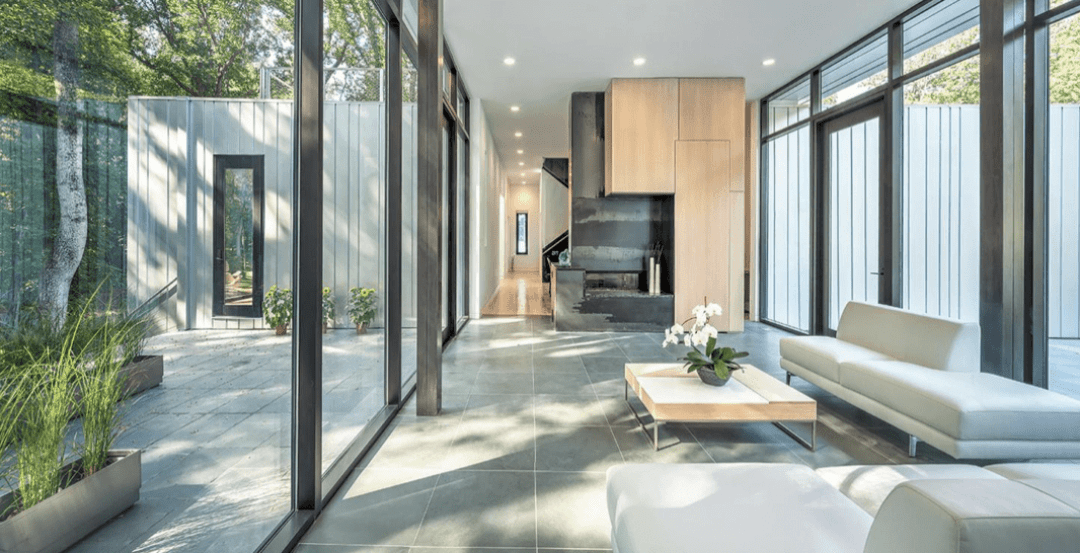
In places like Bozeman, where the landscape is as much a part of daily life as the home itself, the boundary between indoors and outdoors has become increasingly fluid. Homeowners are no longer content with simply viewing nature through a pane of glass. Instead, they are designing spaces that invite fresh air, natural light, and seasonal changes into everyday living.

This shift is not just aesthetic. It reflects a deeper desire for comfort, efficiency, and a closer connection to the environment.

The New Role of Windows in Everyday Living
Windows have always served a functional purpose, but in modern home design, they play a far more dynamic role. They frame views, regulate temperature, and influence how a space feels throughout the day.

In climates like Montana’s, where seasons are pronounced and conditions can shift quickly, windows must perform on multiple levels. They need to provide insulation during colder months while allowing ventilation when temperatures rise.

That balance often comes down to details that are easy to overlook. Homeowners who want to maximize airflow without compromising comfort are increasingly paying attention to the quality of their screens and window systems. Whether it’s upgrading worn-out fixtures or choosing solutions designed for durability and seasonal adaptability, working with providers like Michigan Screen & Window can make a meaningful difference in how a home functions year-round. Thoughtful choices at this level help ensure that fresh air and protection from the elements are not competing priorities, but complementary ones.

Designing for Airflow and Comfort
One of the defining features of homes in the Mountain West is the emphasis on airflow. Open windows, cross-breezes, and natural ventilation are not just preferences, they are part of how homes stay comfortable without relying excessively on mechanical systems.

Designers are increasingly incorporating window placements that encourage air movement throughout the home. This includes aligning openings to capture prevailing winds and using layered ventilation strategies that allow for subtle adjustments depending on the weather.

The result is a living space that feels responsive rather than static. On a cool morning, fresh air can move freely through the house. On a warmer afternoon, screens and shading elements help maintain comfort without shutting the outdoors out entirely.

Light as a Design Element

Image by Hsx333 on Freepik

Natural light has become one of the most valued features in residential design. Large windows, glass doors, and open layouts are all part of an effort to bring more daylight into interior spaces.

But light is not just about brightness. It shapes mood, defines spaces, and changes throughout the day in ways that artificial lighting cannot replicate.

In Bozeman, where the landscape shifts dramatically with the seasons, natural light also becomes a way of experiencing those changes from within the home. Snow-covered mornings, golden autumn afternoons, and long summer evenings all filter through windows in unique ways, creating a living environment that feels connected to its surroundings.

Energy Efficiency and Smart Design
While aesthetics and comfort are important, performance remains a key consideration. Energy efficiency is no longer an optional feature, it is a central aspect of modern home design.

According to the U.S. Department of Energy, windows can significantly impact a home’s energy use, particularly when it comes to heat loss and gain. Properly designed and maintained window systems can reduce energy consumption while improving indoor comfort.

This is where thoughtful upgrades and regular maintenance become essential. Sealing gaps, replacing damaged screens, and ensuring proper fit all contribute to better performance. Small improvements can lead to noticeable changes in both energy efficiency and day-to-day comfort.

Blurring the Line Between Indoors and Outdoors
One of the most noticeable trends in Bozeman homes is the intentional blending of indoor and outdoor spaces. Patios, decks, and transitional areas are designed to feel like extensions of the interior rather than separate zones.

Large sliding doors and expansive windows play a central role in this approach. When opened, they create a seamless transition that allows residents to move easily between spaces.

At the same time, screens and protective elements ensure that this openness does not come at the cost of comfort. Insects, debris, and sudden weather changes are part of life in Montana, and effective screening solutions help maintain the usability of these spaces.

Seasonal Adaptability
Living in Montana means designing for extremes. Winters can be long and cold, while summers bring warmth and extended daylight. Homes must be able to adapt to both ends of this spectrum.

During colder months, windows need to provide insulation and retain heat. In warmer seasons, they should allow for ventilation and airflow. This dual function requires materials and designs that can perform consistently over time.

Homeowners who invest in adaptable systems often find that their spaces feel more comfortable throughout the year. Instead of reacting to seasonal changes, the home is prepared for them.

The Value of Thoughtful Details
What sets well-designed homes apart is often not a single dramatic feature, but the accumulation of thoughtful details. A properly fitted screen, a well-placed window, or a carefully chosen material can all contribute to a better living experience.

These elements may not always be immediately visible, but they shape how a home feels on a daily basis. Comfort, efficiency, and connection to the outdoors are all influenced by decisions that happen at a granular level.

Modern living in places like Bozeman is defined by a desire to stay connected to the natural environment without sacrificing comfort. Homes are no longer seen as barriers between people and the outdoors, but as spaces that facilitate that connection.

Windows, screens, and airflow systems play a central role in this transformation. By focusing on both performance and design, homeowners can create environments that feel open, responsive, and aligned with the rhythms of the surrounding landscape.

In the end, letting the outdoors in is not just about architecture, it is about creating a way of living that reflects the place you call home.

Add a Comment »

How Transitional Life Phases Are Changing the Way People Think About Space


Photo by Galen Crout on Unsplash

Life rarely stays static for long. Moves, renovations, career shifts, and lifestyle changes all create periods where space needs to be managed differently. During these transitions, homes often feel either too full or not organized in a way that supports what comes next.

Instead of permanent solutions, people are increasingly looking for flexible ways to handle these in-between phases. The goal is not just to store belongings, but to create breathing room while decisions are being made. Whether downsizing, relocating, or simply reorganizing, managing space temporarily has become part of how people maintain balance during change.

This shift reflects a broader understanding that space is not only about where things are kept, but how environments adapt as life evolves.

Temporary Storage as a Tool for Flexibility
Short-term storage has become a practical solution during periods of transition. Rather than rushing decisions about what to keep or discard, people are using storage as a way to create time and flexibility.

This approach is especially useful during moves, home renovations, or major reorganizations. By removing items from immediate living areas, it becomes easier to focus on the space itself rather than everything inside it.

Many households turn to options like Top Storage to manage these transitions more smoothly, allowing them to maintain organization without making rushed or permanent decisions about their belongings.

Space Clarity Helps Decision-Making
Physical space has a direct impact on how people think and make decisions. When environments are crowded or disorganized, it becomes harder to evaluate what is actually needed.

Clearing space, even temporarily, creates a different perspective. Items can be reviewed more intentionally, without the pressure of immediate use or limited room.

This process often leads to better long-term decisions, as people are able to separate emotional attachment from practical necessity. Over time, this results in more organized and functional living environments.

Why Transitional Periods Feel More Overwhelming Than Expected
Periods of change often feel more stressful than anticipated, not just because of the decisions involved, but because of how those decisions interact with physical space.

When belongings are in constant flux, it can create a sense of instability within the home. Even small disruptions, boxes in hallways, crowded rooms, or temporary arrangements, can affect how comfortable a space feels.

The Psychology of Clutter and Control
Environmental psychology research has consistently shown that cluttered spaces can increase stress levels and reduce the ability to focus on tasks.

The American Psychological Association (APA) notes that disorganized environments can contribute to feelings of overwhelm, while more structured and organized spaces support better mental clarity and decision-making.

This connection explains why managing space during transitions is not just a practical concern, it also plays a role in maintaining a sense of control during periods of change.

Moving Without Immediate Pressure

Photo by HiveBoxx on Unsplash

One of the biggest challenges during relocation is the pressure to make quick decisions about belongings. Sorting everything at once can be overwhelming, especially when timelines are tight.

Using temporary storage reduces this pressure. It allows people to move in stages, focusing first on settling into a new space before deciding what should remain.

This staged approach creates a more manageable process. Instead of making rushed choices, individuals can take the time to evaluate their needs in a more stable environment.

Renovations and the Need for Clear Space
Home renovations often require more space than expected. Furniture, personal items, and everyday belongings must be moved out of the way to allow work to be completed efficiently.

Without proper planning, this can lead to cluttered and impractical living conditions during the renovation period. Temporary storage provides a solution by keeping items protected while freeing up space for work to proceed.

This not only improves the renovation process but also helps maintain a more comfortable living environment during construction.

Downsizing Without Rushing Decisions
Downsizing presents a unique challenge. It often involves reducing the number of belongings while adjusting to a smaller living space.

Making these decisions quickly can lead to regret, especially when items are discarded without enough consideration. Temporary storage offers a buffer, allowing people to transition gradually.

By holding onto items for a defined period, individuals can better assess what they truly need in their new environment. This leads to more intentional and satisfying outcomes.

Long-Term Organization Starts With Short-Term Solutions
While storage is often seen as a temporary measure, it can have long-term benefits. Creating space during transitional periods helps establish better organizational habits moving forward.

When items are reintroduced into a home after being stored, there is an opportunity to place them more intentionally. This results in spaces that are not only less cluttered but also more functional.

Over time, this process helps create environments that are easier to maintain and better aligned with everyday needs.

Adapting Spaces to Changing Lifestyles
As lifestyles continue to evolve, the way people use space is also changing. Homes are no longer static environments, they must adapt to new routines, priorities, and circumstances.

Flexible solutions like temporary storage support this adaptability. They allow spaces to change without requiring permanent or immediate decisions.

This approach reflects a broader shift toward more intentional living, where space is managed in a way that supports both current needs and future possibilities.

Add a Comment »

Elizabeth Burroughs appointed Montana State interim provost


BOZEMAN
— Montana State University announced today that Elizabeth Burroughs, head of the Department of Mathematical Sciences, has been appointed to serve as interim provost and executive vice president for academic affairs.

Burroughs will take over from Robert Mokwa, who is retiring from the provost’s office to return to a faculty role in the Department of Civil Engineering. Burroughs will begin in her interim position June 1.

“It is a privilege to serve the faculty and students at Montana State University, where together we shape the future of our state and nation through our scholarship and engagement with the world,” Burroughs said. “I am proud to be part of our land-grant mission because I believe in higher education as a public good.”

“Dr. Burroughs is an outstanding leader who has shown a deep commitment to student success, academic excellence and service to our state, and I am excited that she was willing to take on this important role for our university,” said MSU President Brock Tessman. “I look forward to working closely together to advance the academic success of our students and the excellence of our faculty and instructors.

“I also want to express my gratitude to Bob Mokwa for his exceptional leadership as provost and for his commitment to supporting a smooth and thoughtful transition process in the months ahead.”

Burroughs joined the MSU mathematics faculty in 2007 and has served as department head since 2016. Prior to MSU, she was an assistant professor at Humboldt State University.
Burroughs’ research focuses on mathematical modeling — the process of using math to represent, analyze and make predictions about real-world situations — in school classrooms. She also researches the connections between undergraduate mathematics courses and high school courses and the preparation and professional development of math teachers.

Over the course of her academic career, she has authored or co-authored dozens of peer-reviewed journal articles and book chapters and has spoken or presented at a wide range of conferences and professional seminars. She was a lead author for the Mathematical Association of America’s “Instructional Practices Guide” in 2018 and a member of the writing team for the Association of Mathematics Teacher Educators’ “Standards for Preparing Teachers of Mathematics” in 2017. More recently, she served as an editor for “An Aspirational Approach to the Mathematical Preparation of Teachers,” which was published in 2024.

Over her time at Montana State, Burroughs has served on committees focused on subjects such as degree persistence, orientation and conflict of interest. She has also chaired the Rocky Mountain section of the Mathematical Association of America and served on numerous other committees for the association and others.

She received the Women's Faculty Caucus Distinguished Mentor Award in 2019, which recognizes outstanding mentoring of junior women faculty members, and was named the recipient of the College of Letters and Science Meritorious Research Award in 2018. She was a provost's distinguished lecturer in 2017, and in 2014-15 was a Fulbright Scholar to the United Kingdom.

Her research has been funded several times by the National Science Foundation, including most recently a $1 million grant to conduct outreach and research community-based mathematical modeling practices with youth across Montana.

Burroughs earned her doctorate in mathematics from the University of New Mexico in 2003. She received a master's in mathematics from UNM in 1999 and bachelor's degrees in mathematics and English from the University of North Carolina at Chapel Hill in 1992. Prior to her doctoral studies, she worked as a high school mathematics teacher in Atlanta, Georgia.

Burroughs was born and raised in Maine. She lives in Bozeman with her husband. They have three sons.

Add a Comment »

How Natural Light Quietly Changes the Way a Home Feels and Functions

Photo by Roberto Nickson on Unsplash

The feeling of a home is often shaped long before furniture is arranged or decor is added. One of the most powerful influences is something many people take for granted, natural light. It determines how spaces feel throughout the day, how rooms are used, and even how energy flows through the home.

A dim space can feel closed off, no matter how well designed it is. On the other hand, a room filled with daylight often feels larger, more welcoming, and easier to spend time in. This is why more homeowners are paying closer attention to how light enters their homes and how it changes throughout the seasons.

Rather than focusing only on layout, there is a growing appreciation for how structural elements, especially windows, shape the overall experience of living in a space.

Light Exposure Shapes Daily Routines
Natural light does more than improve visibility. It subtly influences daily habits, from when people wake up to how productive they feel throughout the day. Spaces that receive consistent daylight often become the most frequently used areas of the home.

Morning light tends to energize, making it ideal for kitchens and workspaces. Softer afternoon light creates a more relaxed atmosphere, which suits living areas and bedrooms.

When light is limited, these patterns are disrupted. Rooms may feel underused or less comfortable, even if they are well designed. Adjusting how light enters a home can change how each space is experienced without altering its structure.

Window Design as a Functional Upgrade
Windows are not just visual features, they directly affect airflow, temperature, and energy efficiency. The size, placement, and type of window all influence how a home performs over time.

Homeowners looking to improve both comfort and efficiency often explore options like Evergreen Window to update outdated designs and introduce more natural light into their living spaces.

Well-designed windows allow for better light distribution while also supporting ventilation and insulation. This combination improves both the feel and functionality of a home without requiring major structural changes.

Energy Efficiency and Indoor Comfort
Modern window designs are increasingly focused on energy performance. Materials and construction methods have evolved to help regulate indoor temperatures more effectively.

High-quality windows can reduce heat loss in colder months and limit heat gain during warmer periods. This creates a more stable indoor environment and reduces reliance on heating and cooling systems.

The Relationship Between Light and Well-Being
The connection between natural light and well-being has been widely recognized, particularly in how it influences mood, energy levels, and daily routines. Spaces that receive consistent daylight tend to feel more comfortable and are often used more frequently, while darker environments can feel restrictive even when well designed.

Exposure to natural light plays a role in regulating internal rhythms, helping the body maintain a stable sleep-wake cycle and improving overall mental clarity. Research from the National Institutes of Health (NIH) has shown that regular exposure to daylight contributes to better sleep patterns, improved mood, and enhanced cognitive function. This reinforces the idea that window placement and light access are not merely aesthetic decisions but practical elements that directly support a healthier, more balanced living environment.

Making Smaller Spaces Feel Larger
One of the most noticeable effects of natural light is its ability to change how space is perceived. Even smaller rooms can feel more open when they receive consistent daylight.

Light reflects off surfaces, reducing shadows and creating a sense of depth. This makes spaces feel less confined and more comfortable to spend time in.

Strategic placement of windows can enhance this effect, allowing light to reach deeper into the home. This is especially useful in areas that might otherwise feel enclosed or underutilized.

Reducing Dependence on Artificial Lighting

Photo by Cat Han on Unsplash

Natural light also reduces the need for artificial lighting during the day. This not only lowers energy consumption but also creates a more natural and balanced environment.

Artificial lighting, while necessary, often lacks the variation and warmth of daylight. Relying less on it can improve both visual comfort and overall atmosphere.

Homes that are designed to maximize daylight tend to feel more dynamic, with light levels shifting naturally throughout the day.

Seasonal Changes and Light Adaptation
Light conditions change throughout the year, affecting how spaces are used. In some seasons, days are longer and brighter, while in others, natural light is more limited.

Adapting to these changes is part of maintaining a comfortable home environment. Window design, placement, and quality all influence how well a home responds to seasonal variation.

By optimizing light access, homeowners can create spaces that remain functional and inviting regardless of the time of year.

Long-Term Value of Light-Focused Upgrades
Investing in better light access is not just about immediate comfort, it also adds long-term value to a home. Properties that feel bright and open are often more appealing and easier to adapt to different needs.

Energy efficiency, improved usability, and enhanced visual appeal all contribute to this value. Over time, these factors can influence both how a home is experienced and how it is perceived in the market.

Focusing on natural light creates benefits that extend beyond aesthetics, shaping how a home supports everyday life in subtle but meaningful ways.

Add a Comment »

Monday, Mar. 30th, 2026

Downtown Bozeman Association Presents – The 6th Annual Downtown Bozeman Restaurant Week, April 27th – May 3rd

The Downtown Bozeman Association, Visit Bozeman, additional sponsors, and participating downtown restaurants, pubs, and cafes are excited to bring you the 6th Annual Downtown Bozeman Restaurant Week from April 27th – May 3rd! This 7-day event will be filled with good eats and drinks, off-menu specials, exclusive dining experiences, plus chances to win some fabulous prizes from our local sponsors!

Start planning your date night, birthday dinner, employee appreciation brunch, or whatever excuse you need to dine in Downtown Bozeman because our amazing businesses are ready to serve you! We will be raffling off incredible prizes via multiple-visit punch cards and social media contests; details to come.

A list of participating establishments for the 6th Annual Downtown Bozeman Restaurant Week as well as all the specials and fun to be found will be available online at https://downtownbozeman.org/restaurantweek soon - please stay tuned! Please note, event hours and specials will vary depending on the business.

Restaurant Week will be the week of April 27th – May 3rd, rain, snow, or shine, and is free and open to the public! Whether you're a breakfast fanatic or someone who never skips dessert, we're sure you'll find something to tickle your taste buds at Restaurant Week.


Thank you to our generous Sponsors!

Foodie: Carlisle, PRIME Incorporated, Visit Bozeman, High Country Media Consulting, 94.7 "The Moose", "XL Country" 100.7

Side-of-Fries: Bozeman Magazine, Element Bozeman, Fielding’s at the Kimpton Armory, KBZK, Lewis & Clark Motel, The Sapphire Motel

Cherry on Top: Lockhorn Cider House, The Wrap Agency

For more information, please visit https://downtownbozeman.org/restaurantweek or contact the Downtown Bozeman Partnership office at 406-586-4008.

Add a Comment »

News Comments