



Capturing Your Bozeman Adventures: A Guide to Documenting Mountain Life
Tuesday May. 12th, 2026
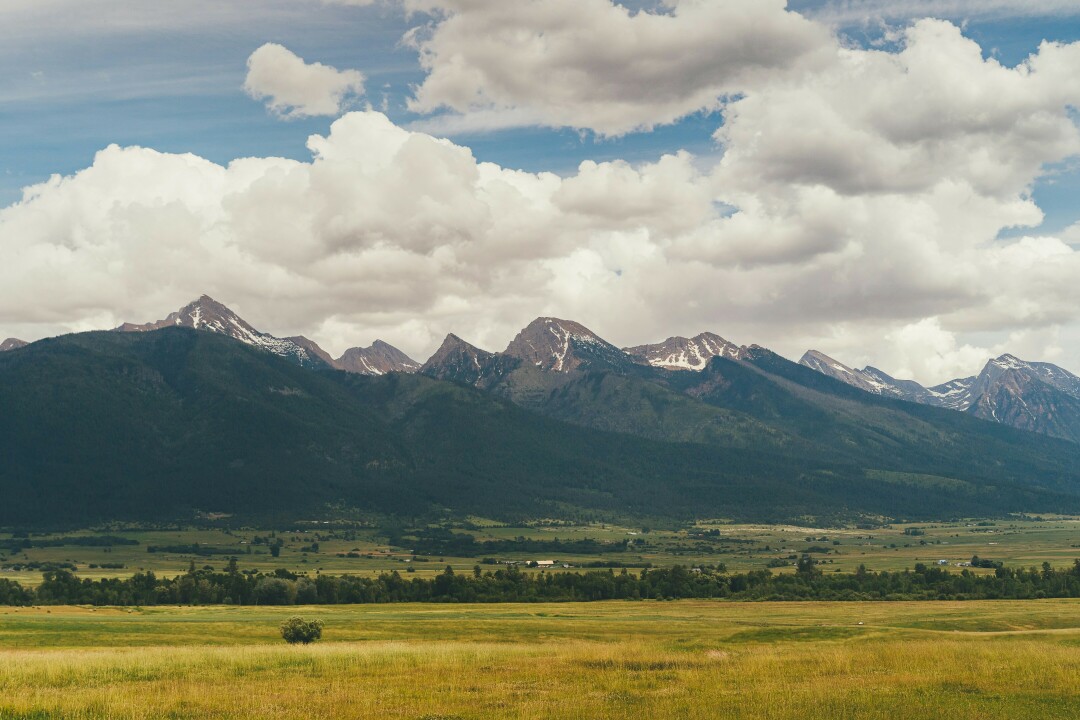
Bozeman's landscape demands to be shared. Whether you're summiting the Bridgers at sunrise, floating the Gallatin River, or catching live music at the Rialto, the moments that define life in the valley are worth preserving. Yet capturing these experiences authentically—without lugging professional equipment or spending hours in post-production—remains a challenge for most residents and visitors alike. The gap between what we see and what we can easily document has narrowed considerably in recent years, thanks to advances in portable camera technology that make high-quality video accessible to anyone willing to learn the basics.
For outdoor enthusiasts and casual documentarians alike, the question isn't whether to capture your adventures, but how to do it in a way that feels natural and unobtrusive. Modern action cameras and smartphone accessories have evolved far beyond the early days of grainy footage and limited angles. Today's tools offer stabilization, versatility, and intelligent features that let you focus on the experience rather than the mechanics of filming. Whether you're documenting a bike camera ride through the valley, a ski run at Bridger Bowl, or a quiet evening at a local brewery, the right equipment can transform how you preserve and share these moments.
The Evolution of Adventure Documentation
A decade ago, capturing quality video during outdoor activities meant choosing between bulky camcorders, limited smartphone footage, or expensive professional setups. Today's landscape is radically different. Compact action cameras have become standard gear for athletes, travelers, and outdoor enthusiasts. Smartphone accessories designed specifically for video stabilization have made mobile filmmaking accessible to anyone with a phone in their pocket.
This democratization of video technology has changed how communities like Bozeman document themselves. Local climbers, skiers, and mountain bikers now regularly produce content that rivals professionally shot material. The barrier to entry has dropped so significantly that the question is no longer "Can I make quality video?" but rather "What story do I want to tell?"
Choosing the Right Tool for Your Needs
Not every filming situation requires the same equipment. A casual hike demands something different than a technical ski descent or a fast-paced mountain bike ride. Understanding your primary use case helps narrow the field considerably.
For hands-free recording during high-motion activities, compact action cameras excel. They're designed to withstand impact, stabilize footage automatically, and mount securely to helmets, chest harnesses, or handlebars. For those who prefer keeping their smartphone as their primary device, gimbal accessories provide professional-level stabilization without requiring a separate camera system. These tools track movement intelligently and smooth out the jittery footage that typically results from handheld mobile recording.
The choice between dedicated cameras and smartphone accessories often comes down to lifestyle. If you're already carrying your phone everywhere, a stabilization accessory adds minimal bulk. If you're seeking a dedicated device built specifically for rugged environments, an action camera offers durability and specialized features that phones can't match.
Stabilization: The Game Changer
Shaky footage is the most common complaint among amateur videographers. Even slight camera movement becomes obvious when played back, making otherwise compelling moments feel amateurish. Modern stabilization technology has largely solved this problem through a combination of hardware and software.
Optical and electronic stabilization work together to counteract movement. Gimbals use motorized arms to keep the camera level regardless of how you're moving. Software-based stabilization analyzes footage in real time and makes micro-adjustments to smooth out vibration and jerky motion. The result is footage that looks intentional and professional, even when captured during genuinely chaotic moments like mountain biking or skiing.
This stabilization matters especially in Bozeman's terrain. The rough trails of the Bridgers, the variable snow conditions at local ski areas, and the unpredictable nature of outdoor adventure all create movement that would render unstabilized footage unwatchable. With modern stabilization, these challenging environments become opportunities rather than obstacles.
Audio and Perspective: Often Overlooked Elements
Video quality depends on more than just image stabilization. Audio captures the essence of an experience in ways that visuals alone cannot. The sound of wind on a ridge, the roar of the Gallatin River, or the ambient noise of a crowded downtown street all contribute to authentic documentation.
Most built-in camera microphones struggle in outdoor environments. Wind noise becomes overwhelming, and distant sounds disappear. External microphones designed for action cameras or smartphone accessories help capture cleaner audio without adding significant bulk or complexity.
Perspective matters equally. Wide-angle lenses capture expansive landscapes and immersive environments, while narrower focal lengths isolate subjects and create intimacy. Many modern cameras offer multiple lens options or software-based reframing that lets you adjust perspective during editing. This flexibility means you're not locked into a single visual approach when you're out capturing footage.
Editing and Sharing Your Story
Capturing footage is only half the process. Editing transforms raw material into a coherent narrative. Fortunately, modern editing software has become increasingly intuitive. Many cameras and accessories include companion apps that handle basic editing tasks automatically, using AI to identify highlights, synchronize audio, and apply transitions.
For those willing to invest more time, dedicated editing platforms offer granular control over every aspect of your footage. Color grading, sound mixing, and precise timing all become possible with relatively modest learning curves. The Bozeman community has embraced content creation enthusiastically, with local creators regularly sharing polished videos across social media platforms.
The key is recognizing that editing doesn't require professional expertise. Simple cuts, basic color correction, and thoughtful pacing can transform ordinary footage into something genuinely compelling. Many of Bozeman's most engaging local content comes from residents who've invested minimal time in learning editing fundamentals.
Building a Documentation Practice
The most successful content creators treat documentation as a habit rather than a special project. Carrying a camera or stabilization accessory becomes as routine as bringing water on a hike. This consistency builds skill naturally and ensures you're never caught without the ability to capture unexpected moments.
Start with simple projects. Document a familiar trail, a favorite restaurant, or a local event. Review your footage critically and identify what worked and what didn't. Gradually expand your ambitions as your comfort with the equipment grows. The learning curve is far less steep than it appears from the outside.
Bozeman's community thrives on authentic storytelling. Whether you're documenting personal adventures or contributing to the broader conversation about life in the valley, your perspective matters. The tools to share that perspective have never been more accessible.
Conclusion
Documenting life in Bozeman no longer requires expensive equipment or specialized expertise. Modern camera technology and stabilization tools have made quality video accessible to anyone willing to learn the basics. The mountains, rivers, and vibrant community around us deserve to be captured and shared. Your unique perspective on this place, preserved through thoughtful documentation, contributes to the ongoing story of what makes the valley special. Start simple, practice consistently, and let your adventures speak for themselves.
| Tweet |
