Thursday, Mar. 10th, 2022

Gallatin County Voters To Decide on Local Marijuana Taxes

Gallatin County voters will be asked to decide on two local-option marijuana taxes as part of this year’s primary election ballot.

On Tuesday, March 8, the Gallatin County Commission unanimously voted to add the following two questions to the June 7 ballot for Gallatin County voters’ consideration:

  • A 3% local-option sales tax on all non-medical (recreational) marijuana products sold in Gallatin County.
  • A 3% local-option sales tax on all medical marijuana products sold in Gallatin County.

In November 2020, Montana voters passed Initiative Measure 190, which allowed for the operation of various categories of marijuana businesses and taxation of marijuana retail sales in Montana counties in which a majority of voters approved the initiative. The initiative passed in Gallatin County with 65.6% of the vote.

State law does not allow county governments to impose similar taxes on any other product. The state already imposes a 20% tax on recreational marijuana and a 4% percent tax on medical marijuana.

“This is a really unique, brand-new feature in state law and that’s the reason we have this opportunity to even put this question in front of the voters,” said Gallatin County Commissioner Zach Brown. “We’re not making this decision on behalf of the voters. The voters get to weigh in.”

If voters in an eligible county pass a local-option marijuana tax, 50% of the tax must be retained by the county, 45% apportioned to the cities and towns in the county based on population, and the remaining 5% given to the Montana Department of Revenue to defray state costs associated with the tax.

State law allows counties or cities and towns that receive local-option sales tax revenue for any activity, undertaking or administrative service authorized by law, including costs resulting from the imposition of the tax.

If passed, the local-option taxes would go into effect on Oct. 1, 2022. Gallatin County Commissioners say that, if passed, they will use the county’s portion of the local taxes to fund mental health services.

Other Montana counties that have already asked voters to decide on similar local-option marijuana taxes include Yellowstone, Missoula, and Park counties. Lewis and Clark County has opted to also put questions on their June ballot. And Butte-Silver Bow is also considering the ballot questions as well.

Add a Comment »

5 Interesting Facts about Water Pollution


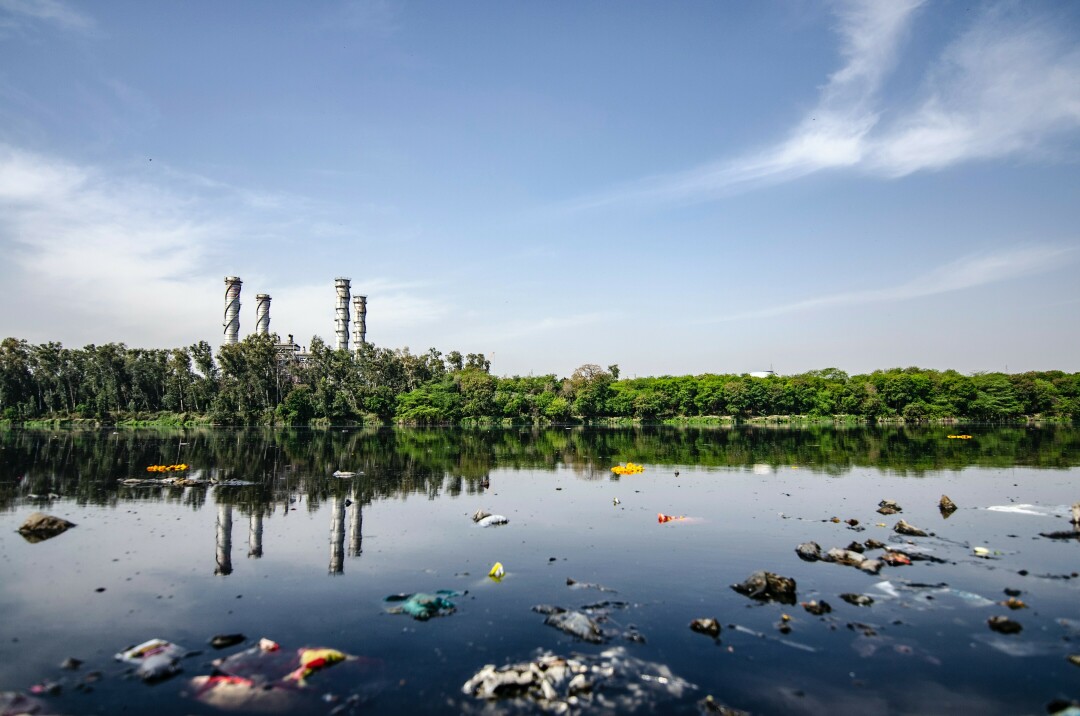
Over the past 100 years, human activity has led to increasingly severe environmental challenges related to water quality, quantity, and distribution. Water pollution is one of the most pressing global challenges facing us today. It's a widespread global problem that has been threatening human health, ecosystems, food chain and has put too many marine species on the brink of extinction. Freshwater is a fundamental necessity for humans and numerous types of life, however, just about 3 percent of the Earth's water is potable.

With limited access to fresh water and extensive contamination of freshwater, people in developing countries are tackling major challenges that threaten their health and well-being. The wastes from industrial and agricultural lands and sewage are one of the prime causes of water pollution. In the coming years, the freshwater crisis is likely to reach its peak causing havoc worldwide.

This article further elaborates on five facts about water pollution that everyone should be aware of. Because awareness is the first step to moving towards a solution. There are a lot of essay examples that you can check out to know about water pollution along with air pollution, land pollution, plastic pollution, thermal pollution, and so on.

Does Water Pollution Kill? 

The effects of water pollution are far-reaching to the extent of being lethal, damaging marine life and their habitats as well as putting human populations at risk. Every year, around 250 million who lack access to adequate sanitation facilities disproportionately suffer the consequences, including disease and death. Poor people are more prone to getting water-related diseases as they drink untreated water, which directly affects their health. In total, 2.5 billion people have no access to improved sanitation facilities.

“Dead Zones”

One of the major triggers of water pollution is eutrophication, which occurs after excessive levels of phosphorus and nitrogen enter the water from sources like agricultural runoff or sewage. The nutrient-rich water causes an overgrowth of algae, which then sinks to the ocean floor and decomposes, using up all of the oxygen in the water, sometimes creating low- or no-oxygen conditions (hypoxia and anoxia, respectively), making it hard for marine animals to survive, and ultimately causing large swaths of water to become uninhabitable. These are called dead zones.

Dead zones can also form when organisms in the water use up almost all the dissolved oxygen even before aquatic animals can consume it. Generally, this occurs either due to warmer water sitting on top of cold water or due to freshwater sitting on top of saltwater, e.g., the tidal mouth of a river. Due to less solidity, the top layer of water, in either case, floats, giving the layers little scope for blending. Thus, very little atmospheric oxygen can reach the lower water layers.

Whales and dolphins are extremely deep divers, diving to over 1,200 feet (405 meters) to find food. Unfortunately, there is little carbon dioxide in the air at that depth, and the animals are forced to use oxygen reserves in their muscles and take in gases that lead to nitrogen narcosis. These conditions may be dangerous for human divers as well.

Lakes and reservoirs are more prone to these dead zones than seabeds because they don’t have strong currents to redistribute the nutrients. There are about 415 dead zones worldwide identified by scientists, with the majority situating along the eastern coast of the US, Japan and the Korean Peninsula, and the coastlines of the Baltic States.

North America’s Lake Erie

Lake Erie in North America is among the many dead zones in the US. Fertilizers and other agricultural wastes strewn all over large farmlands get washed by rainfall and flow directly into the lake, acting as a fuel to massive algae bloom each year. These wastes make the water automatically toxic, making it harmful for more than 11 million people, whose drinking water comes from the lake. But more than that, the eutrophication caused by these wastes endanger the population of aquatic species in Lake Erie.

How many animals have already consumed plastic?

Research says that more than 200 species of animal, including whales, seals, fish, sharks, turtles, and birds, have already consumed plastic. Plastic is reported to kill around one million sea birds every year. Around 100,000 marine animals lose their lives due to plastic entanglement annually.

How many percent of garbage clogged the water?

Roughly 70% of garbage (mostly plastic), weighing around fourteen billion pounds that clog the ocean every year, sinks to the ocean floor and endangers marine life. These contaminated wastes include tons of solvents, heavy metals, toxic sludge, and other wastes.

Conclusion

With the rapidly deteriorating condition of the environment, it is crucial for young people, especially school, college, or university students, to learn thoroughly about the facts and causes of environmental pollution and spread awareness among others. Proper distribution of education is highly needed to achieve a fully aware society where everyone understands and values the importance of ecosystems and a healthy environment.


Add a Comment »

Alcohol Compliance Checks within City of Bozeman

In an ongoing effort to ensure businesses throughout Bozeman are not serving alcohol to persons under the age of 21, on March 8, 2022, Officers from the Bozeman Police Department conducted alcohol compliance checks at 16 local businesses. Out of the 16 businesses checked, 9 businesses refused to sell alcohol to an underage buyer while the remaining 7 sold alcoholic beverages to the underage buyer.

When asked by a business employee, the underage buyer presented an accurate, and lawful, form of identification that established they were under the age of 21.

Where violations occurred, the person responsible for the sale of alcohol was issued a misdemeanor citation for a violation of Montana Code Annotated 16-3-301 (Unlawful sale of an alcoholic beverage to a person under 21 years of age).

The following businesses were in full compliance:

CVS – 115 N 19th Ave.
Loaf n Jug – 1910 W Main St.
Albertsons – 200 S 23rd Ave
Rosauer’s – 3255 Technology Blvd.
Town Pump – 2607 W Main St.
Conoco – 5200 S Cottonwood
Town and Country – 1611 S 11th Ave.
Loaf n Jug - 717 W College St.
Thriftway Super Stop – 919 W College St.

The following businesses were out of compliance:

Casey’s Corner – 4135 Valley Commons Dr.
Safeway Fuel – 1801 W Main St.
Safeway Store – 1735 W Main St.
East Main Liquor – 1211 E Main St.
Joe’s Parkway – 903 W College St.
Cenex/Kagy Corner – 1809 S Tracy Ave.
Cenex/Zip Trip – 1210 E Main St.

These compliance checks were conducted as part of an overall strategy to prevent and reduce underage drinking and improve our overall community environment as it relates to

alcohol. We would like to thank the employees and businesses who continue their efforts to combat underage drinking in the Bozeman area.

Since January 1, 2022, the Bozeman Police Department has made over 52 arrests for driving under the influence of alcohol and routinely responds to traffic crashes, physical assaults, and other property-related crimes due in part to the consumption of alcoholic beverages.

If you, or someone who know, are suffering from alcohol or substance abuse, help is available by contacting the Montana Department of Health and Human Services at 1-888- 866-0328 or online at: https://dphhs.mt.gov/schoolhealth/wellnessandprevention/substanceabuseprevention

Add a Comment »

Record Utah chub caught at Canyon Ferry Reservoir


Steve Hagen of East Helena reeled in a record Utah chub on March 7 from Canyon Ferry Reservoir. The fish weighed in at 2.39 pounds and measured 15.9 inches in length and 10.4 inches in girth. The previous record Utah chub, caught at Canyon Ferry in 1992, weighed 1.81 pounds.

Hagen’s catch adds to the list of Montana record fish caught in the last year and a half including a walleye, a chinook salmon, a smallmouth bass, a yellow bullhead, a brown trout, a longnose sucker, and a largemouth.

With a total of 91 native and introduced fish species found in Montana, interest in fish records has increased in recent years. Montana Fish, Wildlife & Parks maintains the list of record fish, and it is available on FWP’s website at https://fwp.mt.gov/fish/anglingData/records.

Anglers who think they caught a state record fish should keep the following things in mind:

• To prevent loss of weight, do not clean or freeze the fish. Keep the fish cool — preferably on ice.

• Take a picture of the fish.

• The fish must be weighed on a certified scale (found in grocery stores or hardware stores, etc.) and witnessed by a store employee or other observer. Obtain a weight receipt and an affidavit from the store personnel if no FWP official is present.

• Measure the length and girth.

• Contact the nearest FWP office to have the fish positively identified by a fisheries biologist.

Add a Comment »

Wednesday, Mar. 9th, 2022

Smallmouth bass found in Gardner River

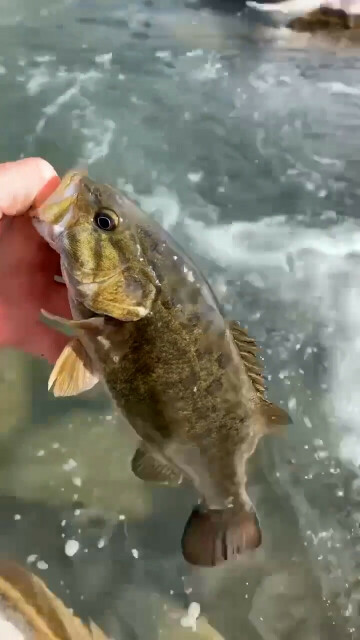
GARDINER – An angler caught a smallmouth bass on Feb. 19 while fishing on the Gardner River at its confluence with the Yellowstone River, just outside of Yellowstone National Park.

Smallmouth bass are not native to this area, and an established population could pose threats to native fish in the upper Yellowstone River and others.

How the bass arrived at this location is unknown. It is illegal for people to move live fish from one waterbody to another without prior authorization from Montana Fish, Wildlife & Parks.

Anglers have previously reported finding smallmouth bass in two locations on the upper Yellowstone River in the past seven years: Two smallmouth bass were caught at the Highway 89 bridge downstream of Livingston, and one near Emigrant. One smallmouth bass has also been found in the Shields River, a tributary to the Yellowstone east of Livingston.

FWP fisheries staff have not found smallmouth bass during yearly sampling efforts in the upper Yellowstone River.

One of FWP’s primary management goals in this area is to protect native Yellowstone cutthroat trout, which spawn in the tributaries and upper reaches of the Yellowstone River. An established population of invasive smallmouth bass could occupy the same areas, preying on and displacing trout and other native fish.

Anglers are the primary means of managing smallmouth bass where needed. FWP staff are preparing a proposed emergency rule for the Fish and Wildlife Commission to consider, which could require anglers to kill and report any smallmouth bass caught in the upper Yellowstone River.

Until any proposed rules can be implemented, anglers are asked to voluntarily kill, remove and document any smallmouth bass caught in the Yellowstone River and its tributaries between the Springdale Fishing Access Site east of Livingston upstream to the Yellowstone National Park boundary and provide them to FWP for testing.

Add a Comment »

Mountain lion season structure proposal out for comment; online informational meetings planned

HELENA – At its Feb. 4 meeting, the Fish and Wildlife Commission identified a new season structure for mountain lions and asked Montana Fish, Wildlife & Parks to solicit public comment on specifics of the proposal. The proposal is out for comment through March 18, and FWP has scheduled two online meetings to provide information and answer questions. The Zoom meetings will be held on March 14 and 15, from 6 to 8 p.m.

This season structure under consideration would allocate harvest between unlimited licenses that will end when a quota is reached and special limited licenses. The special limited license would allow a hunter to hunt throughout the season without limitation by quota.

Add a Comment »

Monday, Mar. 7th, 2022

MSU named a top three Military Friendly School in nationwide ranking


BOZEMAN
— In recognition of its efforts to help student veterans succeed, Montana State University has been named a Top Ten Military Friendly School by the website MilitaryFriendly.com, ranking third in the nation among peer institutions.

The honor is MSU’s highest ever from the organization. It comes after MSU was ranked ninth last year, earned a gold ranking in 2020, and earned a silver ranking in 2016. Now in its 21st year, the Military Friendly Schools list is considered one of the premier nationwide rankings that veterans and their families look to when considering higher education, according to Joseph Schumacher, director of MSU Veteran Services.

Schumacher said ranking No. 3 in the nation this year is a testament to a “huge team effort” at Montana State to provide support and resources to student veterans.

“There are so many gems on our campus – so many people and programs doing incredible things,” Schumacher said. “Once we connect students with these resources, and they utilize them, we see success.”

Institutions earning the Military Friendly School designation were evaluated using both public data sources and survey information universities submitted. More than 1,800 schools participated in the 2022-23 survey, and 665 schools earned a designation as gold, silver or bronze.

The level of the awards – whether Top 10, gold, silver or bronze – was determined by universities’ survey results and their ability to meet benchmarks for keeping students in school, graduation rates, job placement and rates of loan repayment and default for all students and, specifically, student veterans. 

MSU Veteran Services offers multiple ways to help student veterans succeed. Among them are a veteran mentor program; a dedicated veteran counselor who, in partnership with MSU Counseling and Psychological Services, offers free and confidential counseling to veteran students; emergency transition services, including assistance with housing, childcare and food security; and free tutoring and advising.

In November, MSU celebrated the opening of its new Travis W. Atkins Veteran Support Center in the repurposed Romney Hall. The new facility is more than three times as large as the previous location and provides dedicated space in the heart of the Montana State campus along with trained staff to help veteran students.

Schumacher called the new space a “huge commitment” from MSU and the state of Montana. The Travis W. Atkins Veteran Support Center, as part of extensive renovations to Romney Hall, was made possible by $25 million in funding from the Montana Legislature and private donations, including $1 million from the Gianforte Family Foundation.

“Here at MSU you see the words ‘military friendly’ put into action through the allocation of resources and prioritization of services to help veteran students succeed,” Schumacher said. “We are grateful to the university and to the state of Montana for the new Travis Atkins Veteran Support Center and for seeing this service to student veterans as valuable and important.”

In addition, Schumacher said that MSU President Waded Cruzado’s longstanding commitment to student veterans is notable.

“From the moment she arrived on campus, President Cruzado advocated for additional resources and space for the growing student veteran population,” Schumacher said. “We would not have the Travis W. Atkins Veteran Support Center without her leadership and support.”

Schumacher added that the team at MSU is excited about its work with student veterans, and the ranking from MilitaryFriendly.com is a great way to bring attention to that work.

“We hope folks see this as an opportunity to come here and be part of our community,” he said.

Add a Comment »

Thursday, Mar. 3rd, 2022

Best Passive Income Ideas For 2022


Passive income streams, unlike side hustles, are a great way to invest little time and effort and the beginning and then allow your products or services to continue making money for you. Passive income streams have gained importance over the past 2 years since most people struggled with the worldwide economic crises due to Covid-19 in 2020 and 2021. Passive income is an excellent way to tide over the time if you suddenly become unemployed or have to take a cut on your paycheck per month. If you have a steady source of income, adding a passive income on the side can help you increase your earnings (leading to higher savings). Irrespective, having a passive income gives you additional security during harsh times when the overall income is low.

Most people start a passive income to sweeten their retirement plans, buy a house or real estate investment, and other such goals. If you consider moving to a country like the US or Canada, you could transfer the funds from the passive income streams and efficiently prepare for your fresh start. To immigrate, it is best to gain expert guidance from Canadian Immigration Total Law and get the paperwork started. Having the funds, paperwork, immigration documentation, and legalities taken care of beforehand would be a massive help in the future.

Without further ado, let us look at some of the best passive income ideas for 2022. You should remember this list is not exhaustive, and several other options are available. However, it is ideal to do your research before jumping in.

Short Term Home Rental:
If you have rooms to spare in your current house or any other property, you could think of renting out the home for short periods. With tourism opening up again, most families and large groups prefer home-stay and holiday home rental options to large resorts and hotels. This shift is mainly a means to stay safe while traveling and avoid close contact with too many people.

The best way to start a short-term home rental is to get the house painted and fixed, get the assistance of a housing disrepair solicitor to help with the legalities, and add a few new décor touches. Once the house is ready, there are several reputable, popular online listings to list the pictures and rent of your holiday home. Doing this will take minimal effort and is primarily a one-time investment. As you lease your home for short-term rentals, the money will get added directly to your bank account.

Create an Online Course:
Creating an online tutorial, written, or video course is another popular passive income idea. Skill-based courses listed on popular sites tend to rake in a lot of money.
If you have a skill or two or language experience and can make video tutorials, you can relax and let the money flow. There is the initial investment of time (while making the course), but once it becomes popular and gets good reviews, the online sites pay you per person signing on to learn. You can also market the course (with links) on your social media sites and ask friends and family members to share the course to gain some recognition.

Sell Photographs Online:
If you have a ton of photos or like to make images from online sites, you could sell them to Getty Images or Shutterstock. Once you are approved by the respective platforms, you will have to license your images. The licensing helps by ensuring you get a cut from whoever downloads the photographs. These online photography platforms will pay you each time someone downloads the pictures you have posted.

You will need to ensure the photos are of good quality and cater to a specific audience. Since most users will be paying for them, the emphasis should be on excellent quality photography. By licensing the images, you can scale your new passive income to include several other photos too.

Create an App:
While creating an app sounds like a complicated process, there are several ways to get it made for you and not pay too much for it. Posting the app on Google Play and App Stores with in-app purchases will help the passive income keep rolling without you having to interfere in it much.

Once the apps gain popularity, you could use the income to create newer ventures, apps, designs, games, and more. The only downside to app-making is that the market is already quite saturated, and to make a reasonably good amount, you would need to have some unique app ideas.

Add a Comment »

Wednesday, Mar. 2nd, 2022

Gallatin County Seeking Feedback on Greater Triangle Area Transportation Plan Recommendations

Gallatin County has identified areas of concern and developed preliminary recommendations for the Greater Triangle Area Transportation Plan. The greater triangle area generally lies between Four Corners, Belgrade, and Bozeman and extends south to Gallatin Gateway. It includes the areas of Gallatin County where development is likely to occur in the future. Over 80 recommendations have been developed to address identified areas of concern and improve the transportation system over the 20-year planning horizon. The preliminary recommendations were identified through previous public involvement efforts in May and June of 2021 as well as a detailed analysis of existing and projected conditions. Recommendations consist of roadway facility upgrades to accommodate existing and future travel demands as well as non-motorized facility upgrades to improve connectivity and mobility.

The county is hosting an online open house to provide information to interested parties about the identified areas of concern and gather feedback on the preliminary recommendations. Due to health and safety concerns, the open house will be hosted virtually on the plan website with a variety of interactive content. The open house will be active for 30 days. Please participate at your convenience.

WHAT: Greater Triangle Area Online Public Open House

WHEN: March 1, 2022 – April 1, 2022

WHERE: www.triangletransportationplan.com/publicmeeting2

​In addition to the virtual open house, the county will also host a live virtual presentation on March 15. The draft Greater Triangle Area Transportation Plan will be released at that time. The presentation will briefly cover the contents of the plan, provide an overview of the identified recommendations, and offer an opportunity for public comment. The presentation will be recorded and posted to the plan website for those who are unable to attend live.

WHAT: Greater Triangle Area Virtual Presentation

WHEN: March 15, 2022 at 12 PM

TO REGISTER: www.triangletransportationplan.com/publicmeeting2

Pre-registration is required to attend.

Community input is a very important part of the process. The public is encouraged to participate in the open house and attend the virtual presentation to share their concerns, thoughts, and ideas with the project team. This study is intended to be a collaborative effort between the county, stakeholders, and the public. As such, all input gathered from the open house will be considered by the planning team and be used to refine the recommendations and the overarching Greater Triangle Area Transportation Plan.

Comments can be submitted at any time to the project manager, Scott Randall, via email at srandall@rpa-hln.com, by phone at 406-447-5005, or by mail at 3147 Saddle Drive, Helena, MT 59601. For more information about the project, visit www.triangletransportationplan.com.

Add a Comment »

Montana Society of Engineers seeks nominations for engineering hall of fame

BOZEMAN — The Montana Society of Engineers is once again inviting nominations for the Montana Professional Engineers Hall of Fame, which celebrates outstanding contributions to the engineering profession and to the public welfare of Montana.

Recipients are honored with a commemorative plaque residing at Montana State University in Roberts Hall, the original home of the MSU's Norm Asbjornson College of Engineering. Active, retired or deceased engineers are eligible for the award, which is traditionally given annually at the Joint Engineers Banquet in November. Nominations will be accepted through March 31.

According to Dan McCauley, who was inducted in 2017 and is a Montana Society of Engineers volunteer who coordinates the selection process, there are many Montana engineers who are worthy of the award, and the Montana Society of Engineers needs help finding them.

Last year's recipient was Robert Peccia, who earned his bachelor’s in civil engineering from MSU in 1965 and went on to design an innovative municipal drinking water treatment system for the town of Fort Benton, among other projects. In 2020 the honoree was William Wenzel, who led an accomplished civil engineering career based in Great Falls. The prior year, the inductees were Albert Kersich, a Red Lodge native who helped design MSU's Brick Breeden Fieldhouse, and John Morrison Jr., a Helena native who led one of Montana's largest civil engineering firms as it took on major projects overseas. McCauley, who earned his bachelor's in civil engineering at MSU in 1980, was honored for contributing to projects such as wastewater treatment plants and bridges in dozens of Montana communities.

Since the award was first given in 2002, about half the recipients have had a connection to MSU, McCauley noted. But the only requirements are that nominees have been professionally licensed in Montana and have had a direct impact on the state.

The Montana Professional Engineers Hall of Fame, which currently includes 24 honorees, was created by the late Doug Brekke to celebrate engineers who have dedicated their knowledge and skill to bettering society. Brekke, a Montana native who lived in Big Timber when he died in 2017, earned a bachelor's in electrical engineering from MSU in 1987 and founded an electronics business called Black Box Design.

The nomination form and additional information can be found at mtengineers.org/montana-pe-hall-of-fame.

Add a Comment »

News Comments