Wednesday, Sep. 27th, 2017

Dinner’s On the Co-op at the Community Café

The Community Food Co-op invites you to dine at the Community Café on Monday, October 2 from 5-8 pm, where Co-op Guest Chef Kelly Walunis will prepare a special Indian inspired menu featuring local Montana ingredients to help generate revenue for the Community Café.
 
The menu will feature pork from locally-raised hogs purchased by the Co-op at the Junior Livestock Market Sale. The hogs were raised by Lane and Sage Smart and Samantha Draeger. Two of the hogs came from the Smart boys, who raised their animals without feed-grade antibiotics or growth hormones. The hogs had regular walks, a cozy shelter and a big mud bath. Earning from the sale will go towards their college savings.

The Co-op is proud to partner on this event with Pioneer Meats of Big Timber, who graciously processed the animals free of charge. The hogs yielded over 300 pounds of meat. Whatever is not used during the dinner will be donated to the Community Cafe for future meals.
 
Proceeds from the event will go directly to the Community Café, Bozeman’s only pay-what-you-can restaurant. This will be the second year in a row the Co-op and Pioneer Meats have partnered to serve a meal at the Community Café. Last year, the event helped generate over $4,000.
 
“The Café welcomes everyone from the community to enjoy a delicious, locally sourced dinner,” says Chelsea Eddy, Front of House Manager for the Community Café. “What makes it special is the unique payment model that provides an affordable and accessible meal for everyone.”
“As a community owned business, giving back is vitally important to us,” explains Alison Germain, the Co-op Marketing and Membership Manager. “It’s something we’ve always done, to the tune of about $60,000 a year.”

The Community Cafe is located at 302 North 7th Avenue in Bozeman. For those who can’t attend the Co-op’s Guest Chef event at the Community Cafe, donations can be made online, with the goal to raise $1,500 by October 2.

###

The Community Cafe is part of the HRDC’s Emergency Food and Nutrition Initiative, working to improve food security in Southwest Montana. The Café was founded when an increase in families needing emergency food boxes was observed at the Gallatin Valley Food Bank. The HRDC was established in 1975 and serves Gallatin, Park, and Meagher Counties in southwest Montana.  HRDC is a non-profit community action agency, dedicated to strengthening community and advancing the quality of people’s lives. 

Add a Comment »

Tuesday, Sep. 26th, 2017

GVLT and Leep Family Conserve 321 Acres of Agricultural Open Space

The Gallatin Valley Land Trust and the Leep family have finalized a conservation easement on 321 acres of open land in the Amsterdam/ Churchill area west of Bozeman.  This is the third conservation easement GVLT has completed with the Leep family, limiting the division and development on the land in perpetuity. This conservation easement will ensure the Leep family’s highly developable land remains viable for agriculture and will protect the scenic views and wildlife habitat that open land offers in our rapidly growing Gallatin Valley.

The Leep family has been farming in the Gallatin Valley since the 1920’s.  Sherwin and Greg Leep grow wheat and alfalfa hay with three of their adult sons. The property is situated in a quickly growing area in an un-zoned part of the county, less than four miles from Four Corners and less than 5 miles from Belgrade.  While the property sits near a growing community, it is also an important puzzle piece in a larger conservation effort, stitching together four other GVLT conserved properties creating a block of 2,000 conserved acres in agricultural production. While the property could easily hold hundreds of homes, Sherwin Leep believes the land’s best and most productive use is agriculture. “It is special. I would say that this is some of the best farmland in the valley. It is located beautifully. It is close to the Gallatin River corridor so there are some wildlife components to it. There are a lot of compelling reasons that this ground should never grow houses. It should stay in agriculture.” The Natural Resource Conservation Service agrees; they designated the property as having 100% agriculturally significant soils, 96% of which were considered prime soils for farming.

The Leep family is committed to farming in this area. They’ve used the funds from the purchase of conservation easements to reinvest in more agricultural land in the area. This conservation easement was funded in part by the Gallatin County Open Lands Program and the NRCS Regional Conservation Partnership Program (RCPP).  These local and federal dollars make a conservation easement, which reduces the value of the land significantly, a viable financial option for farming families like the Leep family. It allows them to continue their legacy of farming while protecting the wide open spaces of our Montana landscape.

As Belgrade and Four Corners grow west, many farmers in the Amsterdam and Churchill area are using voluntary conservation easements in partnership with GVLT to protect large blocks of land, ensuring viability for traditional family farming operations far into the future. Landowners, GVLT, and taxpayer funded Gallatin County Open Lands Program are making a strategic effort to keep certain parts of our valley from being fragmented into small parcels as the area experiences unprecedented growth. This fragmentation makes it much harder to farm, both logistically and economically, and reduces the wildlife habitat and scenic quality of the entire landscape. Taxpayers have invested $20 million in the Gallatin County Open Lands Program since 2001 and have succeeded in protecting 50,000 acres on over 50 properties concentrated in strategic areas of highly developable open land in the valley.  Taxpayers have also successfully leveraged federal and private dollars to match their local investment at a rate of 5 to 1. The Leep family’s 321 acres is an exciting and important addition to a growing list of nearby projects, within 5 miles of 14 other Open Lands Program funded projects. With the last remaining dollars in the Open Lands Program allocated and development showing no signs of slowing, GVLT, partners, and landowners like Sherwin Leep are aware that time is of the essence and we must try now to reinvest in our valley’s future.  “I think it is really important that some of these properties are conserved now because this is the time. We better do it now because they won’t be here 50 years from now. It’s important.”

What is a conservation easement? The Gallatin Valley Land Trust (GVLT) partners with private landowners to conserve working farms and ranches, fish and wildlife habitat, open lands and scenic views.  To protect these special places, GVLT uses conservation easements, which are voluntary agreements with landowners that limit development on a property while keeping it in private ownership.  Each easement is tailored to the specific property and runs with the title of the land in perpetuity. GVLT is responsible for upholding the easement’s terms.  Because a conservation easement limits development rights and therefore decreases the value of the land, landowners may be eligible to write off the difference as a charitable donation. In some cases, landowners receive financial compensation for a portion of the value of the conservation easement.  The public benefits from the protection of conservation values such as prime agricultural soils, wildlife habitat, river corridors and the overall character of our region.

About Gallatin Valley Land Trust
Gallatin Valley Land Trust connects people, communities, and open lands through conservation of working farms and ranches, healthy rivers, and wildlife habitat, and the creation of trails in the Montana headwaters of the Missouri and Upper Yellowstone Rivers. For more information, visit www.gvlt.org.

Add a Comment »

Friday, Sep. 22nd, 2017

Copper City Trails Opening - National Public Lands Day


Come celebrate phase one of the Southwest Montana Mountain Bike Association’s (SWMMBA) Copper City Trails project on September 30, 2017, National Public Lands Day. Join SWMMBA, REI and the Montana Conservation Corps for a day of trail work, children’s activities, a BBQ lunch, and the opening of the first segment of trail at Copper City, near Three Forks. Trail work begins at 9am, lunch is at 12pm, and the trail opening / first ride is at 1pm.

After years of hard work and planning, this exciting new trail project on public Bureau of Land Management land will open phase one to the public after a morning of community volunteer trail work, an accomplishment worth celebrating!

REI, SWMMBA, and other sponsors will provide a BBQ lunch and non-alcoholic beverages for volunteers. Volunteers will also have the opportunity to ride the first section of completed trail and preview the next phase of this community-centered project.

SWMMBA will have limited-edition Copper City hats and t-shirts for sale to raise funds for the next phases of trail construction. Visit southwestmontanamba.org or our Facebook page for more information.

Directions

Copper City Trails, Copper City Road, off of US 187, north of exit 274 from I-90. Look for Copper City Road just north of the horse sculptures. It is on the right (east), right where the four-lane passing zone merges back to two lanes.

Add a Comment »

Thursday, Sep. 21st, 2017

Colt James Ranches Introduces “Chop Sticks” to the West

Colt James Ranches has launched a Kickstarter campaign for the world’s first gourmet Wagyu beef stick. An idea born out of the belief that the fine flavors of Wagyu shouldn’t be limited to the dinner table, these grab-and-go beef sticks offer a high protein snack that packs a punch when it comes to both flavor and quality; Colt James Ranches refuses to compromise one for the other.

That’s because Colt James Ranches believes in the best. Best methods, best cattle, and ultimately best taste. This small batch operation offers a new take on something old, calling upon sustainable practices to create a high-quality, one-of-a-kind product.


Colt James Ranches distinguishes itself from other Wagyu ranches by employing a holistic management approach that paves the way for a brighter, more socially responsible future for ranching and cattle rearing. Their innovate approach provides a product that leaves no unanswered questions about source, content, or quality. This gifts consumers a simple, straightforward ingredient list and full transparency about where their food is coming from. The end product is a beef stick that is nutritious, distinct, and delectable, and that underscores the importance of connecting land and food.

For Colt James Ranches, achieving that robust Montana flavor that defines their product begins with the methods. As a 5th generation Montana rancher, founder Colter DeVries is no stranger to the ways of ranching. He is carving out a niche for himself in a state dominated by ranching by taking a new approach that focuses on sustainability and ethicality, striking a perfect balance between what’s best for his cattle and what’s best for his consumers.

With Chop Sticks, Colt James Ranches certainly seems to have found what’s best. There are plenty of beef sticks on the market. Chop Sticks distinguishes itself as a cut above the rest by pairing better-than-USDA Prime Wagyu beef with fresh herbs and spices that deliver the taste of the West you’d only expect from the finest cut of meat. Available in three different flavors and packed with 7 grams of protein and essential fatty acids, this product is designed not only to please, but to nourish.

Colt James Ranches’ Chop Sticks are available to order on their Kickstarter page now.

For more information about Colt James Ranches, please visit www.coltjamesranches.com.

Add a Comment »

Tuesday, Sep. 19th, 2017

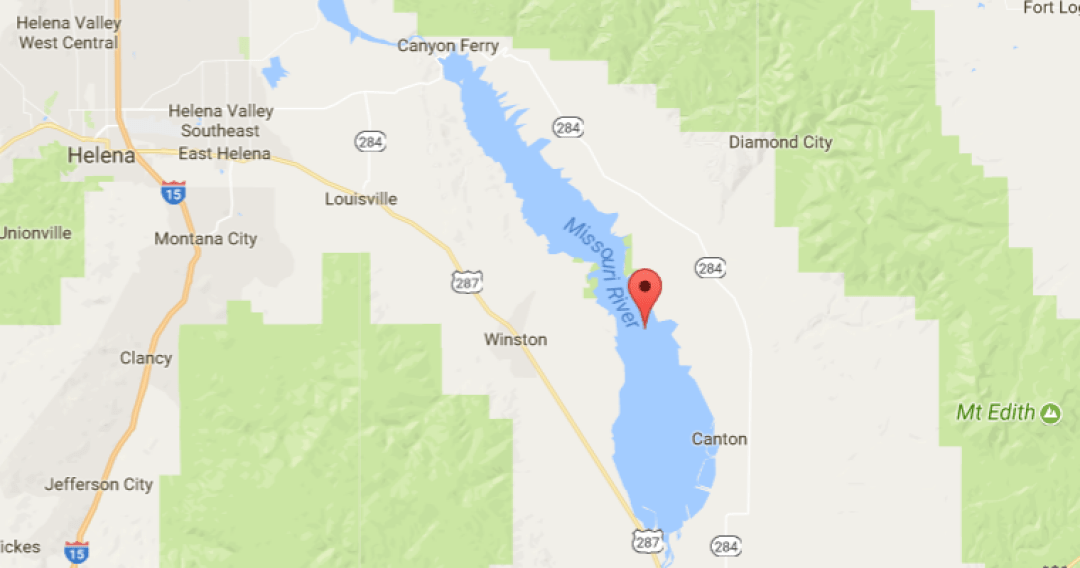
Waterfowl hunters: Water Levels in Pond 3 of Canyon Ferry

Waterfowl hunters intending to hunt on the Canyon Ferry WMA (CFWMA) near Townsend this fall are reminded that water levels in Pond 3 will be quite low due to a management-action water drawdown. As a result, the boat ramp on Pond 3 will not be usable.
 
Approximately two-thirds of the surface area of Pond 3 is currently dry, and water levels in Pond 3 will continue to drop through the fall.
 
In addition, water levels in the CFWMA’s other ponds may be below desired levels at least for the youth waterfowl opener this weekend and possibly the first part of the general waterfowl season because of this summer’s drought conditions.
 
Montana's two-day youth hunt Sept. 23-24 for waterfowl (ducks, geese, coots, mergansers) and ring-necked pheasants is open to:
·         legally licensed 12-15-year-olds who have completed hunter education and who are accompanied by a non-hunting adult at least 18 years of age,
·         properly certified and legally licensed apprentice hunters 10-15 years of age who are accompanied by a non-hunting adult "mentor" at least 21 years of age.
 
All regulations apply. The CFWMA is an exception—only to the youth waterfowl season shooting hours—they will be one-half hour before sunrise to noon.
 
Remember, all hunters must ask first to gain permission to hunt on private land. Montana's general waterfowl hunting season opens Sept. 30 for most species and Oct. 7 for pheasants.
 
For more information, visit FWP's website at fwp.mt.gov. Click "Hunting" then click "Youth Opportunities."

Add a Comment »

Clancy’s research suggests amphibians may help declining fish populations


Frogs, toads and salamanders often fall through the cracks of scientific study, but according to recently published research from Montana State University, they play a role so important they should be incorporated into strategies for conserving freshwater fisheries.

In his first peer-reviewed paper as sole author, Niall Clancy, 22, said that native fish populations continue to decline around the world despite advances in management practices. Therefore, fisheries managers might want to add new approaches to the old.

Clancy is a 2017 graduate from the Department of Ecology in MSU's College of Letters and Science. His paper, “Can Amphibians Help Conserve Native Fishes?” was published in Fisheries, a monthly journal of the American Fisheries Society, the oldest and largest professional society representing fisheries scientists.

"A complementary suite of techniques and approaches is needed if management is to prevent further losses," Clancy said. "One such complementary approach is the preservation of organisms that maintain ecosystem processes and functions."

Amphibians -- those cold blooded creatures that need both land and water to complete their lifecycles -- are such organisms, Clancy said.

Wildlife biologists tend to overlook amphibians because they aren't fully terrestrial, Clancy said. Fisheries experts do the same because amphibians aren't fully aquatic. But in many flowing and standing waters, young frogs, toads and salamanders are the dominant vertebrates. They change water chemistry, redistribute nutrients and alter the habitat for fish and other aquatic organisms.

Clancy noted that the amphibians in his study can be both predator and prey. Bullfrogs eat young fish and fish eggs, for example. Fish eat tadpoles. Salamanders tend to be carnivores, while tadpoles are generally herbivores. Both affect their environment, but in different ways.


The actions of freshwater fisheries managers would be most effective where amphibian populations abound, Clancy said. To preserve or boost those populations, he suggested that managers remove invasive fish from lakes and streams and stop stocking hatchery fish in lakes that don't normally contain fish. Additionally, they could record the types and numbers of amphibians they encounter while conducting fieldwork.

When land is involved, fisheries managers might take on an advisory role, Clancy said. They could suggest limiting human activity where amphibians live in large numbers. They might encourage riparian buffer zones, the reduction of pesticide application near water, and maintaining or improving microhabitats that are important to amphibians. Among those microhabitats are rotting logs, leaves, dense tree stands and wetlands.

"Fisheries management plans that incorporate amphibians will likely be beneficial for much of the aquatic community," Clancy said.

His paper focused on two categories of amphibians -- one being toads and frogs and the other being salamanders. A third group, called Caecilians, is not found in North America, Clancy said. Caecilians are wormlike amphibians that live mostly underground in the wet tropical regions of South and Central America, Africa and southern Asia.

Clancy said his exposure to amphibians, fish and research came early.

His father, Chris, is a longtime fisheries biologist for Montana Fish, Wildlife and Parks, so Clancy and his sister often accompanied him when he was conducting fieldwork around the state.  Chris Clancy still remembers them joining him several years in a row when he was electrofishing Camp Creek near Sula.

"They were too young to help, but they captured frogs and toads that they put in buckets of water," he said. "After showing them to us, they always let them go."

As a high school student and summer intern at the Rocky Mountain Laboratories (National Institutes of Health) in Hamilton, Clancy co-authored a paper on the stability of a tick-borne group of viruses in milk. Flaviviruses, as the group is called, include the West Nile, Zika and yellow fever viruses.
While attending MSU, Clancy's mentors were MSU ecologists Wyatt Cross and Andrea Litt. He also worked as a freshwater ecology technician in MSU's Department of Ecology, where he assisted graduate students with their fieldwork and lab analysis.

"When I first met Niall, it was clear that he was bright, motivated and passionate about freshwater resources in Montana," Cross said. "His accomplishments over the past few years -- and contributions to my lab group -- have been really impressive. Niall has a penchant for asking good questions and pursuing his interests."

After graduating in May, Clancy spent the summer in Miles City where he worked as a native species fisheries technician for Montana Fish, Wildlife and Parks. Now waiting to enter graduate school in January at Utah State University, he is working as a teaching assistant in MSU's Department of Ecology.

Clancy said his paper in Fisheries was a couple of years in the making. He noted that he had plenty of help from MSU researchers and his father, the fisheries biologist.

"I am impressed with the paper Niall wrote because he researched how amphibian populations may affect fish populations," said the elder Clancy. "Many papers have been written about the opposite scenario. He is a creative thinker, asks questions from an alternative viewpoint and is very interested in under-studied organisms."

Cross emphasized that "This publication was Niall's idea and completely self-motivated. We certainly helped to guide him along the way, but he deserves all the credit for this milestone. Niall no doubt has a long and productive career ahead of him."


Add a Comment »

MSU College of Agriculture seeks steer donations for student program

Montana State University’s Steer-A-Year program is seeking steer donations for the 2017-18 academic year. The donated steers will allow agriculture students to gain hands-on learning experience in all aspects of the beef industry, from anatomy to production.

Throughout the academic year, students in the Steer-A-Year program provide daily care for steers that Montana ranchers have donated to the university. The steers are then sold in the spring, and profits from the sales fund student activities in MSU’s College of Agriculture.

Additionally, the steers are used as a co-curricular complement to introductory coursework taught by Hannah DelCurto, instructor and program manager of MSU’s Steer-A-Year program. DelCurto uses the donated steers to provide her students with applied learning experiences in courses in the Department of Animal and Range Sciences, such as beef cattle management, professional development in beef production systems, livestock management, and meat science and livestock evaluation.

The donated steers are also used for instruction for MSU’s livestock judging team and animal science internships, which DelCurto coordinates.


Approximately 22 students from various backgrounds and majors in agricultural studies are enrolled this year in the Steer-A-Year course, according to DelCurto. Last year, MSU Culinary Services purchased 13,000 pounds of beef from the Steer-A-Year program, which will be served in MSU’s Miller Dining Commons and at other university events this year.

“We received wonderful industry support, and we’re excited about the growth and trajectory of our program,” DelCurto said. “The practical learning experiences these students glean from the program is priceless because the program represents agriculture from the technical scientific foundations all the way to the consumption. It’s a very unique and enriching program for students.”

The steers live at MSU’s Bozeman Agricultural Research and Teaching, or BART, farm, and students are responsible for everything from feeding the animals to health checks to vaccinations. Students provide steer production data – average daily weight gain, carcass information when the meat is harvested and even genetic testing – to the ranchers who donated them, DelCurto said. Throughout the program, producers receive detailed monthly reports of average daily intakes, feed efficiency and average daily gain. At the end of the program, students provide a detailed carcass report. Students also post steer progress on Facebook at Steer-a-Year at MSU. At the end of the year, awards are presented to steer donors for the best initial feeder steer, the steer with the top rate of gain and best carcass.

DelCurto said Steer-A-Year students learn valuable marketing and communications skills, in addition to technical animal science, all in preparation for the spring steer sale. Funds from the sale of the steers and donations to the program allow students to travel and compete at national level and attend statewide events, such as the Montana Farm Bureau Convention and the Montana Stockgrowers Association meetings. Donated steers directly impact students, particularly those on the livestock judging team.

“The funds allow judging team members to compete nationally and learn the importance of professionally representing Montana and MSU,” she said. “One of the main goals of the program is to provide opportunities for students to develop confidence in environments outside of the classroom.”
Patrick Hatfield, head of MSU’s Department of Animal and Range Sciences, said the program provides a critical link between current agribusiness practice and the classroom.
“Hannah has a done a wonderful job in her few years as our Steer-A-Year and livestock judging leader, and we’re excited to watch the program grow at MSU,” Hatfield said. “We’re thankful to our supporters and producers who also see value in connecting production agriculture to the classroom for MSU students.”

Contributions to the program can be made in the form of a live steer, cash, proceeds from an auction market sale, and gifts of feed, grain or forage. All donations are considered charitable contributions.

Steers will be accepted between Oct. 30and Nov. 17. Ideally, steers should weigh 500-800 pounds, be weaned and healthy and healed from castration and dehorning before arriving at MSU. Transportation and brand inspection paperwork is requested as well.  

For more information about the Steer-A-Year program, including how to donate a steer or transportation support for steer donation, contact DelCurto at 406-994-3752 or hannah.delcurto@montana.edu.

Add a Comment »

MSU celebrates first woman doctoral graduate in mechanical engineering

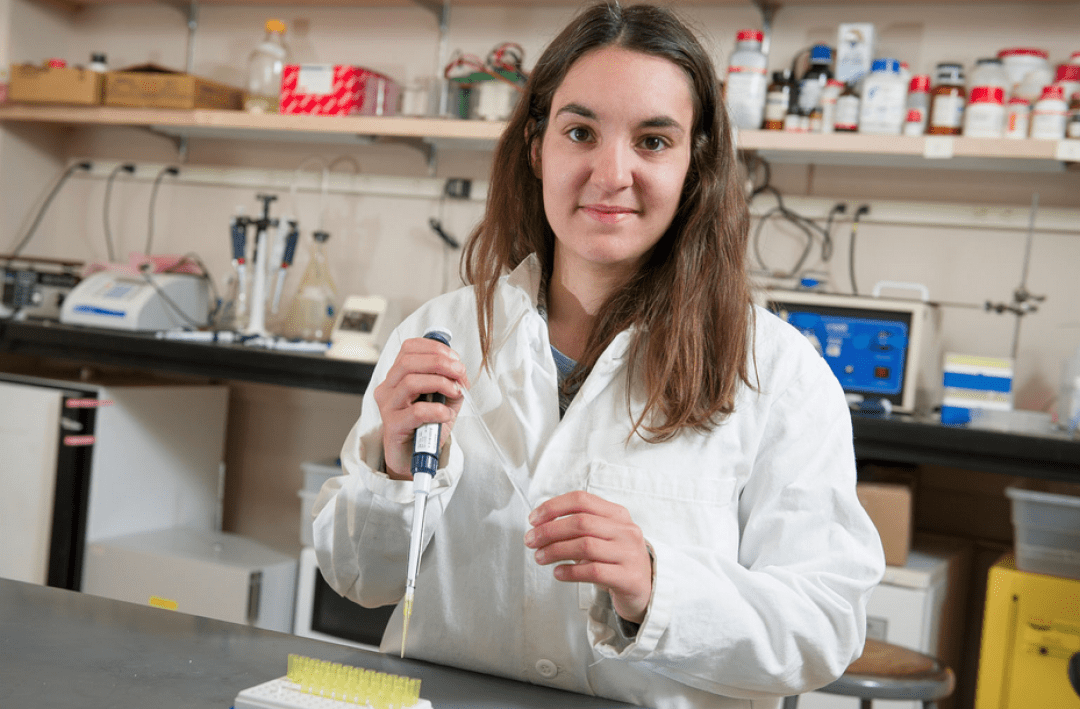
A Montana State University graduate who studies innovative applications of MRI technology has become the first woman to earn a doctorate in MSU’s longstanding mechanical engineering program.
 
Sarah Mailhiot, who is the first person in her family to go to college, completed her Ph.D. in engineering with mechanical engineering option in the College of Engineering in July.
 
“I never felt out of place as a woman in mechanical engineering, which is a reflection of the work that others did to create an inclusive environment,” she said.
 
Nationwide, men significantly outnumber women in engineering in the workforce and in higher education, and MSU’s College of Engineering has made it a priority to recruit and support female engineering students through its Women in Engineering program.
 
“Our students and faculty are working on cutting-edge technologies in an environment conducive to success,” said Christine Foreman, associate dean for student success in the College of Engineering.
 
Mailhiot, of Oak Forest, Illinois, came to MSU in 2013 after earning her bachelor’s and master’s degrees in biomedical engineering at Rensselaer Polytechnic Institute in Troy, New York.
 
She received a fellowship through MSU’s Molecular Biosciences Program, an interdisciplinary program offered through MSU’s Graduate School that allows Ph.D. students to work across multiple academic departments and research centers.
 
A longtime interest in quality-of-life issues drew Mailhiot to study osteoarthritis in the Magnetic Resonance Laboratory, which is housed in the College of Engineering. Researching better ways to diagnose the aging-related disease - in which joint-cushioning cartilage deteriorates, causing pain and decreased mobility - is a specialty of her adviser, Ron June, assistant professor of mechanical and industrial engineering.

 
“She’s been a positive role model for many students,” said June. “She has a great work ethic, and she’s organized. She’s good at doing background research to make her own work more compelling.”

Mailhiot was also advised by Jennifer Brown, associate professor in the Department of Chemical and Biological Engineering, and Joseph Seymour, co-director of the Magnetic Resonance Laboratory and professor of chemical and biological engineering.
 
In 2016, Mailhiot spent three months in New Zealand as part of the National Science Foundation’s East Asia and Pacific Summer Institutes fellowship program, which is designed to foster future international scientific collaborations. At New Zealand’s Victoria University of Wellington, she used MRI technology to study how collagen, one of the proteins found in cartilage, degrades when the arthritis condition is mimicked.

 
In March, Mailhiot was one of 11 students selected nationwide for a Whitaker Scholarship, a prestigious postdoctoral award given to biomedical engineering students seeking postdoctoral research opportunities abroad. The scholarship will fund a year-long stay in Sweden, where she will continue her research of MRI but with a focus on using the technology to monitor small changes in the brain when a person learns a new skill.

 
The research could advance fundamental understanding of how the brain works and could improve diagnosis of brain diseases such as schizophrenia, she said.
 
During her time at MSU, Mailhiot also served as the graduate student representative on the President's Commission on the Status of University Women, a 28-member panel created by MSU President Waded Cruzado in 2011 to study, evaluate and advise the president on issues related to diversity and gender equity.

 
“It was really a good experience,” she said. “It increased my awareness of the resources available for underrepresented groups.”
 
The College of Engineering offers a Ph.D. in Engineering with options such as civil engineering, chemical engineering and environmental engineering. Women have earned doctorates in the options that fall within each of the college’s four departments other than mechanical and industrial engineering.
 
After her year-long stay in Sweden, Mailhiot intends to remain abroad and gain more research experience while working toward her eventual goal of becoming a university professor and researcher, she said.

Add a Comment »

Friday, Sep. 15th, 2017

Fishing Restrictions Lifted on the Madison

Montana Fish, Wildlife and Parks will lift the hoot owl restrictions on the lower Madison River from Ennis Dam to the mouth effective Friday. With cooler water temperatures, this section has met criteria for reopening.

In most cases, according to drought management plans, rivers with hoot owl restrictions due to high water temperatures reopen on Sept. 15 automatically anyway.

In Region 3, the only remaining restrictions in place are the full closures of Section I and V of the Big Hole River as follows:
    •    From Saginaw Bridge on Skinner Meadows Road to the Mouth of the North Fork Big Hole River;
    •    From Notch Bottom Fishing Access Site to the confluence with the Beaverhead River.
 
For up-to-date information on restrictions related to drought, visit http://fwp.mt.gov/news/restrictions/.

Add a Comment »

Montana Food Show October 10


Attention all local food lovers! Next month, the Montana Department of Agriculture (MDA) will be hosting an event you won’t want to miss.

On October 10, 2017, the MDA is hosting a food and beverage tradeshow at the GranTree Inn in Bozeman. The show will be open to the general public as well as to professional buyers, with the goal of getting more Montana foods on our plates. The show will feature more than 40 Montana produce, meat, food, and spirit companies. Visit www.foodshow.mt.gov for a complete list of the local companies attending the event and to register.

The doors will be open to the general public from 4-7pm. The daytime hours (10am – 4pm) will be reserved for professional buyers. There will a great turnout of both Montana residents supporting local, quality food as well as foodservice industry professionals.

This event is being co-hosted by the following organizations: Montana Farm to School, Montana Farm to Cafeteria Network, Lake County Community Development’s Farm to Institution program, Montana State University’s Farm to Campus program, the Montana Food and Agriculture Development Center Network, Prospera Business Network, Western Sustainability Exchange, and the Made in Montana Program.

The show is free to attend and professional buyers are encouraged to pre-register for the private buyers event from 10am – 4pm at www.foodshow.mt.gov.  For more information please Steph Hystad of the Montana Department of Agriculture at (406) 444-5425 or shystad@mt.gov.

See you there!

Written by Steph Hystad & Jenna Gorham

Add a Comment »

News Comments