Wednesday, Oct. 19th, 2022

Sheriff/Coroner Dan Springer Releases Names of Homicide/Suicide Victims

At approximately 6:45 PM on Tuesday, October 18, 2022, the Gallatin County Sheriff’s Office responded to reports of gunshots at 20 Cliff Manor Ln., approximately 10 miles south of Gallatin Gateway in Gallatin Canyon. A witness reported a female had shot a male and fled the scene. When responders arrived, they found a male, identified as 53-year-old Jason Jones, deceased. Preliminary findings showed Jason died from multiple gunshot wounds. Investigation indicated the suspect to be 50-year-old Kimberli Jones, Jason’s spouse. Kimberli was later found near the Hyalite reservoir deceased due to a self-inflicted gunshot wound. The incident is still under investigation at this time.

Sheriff Springer wishes to express our deepest condolences to the family and friends of Jason and Kimberli Jones during this time.

Add a Comment »

MSU researchers apply high-tech sensors to improve maple syrup quality


BOZEMAN
— Maple candies, glazes and the syrup drizzled on a hot stack of pancakes could all get a little sweeter and fresher-tasting thanks to research at Montana State University.

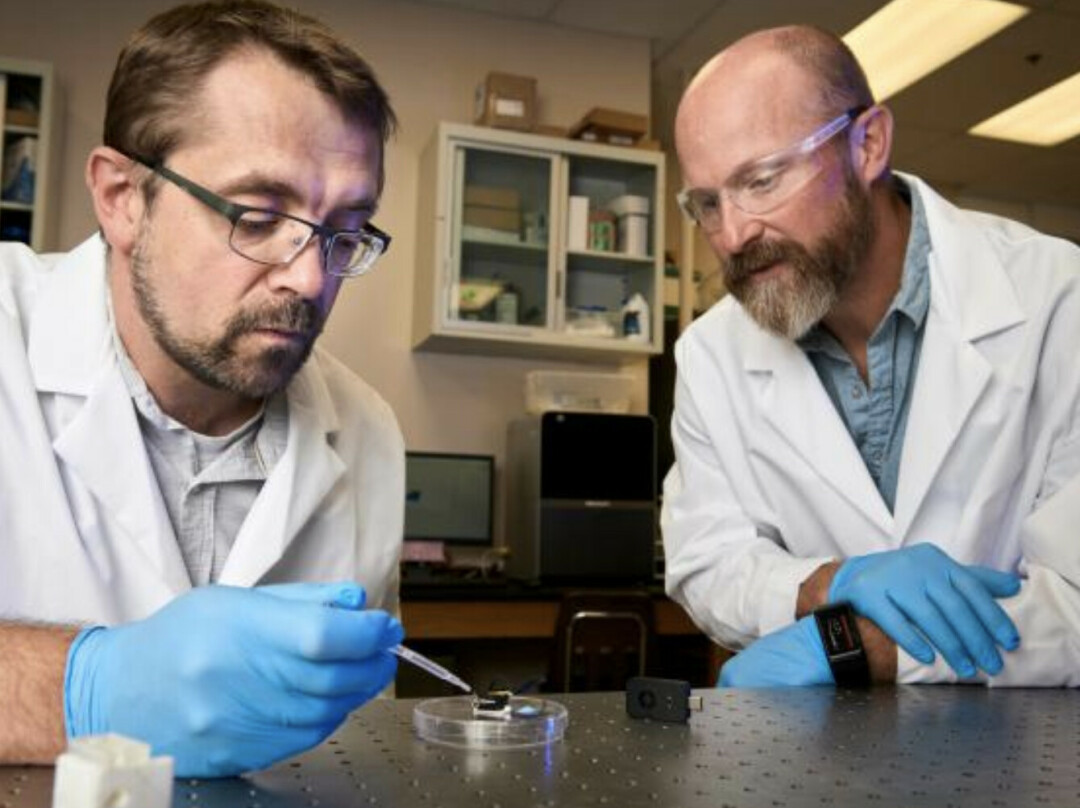
Backed by a new three-year, $500,000 grant from the U.S. Department of Agriculture, a team led by MSU researcher Stephan Warnat in MSU's Center for Biofilm Engineering is developing innovative sensor networks to monitor microbes that accumulate in equipment used to harvest maple sap and which are known to degrade the taste of finished products.

"What we want to know is, what’s happening with the microbes inside the sap lines, how does that relate to the quality of the sap and then the syrup, and what are the best practices we can recommend for cleaning the lines," said Warnat, assistant professor in the Department of Mechanical and Industrial Engineering in MSU’s Norm Asbjornson College of Engineering.

With most syrup being made from sugar maples in eastern Canada and the U.S. Northeast, the Montana researchers may seem unlikely allies of the cause, according to Warnat, but the project is a natural extension of his work to create sensors for measuring microbes in tight, enclosed situations. Originally developed as part of a NASA-funded project to help the space agency study biofilms that form in the plumbing systems of spacecraft, the technology is in many ways ideal for tackling the challenge facing syrup producers, he said.

According to the USDA, maple syrup was a $132 million industry in the U.S. in 2020, with producers making 4.1 million gallons of the sweet liquid. But before syrup can be bottled, sap must be harvested from the trees, with farmers drilling small holes in the trunks and using networks of thin hoses to collect the fluid before boiling it down to concentrate the sugars and unique flavors. Although producers are aware that biofilm buildup can negatively affect syrup flavor, not much is known about the microbes themselves, according to MSU researcher Seth Walk, a co-leader of the new project.

"One thing we know is that microbes love eating sugar,” said Walk, professor in the Department of Microbiology and Cell Biology in MSU’s College of Agriculture. “But in this case, we don’t know what they convert it into that can have an off-putting taste and smell."

Walk received a $500,000 USDA grant last September to lead a project focused on sampling microbes from sap lines and using DNA analysis to better understand why biofilms form in some lines but not others. Nicholas Pinkham, an MSU bioinformationist in Walk's lab, is a partner on that project, and both projects include Warnat as well as Christine Foreman, professor of chemical and biological engineering and researcher in the Center for Biolfilm Engineering, and Jesse Randall, a forestry specialist at Michigan State University. The two projects are well aligned to make a positive impact on syrup production, Walk said.

“Right now, with just their limited observations in the field, there’s no way for farmers to know which of their lines have high microbial load and what they should do about it,” Walk said. Farmers typically run disinfectant and water through the lines at the end of the season, but if that proves ineffective, they may have to dispose of expensive but unusable equipment or sell a lower-quality batch of sap at a lower price for making products like candies.

The sensors, developed in Warnat’s lab by mechanical engineering doctoral student Matthew McGlennen, each consist of a small wafer of glass imprinted with very thin lines of gold. When a precise electrical current is passed through the metal, the resulting signal can be used to infer if biofilms are found on the glass surface. Knowing that would provide a wealth of information for tailoring disinfecting protocols, Warnat said.

The focus of the new project is to fine-tune sensors that can both detect the maple microbes and tolerate the temperature swings and other challenges of the sap-line environment as well as link them together so that the information can be displayed on a computer screen. The researchers will also host outreach sessions with maple producers to educate them about the potential for the new technology.

"We think we can get to a point where a farmer sitting in the office can see a readout of the current state of the harvesting lines and know what the protocol is for cleaning them,” Warnat said. The tool could also be used to monitor microbes in municipal water towers, air conditioning ducts and other hard-to-reach places, he added.

"It’s exciting to take these sensors to the field with a new application," Warnat said.

Add a Comment »

Sunday, Oct. 16th, 2022

Want To Become a Precious Metals Dealer?


One of the fastest-growing fields for independent business owners is precious metals sales. Working adults who want to start a potentially profitable side job that can eventually transition into full-time work are exploring the viability of precious metal brokerage as a career path. While the niche is expanding at a relatively rapid pace, new entrants must understand not only the benefits but also the challenges of getting started.

The majority of startups in the sector are part-time, one-person entities. The pursuit works well for serious-minded people who are willing to spend the time and effort to slowly build up a client base, write a detailed action plan, and take out small business loans to cover initial expenses. Unlike hundreds of other entrepreneurial pursuits, setting up shop as a broker means making a modest upfront investment for a few items and then spending a lot of time acquiring those first few customers. Here are the essential things you'll need to do in order to improve your financial wellness and become a precious metal broker.

Making a Marketing Plan

In the metals brokerage field, a majority of the initial effort should center on marketing. That means every practitioner must craft a detailed plan of action that includes business cards, taking part in online discussion forums, and joining local social groups like chambers of commerce and entrepreneur societies. Consider buying paid local radio, print, and TV spots as an initial way to develop a regular customer base.

Getting a Small Business Loan

Starting a brokerage company in the metals sector is an exciting prospect, particularly because it offers long-term financial stability, total independence, flexible work schedules, and a chance to earn a living even in the worst economic scenarios. Fortunately, new entrants to the field can take out small business loans to cover any unique expenses. By far, your main cost is acquiring an inventory of gold and silver bullion and storing it in a secure location.

Be sure to apply for a loan as soon as you decide to become a broker. Keep an eye on the spot prices of silver and gold, and decide on how many ounces of each you want to purchase. Some owners choose to focus on just one of the two hot selling metals and make those kinds of decisions before applying for a loan. It's better to have a little more bullion in your bank safety deposit box than you think you'll need during the first few months of operations.

Acquire and Store Your Inventory

Store bullion in a bank's safe deposit box. You can also use the bank as a place to transfer metals to buyers. The cost of a safe box is very reasonable and offers huge advantages over home-based or locker storage. To acquire your first batch of bullion, try to find a local coin or metals dealer that offers bulk discounts and is willing to give you a price as close to spot value as possible. Establishing a relationship with a fair, reputable, and trustworthy wholesale seller is something you should focus on during your first year in business. Purchase two trade legal scales, several purity testing kits, and several high-quality magnifying glasses equipped with battery-powered lights.


Add a Comment »

Tchaikovsky’s Fifth Symphony + Bartok

BOZEMAN -- The Bozeman Symphony Orchestra’s 2022/23 concert season continues October 29 and 30 for “Tchaikovsky’s Fifth Symphony + Bartok”. Join Music Director Norman Huynh and the Bozeman Symphony Orchestra for the evocative second performance of their 55th anniversary season.

Also on the program is Bartok’s Piano Concerto No. 3 in E Major, featuring pianist Michael Sheppard.

‘“Tchaikovsky’s Fifth Symphony contains lush melodies and is full of emotional outbursts. On the flip side, he creates a musical atmosphere for us to reflect on our deepest feelings,’ says Huynh. “Most of us know Tchaikovsky through his ballets like the Nutcracker and Swan Lake. Through his symphonies, he is able to draw us into his personal world—one that was filled with doubt, dark thoughts, and the grappling of fate. In the end, he shows that the light of the human spirit will always triumph over our darkest emotions.”

virtuosic soloist possessed of power, sensitivity, earthiness, and humor” (Whitney Smith, Indianapolis Star) with the Manheim, All Music Guide), Sheppard has performed solo recitals and concertos around the world and, across the USA,

Known as “a “power to make an audience sit up and pay attention...thought-provoking for performers and listeners alike” (James including several solo Weill (Carnegie) Hall recitals and a solo Kennedy Center debut. Sheppard is a native of Philadelphia and resides in Baltimore, where he works at both the Peabody Conservatory and the Baltimore School for the Arts, sharing his love and understanding of music and the artistic process with future generations.

Performances will be held in person on Saturday, October 29 at 7:30 PM and Sunday, October 30 at 2:30 PM, at the Willson Auditorium (404 West Main Street) in downtown Bozeman. These performances would not be possible without strong community support and sponsorship. Bozeman Symphony wishes to thank Gary and Margaret Kachadurian and Donald B. Gimbel for sponsoring this performance, as well as our Season Sponsors, Stephen Schachman and Ritva Porter.

Individual tickets are available for purchase online at bozemansymphony.org or by phone at 406-585-9774. Tickets at the door based on availability. Adult tickets start as low as $29.00. Student-discounted tickets are available.

The Bozeman Symphony Society presents a repertoire of symphonic and choral music performed for the benefit of individuals, students, and musicians residing in south-central Montana. Performances and events include a series of classical subscription concerts, performances aimed at engaging and attracting new audiences under the umbrella of “Bozeman Symphony Presents,” Current Commotion—an experimental music series that allows the Bozeman Symphony to be on the cutting edge of our industry, and a strong desire to launch a summertime music festival. The Bozeman

Symphony has experienced tremendous growth over the last 20 years. In addition to a wide variety of orchestral programming, the Bozeman Symphony supports Far Afield, a highly accessible community outreach program, awards scholarships to promising young musicians, and provides employment and engagement opportunities for over 300 people. The Bozeman Symphony, whose history is marked by artistic excellence, has established itself as a significant cultural icon in Montana. Its future is dependent upon maintaining a skilled and motivated orchestra whose members bring symphonic music to life. For more information, visit bozemansymphony.org.

Add a Comment »

Bozeman CWD sampling station hours to be extended on 2nd day of youth deer hunt

BOZEMAN – Montana Fish, Wildlife & Parks staff in Bozeman will be available to help youth hunters learn how to sample their harvested deer for chronic wasting disease at the conclusion of Montana’s two-day youth deer hunt.  

The CWD sampling station at FWP’s Bozeman office will be open from 8 a.m. to 5 p.m. on Thursday, Oct. 20, and the station will have extended hours on Friday, Oct. 21, from 8 a.m. to 7 p.m. Sampling stations provide FWP staff to help hunters collect and submit samples for CWD testing, which is paid for by FWP.  

Montana’s special two-day youth deer hunt is Oct. 20 and 21 and is open to youth hunters ages 10 to 15 who have taken hunter education or who are enrolled in the apprentice hunter program.  

Hunters who would like help collecting samples are asked to bring their harvested animal unfrozen with at least 3 inches of neck attached, as well as a knife. Hunters will also be asked to provide the location coordinates of their harvest to help with CWD monitoring.   


CWD is a contagious neurological disease that infects deer, elk and moose. It is always fatal, and there is no known cure. It was first detected in Montana’s wild herds in 2017.  

CWD sample submission is voluntary throughout Montana. If hunters want their harvested animal sampled, they can submit samples themselves by following steps listed at fwp.mt.gov/CWD or by visiting a CWD sampling station.  

CWD sampling stations will be operated in various locations in Montana. For more information about sampling station hours and locations, and other information about CWD in Montana, visit fwp.mt.gov/CWD

Add a Comment »

Signs Of Emotional Abuse & What To Do


Emotional abuse can be just as serious as physical abuse. It can take the form of shaming, controlling, blaming, humiliating, or neglecting someone in a repeated manner. 

Gaslighting is a term that has been used more recently regarding emotional abuse. With gaslighting, the abuser may deny events that happened, turn the blame back on the abused, or engage in other behavior that makes the abused question their own reality and sanity. 

People who are emotionally abused sometimes turn to alcohol or other drugs in an effort to escape the difficulty of their experience. Alcohol use is widespread in the U.S., and alcohol is the second-most abused substance in the U.S., behind only tobacco.  

Alcohol addiction treatment today is very effective in helping to free people from their dependency on alcohol, begin to address underlying issues and get their life back. 

Identifying Emotional Abuse

Many more women than men in the U.S. experience violence from a partner, including emotional abuse – one in four women, to be exact. 

Even though emotional abuse is fairly common, it isn’t always easy to identify. If you are concerned that you might be living with an emotionally abusive partner, here are some signs to look for so that you can get help. 

1 You feel controlled
Your partner wants to know where you are, what you’re doing, and who you're with at all times. They won’t let you go to certain places or see certain people. They might also demand that you keep in constant contact with them. If they find out that you went against their demands, they get very angry and/or jealous. 

2 Your privacy is invaded or ignored altogether
Your partner might demand to know your passwords to your phone, computer, and social media. They don’t want you to, or won’t allow you to, lock or even close the doors to rooms you’re in, especially if you are in the midst of an argument. 

3 You are being bullied or made fun of.
This type of emotional abuse can be slightly easier to spot. People who really care about you wouldn’t call you names or tell you that you’re stupid, ugly, or fat. Your partner might even do this in front of your family or friends.

4 You are being threatened.
Any threats of abuse should be taken seriously. This might include your partner threatening to hurt you, a pet, or themselves if you won’t do what they ask. It can also involve a threat to call the cops to report your “wrongdoings.” 

Emotional abuse usually involves a combination of the above. The behavior isn’t a one-time thing but happens on a regular basis.

Getting Help for Emotional Abuse

Emotional abuse can sometimes escalate into physical abuse. If you are frightened of your partner for any reason, immediately get to a safe place if you can. Call 911 if you need assistance.

If it is not an emergency situation, the National Domestic Violence Hotline, at 1-800-799-SAFE (7233) or via texting “START” to 88788, offers 24/7 help 365 days a year. It is also a good resource for finding local providers and resources. 

Although it may be tempting to try to “fix” your partner by engaging with them, this is usually not possible. They need professional help, but your safety is your primary concern.

Put your needs first, build a support network if there’s time, and get out of the relationship as quickly as possible. Therapy is something to explore to help with your healing.

Final Thoughts

Like physical abuse, emotional abuse is a form of violence that should be taken seriously. If you notice any of the above regarding the way your partner or anybody else you interact with regularly is treating you, it’s important to take action to protect yourself. What’s happening isn’t your fault, and you deserve to feel safe and supported.

Add a Comment »

Friday, Oct. 14th, 2022

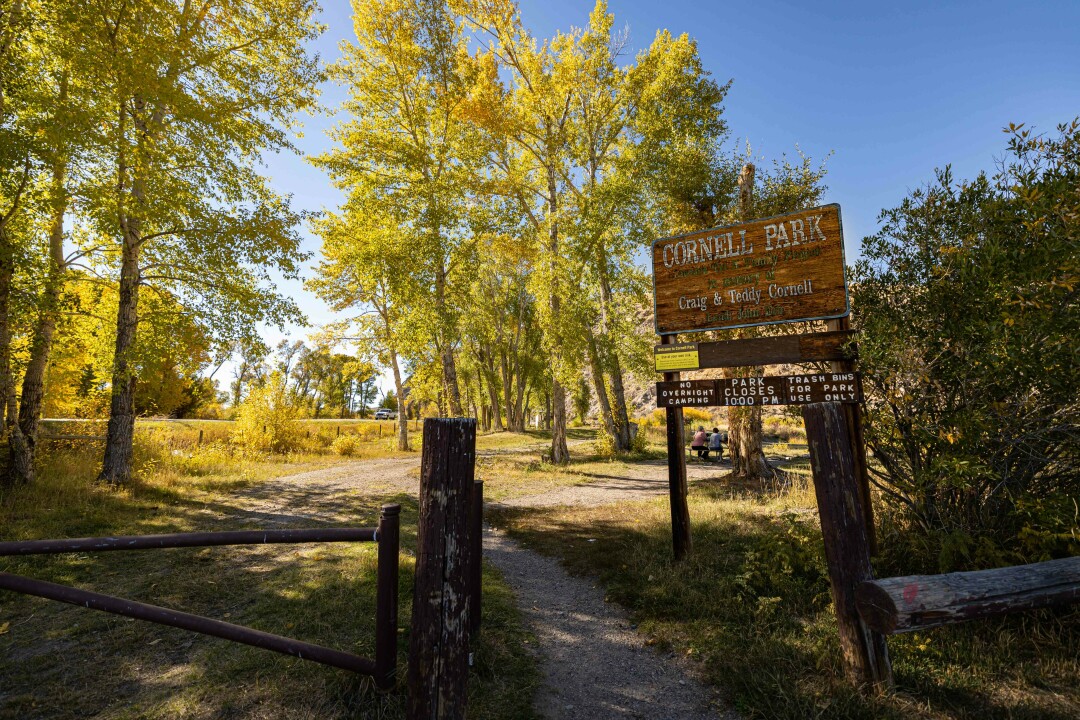
Cornell Park transferred to FWP as a permanent fishing access site


DILLON
– A new fishing access site has been permanently established on the Beaverhead River for recreationists to enjoy. 

The Beaverhead Trails Coalition donated Cornell Park to Montana Fish, Wildlife & Parks last month through a cooperative, multi-year effort involving several organizations. The 3.5-acre parcel, now known as Cornell Park Fishing Access Site, is just west of Dillon along 10 Mile Road.  

The site has been open to the public for several years. It was previously owned by John and Phyllis Erb, and the Kiwanis Club of Dillon had maintained it for public access since the 1980s. The Erb family expressed interest in donating the property to the public, and the Beaverhead Trails Coalition acquired it in 2020 with the intent of making some site improvements and ensuring perpetual public access.   

At that time, FWP and the Beaverhead Trails Coalition formed an agreement with the Beaverhead Watershed Committee, the Kiwanis Club of Dillon, and Montana Trout Unlimited working toward transferring the site to FWP.  

FWP published a draft environmental assessment in March that detailed the proposal. In its August meeting, the Montana Fish and Wildlife Commission gave approval for FWP to move forward with the acquisition, which was finalized in September. The site will continue to provide river access and day-use opportunities close to Dillon. 

“Completion of this joint effort is one of the major accomplishments of the Trails Coalition for public interests in Beaverhead County,” said Dan Downey, president of the Beaverhead Trails Coalition. “It’s great that Dillon now has a riverside park providing permanent public access to the river.” 

“FWP is excited to acquire this new fishing access site so close to Dillon,” said Marina Yoshioka, FWP’s regional supervisor in southwest Montana. “We wish to thank the Beaverhead Trails Coalition for its vision in acquiring and holding the property until FWP could complete requirements to acquire ownership, as well as all other partners who helped make the transfer happen.” 

The coalition oversaw several improvements to the property, such as adding fencing around some trees to protect them from beavers, removing dead and unsafe trees and limbs, designing future park facilities, basic streambank stabilization, and signing. The Montana Department of Natural Resources and Conservation, the Kiwanis Club of Dillon, and cadets from the Montana Youth Challenge Academy helped remove fallen cottonwood trees.  

FWP plans to continue making site improvements in the future, including adding a boat ramp and a vault toilet.  

Funding and other support for this project have been provided by the Erb family, the Beaverhead Trails Coalition, FWP, the Kiwanis Club of Dillon, the Beaverhead Watershed Committee, Montana Trout Unlimited, United Way, AARP, and others. The Beaverhead Trails Coalition and FWP wish to express their thanks to all parties who have assisted in this project.  

Add a Comment »

Thursday, Oct. 13th, 2022

Montana Trout Foundation Solicits Grant Applications for 2023 Grants

The Montana Trout Foundation (MTF) is once again requesting grant proposals from individuals or groups this fall; the deadline for submission of the proposals is December 1, 2022 (preference is to receive applications electronically, PDF is ideal). MTF works to preserve and enhance Montana's one-of-a-kind trout resources through funding scientific research, fisheries education, and trout habitat enhancement.

This year's grant cycle is intended to promote restoration and enhancement of wild trout habitat. Other funding sources for improving fisheries habitat, such as Montana Fish, Wildlife and Parks' Future Fisheries Improvement Program, are intended for project implementation. An MTF grant can fund initial project assessment, planning, and design that will qualify a project for additional funding through these other sources.

Applications will be reviewed later in the fall and winter of this year, and grants funded beginning in the spring of 2023.

To apply for a grant or for more information about The Montana Trout Foundation, visit the MTF website at www.mttroutfoundation.org.

Add a Comment »

Gallatin County Elections Office Mailing Over 62,000 Absentee Ballots on Friday, Oct. 14

On the morning Friday, Oct. 14, the Gallatin County Elections Office is mailing out over 62,000 absentee ballots for the 2022 federal general election on Nov. 8.

Voters who are registered to receive their ballots absentee should start seeing them arrive in their mailboxes in the coming days.

Sample ballots can be found here.

Absentee ballots must be returned no later than 8 PM on Election Day, Tuesday, Nov. 8, in order to be counted. Ballots postmarked on or before Election Day but received after Election Day cannot be accepted.

Absentee ballots may be returned by mail. The Elections Office advises mailing them no later than Tuesday, Nov. 1 to ensure they arrive on time. They can also be dropped off at the Elections Office leading up to and including Election Day.

On Election Day, ballots can be dropped at any polling place in Gallatin County, and there will also be a drive-up box at the front of the Gallatin County Courthouse in downtown Bozeman.

Polling places will be open for in-person voting on Election Day at the following locations:

  • Bridger Canyon Fire Station – 8081 Bridger Canyon Rd.
  • Gallatin County Fairgrounds – 901 N. Black Ave. in Bozeman
  • Hope Lutheran Church – 5152 W. Graf St. in Bozeman
  • Povah Community Center – 10 Geyser St. in West Yellowstone
  • Big Sky Water & Sewer District Office – 561 Little Coyote Rd. in Big Sky
  • Gallatin Gateway Community Center – 145 Mill St. in Gallatin Gateway
  • Belgrade Special Events Center – 220 Spooner Rd. in Belgrade
  • River Rock Community Center – 101 River Rock Rd. in Belgrade
  • Three Forks High School – 212 E. Neal St. in Three Forks
  • Manhattan Christian School – 8000 Churchill Rd. in Churchill
  • Manhattan High School – 200 W. Fulton Ave. in Manhattan

Polling places will be open 7 AM to 8 PM on Election Day, with the exception of Bridger Canyon Fire Station, which will be open noon to 8 PM.

If you are voting in-person, please check your voter registration to make sure you vote at the correct polling place location.

Visit www.MyVoterPageMT.com to check your voter registration status and your information on file.

If you still need to register to vote or update your registration in order to vote in November’s election, you must appear in person at the Gallatin County Elections Office. Voters can register now until noon on Monday, Nov. 7 (the day before Election Day), and from 7 AM to 8 PM on Election Day.

The Elections Office is located in room 210 of the Gallatin County Courthouse at 311 W. Main St. in downtown Bozeman.

For questions or more information, call us at 406-582-3060, email us at gallatin.elections@gallatin.mt.gov, or visit our website at gallatinvotes.com.

Add a Comment »

Montana State agriculture dean, vice president wins national award for contributions in industrial adoption of precision agriculture technologies


BOZEMAN
— Sreekala Bajwa, of Montana State University’s College of Agriculture and director of the Montana Agricultural Experiment Station, received a national award for her engineering achievement in agriculture.

Bajwa received the 2022 Cyrus Hall McCormick Jerome Increase Case Gold Medal from the American Society of Agricultural and Biological Engineers. The award, currently sponsored by CNH Industrial, honors exceptional and meritorious engineering achievement in agriculture that has resulted in new concepts, products, processes and methods that advanced the development of agriculture. Bajwa was recognized for her outstanding contributions to the industrial adoption of precision agriculture technologies, agricultural byproduct utilization and ensuing contributions to foundational technologies.

Bajwa was nominated by colleagues in 2019 when she was chair of the North Dakota State University Department of Agricultural and Biosystems Engineering and professor of agricultural engineering. Nominations are valid for three years. Bajwa’s research projects focused on industry collaboration and economic development in the Red River Valley.

“Although I graciously accepted this award, it was on behalf of all the people who have contributed to this research program,” said Bajwa, who has been with MSU since 2019. “My faculty colleagues, graduate students, postdocs and external collaborators all played an equally important role in developing and maintaining an impactful research program at North Dakota State University.”

In North Dakota, Bajwa and her team worked with a local company, Masonite, to identify new plant-based raw materials for making door components. The company had been using wheat straw for the fiber core of its manufactured exterior doors, but the material was becoming too expensive with unreliable quality. Bajwa and her team identified soybean- and corn-based fibers to mix with wheat fibers to maintain the quality of the doors and lower the raw material cost. Also based on their recommendations, the company modified their production process and bought soybean straw materials from farmers in the region, keeping materials local and bringing revenue to the state.

Bajwa’s team also worked with a military contracting company to repurpose its drones for agricultural applications in the Red River Valley, which she said was the first time a large unmanned aerial system was used for that purpose in the U.S.

As MSU’s vice president of agriculture and director of MAES, Bajwa said that one of her responsibilities is to understand the research needs of the agriculture sector in Montana from farmers, ranchers and other agriculture stakeholders, and to connect them with researchers to address those needs through producer engaged research.

Bajwa also advocates the adoption of precision agriculture practices in Montana, which include GPS, sensors, robotics and geographic information systems to help with farm planning, field mapping, soil sampling, tractor guidance, crop scouting, variable rate applications and yield mapping. The College of Agriculture hired four precision agriculture faculty members earlier this year to help create a precision agriculture program and facilitate research. Those faculty members meet with agricultural producers to learn about their most pressing concerns and create research plans to try and mitigate the issues, including invasive weeds, soil acidification, nutrient management and more.

“The key to my success has been bringing together a multitude of constituents and experts to work together to take advantage of research opportunities. This approach has been successful for me, and for many scientists I know. The MSU College of Agriculture is working on facilitating such collaborations for our researchers to address the challenges Montana agriculture faces,” Bajwa said.

An international organization with more than 8,000 members, ASABE represents educators, researchers and professionals tackling issues ranging from air and water quality to resource management, livestock environment, food engineering and Bajwa’s specialty, precision agriculture.

Add a Comment »

News Comments