Tuesday, Apr. 11th, 2023

FWP seeks public comment on proposed changes to Habitat Conservation Lease Program

HELENA – Montana Fish, Wildlife & Parks is proposing changes to the Wildlife Habitat Conservation Lease Program and is seeking public comment on a supplemental environmental assessment (EA).  

A habitat conservation lease is a voluntary, incentive-based agreement between FWP and private landowners in which the landowner agrees to land management practices that protect wildlife habitat and FWP pays the landowner a one-time per-acre fee for the lease. These agreements are either 30 or 40 years in length  

FWP proposes to adjust the formula used to determine the fee for these leases. In general, the changes would increase the payment level and provide additional flexibility for enrolled landowners who may choose to pursue perpetual conservation options in the future.   

These potential changes are included in a draft supplemental environmental assessment. Public comment on the draft supplemental EA that describes and analyses the proposed program changes will start April 10 and close May 1.    

More information on the program changes, a copy of the supplemental EA and a link to submit comments can be found here.  

Add a Comment »

Montana State professor selected as new dean of College of Arts and Architecture

BOZEMAN— Dean Adams, professor of art and director of the Center for Faculty Excellence at Montana State University, was selected as the new dean of the College of Arts and Architecture. He will begin his new position July 1. 

Adams will oversee the schools of architecture, art, music, and film and photography, as well as the outreach program Montana Shakespeare in the Parks. About 1,100 students are enrolled in the MSU College of Arts and Architecture. 

“As the newly appointed Dean of the College of Arts and Architecture at Montana State University, I am deeply honored to have the opportunity to help lead a community of students, faculty and staff who are dedicated to advancing our understanding of what it means to be human through studio-based learning, critical studies, creative practices and public engagement,” Adams said. 

Robert Mokwa, executive vice president for academic affairs and provost, described Adams as an excellent teacher, communicator and leader. 

“He understands the many challenges and opportunities of leading a diverse college at a research land-grant university, and he has the intelligence, calm demeanor and decision-making ability that will position him as a solid leader of one of the most renowned colleges of arts and architecture in the Northwest,” Mokwa said. 

Adams was one of three finalists interviewed last week after a national search. The interview process included meetings with faculty, administrators and students. Members of the public were also invited to participate in open forums and submit comments online. 

“We had a strong pool of applicants and an excellent group of finalists who each participated in a full day of interviews that were attended by over 100 faculty, students and staff members,” Mokwa said. “This is a testament to the vibrancy and sense of community in the College of Arts and Architecture and the excitement about future opportunities. The faculty and staff in the college have been key contributors to the success of MSU, and I am confident that under the leadership of Mr. Adams, the college will continue on an even stronger trajectory in achieving excellence in teaching, research and outreach.” 

Adams will replace Royce Smith who has been dean of the college since 2016. 

Adams has long been connected with MSU. He received a bachelor’s degree in art from MSU in 1992 and a Master of Fine Arts from the University of Iowa in 1995 with an emphasis in ceramics and drawing. He then went on to a career of teaching and creating art. 

He returned to MSU in 2001 as an adjunct instructor. In 2010, he became an assistant professor and foundations coordinator for the School of Art, overseeing first-year student curriculum. He achieved tenure and the role of associate professor in 2016. 

In 2017, he became associate dean and was acting dean for roughly eight months in 2019. Starting in 2019, he has overseen faculty development programs as the director of Center for Faculty Excellence. 

“I am committed to working collaboratively with all members of the CAA community to ensure we continue to provide the highest quality education, creative and scholarly endeavors, and community engagement opportunities to our students and to enhance our impact on the world around us,” Adams said. “Together, we will continue to build a vibrant and inclusive community that reflects the values of the CAA and MSU.” 

Add a Comment »

Monday, Apr. 10th, 2023

Historic Preservation Award Nominations Open, Events Celebrate Historic Preservation Month


BOZEMAN— The City of Bozeman Historic Preservation Advisory Board celebrates Historic Preservation Month in May. Throughout the month of May, the Historic Preservation Advisory Board and partners will host events including lectures, tours, and awards dedicated to Bozeman's history and the historic preservation program.

 
“This year’s theme, the Roots of our History, is a celebration Bozeman’s roots and how we have grown,” Sarah Rosenberg, Historic Preservation Officer at the City of Bozeman, stated. “We have tons of events for folks to participate in and hope everyone can join us in reflecting on our past.”
 
As part of the event series, the board is accepting nominations for Historic Preservation and Legacy Awards until Monday, May 1, 2023. Those interested can nominate buildings and organizations for numerous categories. Award winners will be honored at a ceremony on May 31 at the Bozeman Event Space at 14 S. Tracy.

 
All details, including how to register for the events and the award nomination, can be found on the City’s Engage Bozeman website at engage.bozeman.net/hpm2023.

Add a Comment »

7 Common Mistakes New Fishkeepers Make And How To Avoid Them

The journey into the world of fishkeeping is one that can be both exciting and daunting.

As a new aquarist, you may encounter some missteps along the way to achieving your goal of having a healthy tank of colorful fish.

All too often, these little mistakes become big problems if left unchecked.

But fear not - with a few simple guidelines in mind, you can avoid these common pitfalls and confidently build an aquarium paradise for you and your finned friends!

1) Not researching Fish Species Before Purchasing

It's easy to be overwhelmed with the choices when picking out fish for your tank, but it’s best not to rush.

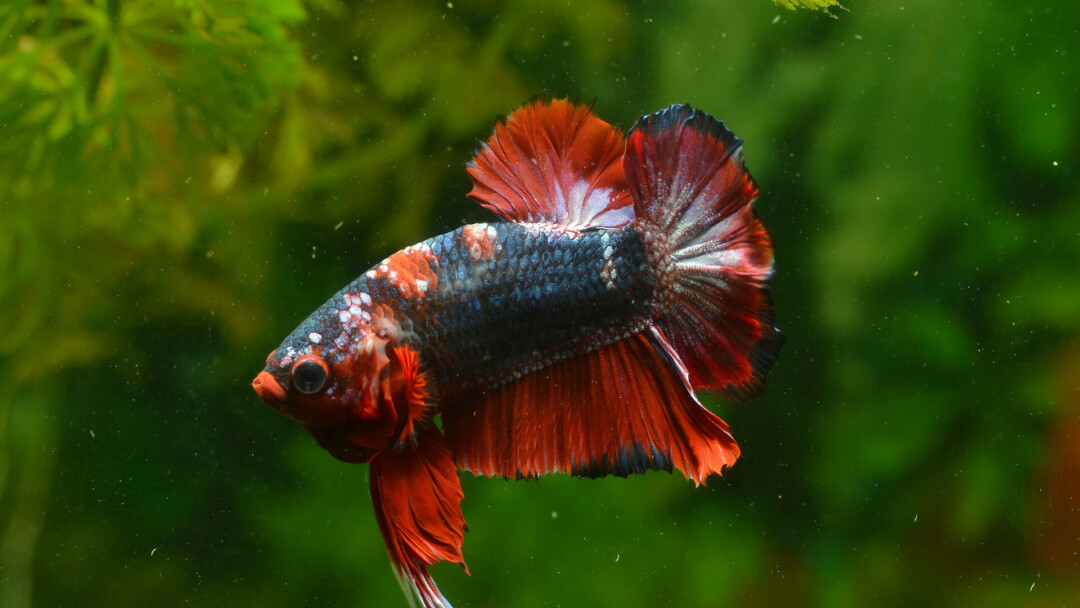
Researching different species, like the betta fish and their needs, is an important first step in being a successful fishkeeper.

Different types of fish need varying amounts of oxygen, pH levels, water temperature, food sources and space; all factors that must be taken into account before choosing any one kind.

Making sure you have enough room for the particular type of fish you'd like is essential as well.

Overcrowding can lead to stress or aggression between specimens, which could result in injury or death.

Learn more about each species' habitat and behavior so they can live happily in harmony together.

If done correctly, this will give you many years of enjoyment from your aquatic friends!

2) Overf
eeding Fish

Having the right fish for your tank is important, but so is feeding them correctly.

Overfeeding can have serious consequences, such as polluting the water and stressing out your fish. It's more common than one might think - when a fishkeeper sees their pet swim up to eat food they've thrown in, it can be difficult not to keep giving them more!

The key is moderation: you should only feed what your fish will consume within five minutes of being dropped into the tank. The leftover food can rot and make the water dirty, leading to various illnesses that could potentially kill your aquatic friends.

Feeding twice a day at most is recommended; less often if you're unsure. You should also vary your fishes' diet with different types of foods like flakes, pellets or frozen meals. Keeping this balance guarantees healthy eating habits and an overall healthier aquarium environment.

3) Not Monitoring Water Quality

I'm always amazed at how many new fishkeepers overlook water quality.

Testing your water and keeping an eye out for contaminants and PH levels is essential for healthy fish.

Don't make the mistake of ignoring these important factors; it's easy to avoid if you know what you're doing.

Testing Water Quality

Testing your water regularly is essential for successful fishkeeping.

Not doing so can lead to a deadly environment for your beloved pets.

Consistent monitoring allows you to spot any issues before they become too serious, and take steps to fix them quickly.

Test kits are easy and affordable, making it all the more important that you don't neglect this task - after all, these little guys depend on us!

So make sure you're testing your tank's water at least once a week; it could be the difference between life and death for your aquatic friends.

Overlooking Contaminants

But it's not just the lack of testing that can be a problem - overlooking contaminants can also have deadly consequences.

We've all heard stories of people forgetting to add dechlorinator when filling up their tank, or leaving something like food scraps in there for too long.

The result is often catastrophic; pollutants build up and cause irreparable damage to your fishy friends' health.

It's our responsibility as responsible aquarists to make sure these things don't slip through the cracks and end up costing us more than we bargained for.

So let's take this advice on board: always keep an eye out for anything which shouldn't be in the water, and act swiftly if you see any signs of contamination!

Ignoring Ph Levels

But we can't forget about pH levels either.

When it comes to water quality, a lack of monitoring and knowledge about proper pH levels could have disastrous consequences for our fishy friends' health.

Keeping an eye on the pH level is important because when these get out of whack - due to overfeeding or other factors - they can cause major stress on your aquatic life.

It's up to us as responsible aquarists to make sure these things don't slip through the cracks and end up costing us more than we bargained for by taking preventive measures like testing regularly and making adjustments if necessary.

Let's do our best to ensure that our aquariums are not just beautiful, but also healthy environments for all their inhabitants!

4) Not Acclimating New Fish

New fishkeepers often make the mistake of introducing their new fish to an un-acclimated tank. This is a surefire way for your new addition to become stressed and may even lead to death. It can also cause long-term health problems, so it's important to avoid this error.

Acclimating your new fish properly will help them adjust smoothly and safely into their new surroundings.

You should first get the temperature in the tank as close as possible to that of the water they have been living in previously. Then, float your bagged fish in the aquarium for around 15 minutes before releasing them.

Doing this will allow them time to adapt gradually while avoiding any harmful shocks or changes of pressure which could be fatal.

5) Not Cleaning Aquarium Regularly

Neglecting to clean aquariums regularly is one of the most common mistakes new fishkeepers make. Fish waste and food can quickly build up, resulting in a toxic environment for your aquatic pets.

To avoid this problem, it's important to be diligent about cleaning your tank at least once every week or two.

It's also important to keep an eye on the water quality so that you know what needs to be adjusted when necessary.

Regularly vacuuming debris from the bottom of the tank and replacing some of the old water with fresh will help maintain good water conditions and create a healthy living space for your fish.

Keeping track of all changes made and any readings taken is essential too--it'll help you determine whether something unexpected has occurred that requires immediate attention.

Taking care of these things as they come along will ensure your pet fish have a safe and happy home in which to thrive!

6) Not Cycling The Aquarium

It's important to understand what cycling is and why it's important; otherwise, your aquarium is doomed.

It's a process of establishing a balanced environment in the tank, allowing beneficial bacteria to grow and break down waste.

To cycle correctly, you need to test the water regularly and make sure the tank's parameters are in check.

What Is Cycling

It's one of the most important steps when setting up a new aquarium, yet many novice fishkeepers overlook it.

We're talking about cycling your tank: not only essential for keeping fish healthy and happy, but also vital for maintaining water quality.

Cycling is the process by which beneficial bacteria develop on all surfaces in an aquarium, helping to break down waste products from nitrite into less harmful nitrates.

Without this process, ammonia builds up quickly - leading to poor water conditions that can harm or even kill fish.

So don't forget to cycle before adding any animals!

Avoiding this mistake could be the difference between success and failure as a fishkeeper.

Why It Is Important

It's clear why cycling your aquarium is so important.

If you don't do it, the fish will suffer and their health could be in jeopardy.

Not only that, but poor water conditions can lead to long-term damage or even death for these creatures.

It's up to us as responsible fishkeepers to learn how to cycle an aquarium properly, so we can give our pets a safe and healthy environment they deserve.

We owe them nothing less than our best efforts when it comes to taking care of them – that’s what being a good fishkeeper is all about.

So let's make sure not to skip this vital step!

How to Cycle Correctly

Now that we understand why cycling an aquarium is so important, let's look at how to do it correctly.

It's not difficult if you know the basics; all you need is a little patience and attention to detail.

First off, make sure your tank is properly set up before adding any fish or plants.

Then cycle with natural bacteria, using water test kits regularly to monitor ammonia and nitrate levels in the water.

If needed, add biological filter media or liquid bacterial cultures as well.

Finally, keep track of your parameters over time - this will help ensure that your tank stays healthy for years to come!

7) Not Quarantining New Fish

Introducing new fish to an existing tank can be a daunting process, one so intimidating and nerve-wracking it feels like walking through a jungle blindfolded.

The worst mistake any fishkeeper can make is not quarantining their new fish beforehand.

It's imperative that you take the time to quarantine any additions before introducing them into your main tank; otherwise, you risk exposing your entire aquarium to all kinds of diseases.

Quarantine tanks are easy enough to set up: just grab an additional tank or container, add water from your main aquarium, filter it with carbon, install a heater if necessary, then add in some decorations such as plants or rocks.

Once this is done, simply introduce the new fish and monitor closely for signs of illness over the next few weeks.

Quarantining will also provide you with an opportunity to observe how they behave while acclimating to their environment - which could save both money and heartache down the line if compatibility issues arise.

Conclusion

I had made many of these mistakes when I first started out as a fishkeeper.

But with the help of my local pet store and online research, I was able to learn from them and correct my errors.

Now, every time I bring home new fish, I'm reminded of how much better off they are in clean water that's been properly cycled, monitored for quality, and quarantined before introducing them into their permanent homes.

With this knowledge, we can all be better fishkeepers—and the fish will thank us for it!

Add a Comment »

Alley Art Project - Call For Art

 CALLING ALL ARTISTS…be a part of making downtown alleys beautiful! We’re excited to invite YOU to participate in the inaugural alley enhancement project!
 
The Downtown Bozeman Partnership (DBP) is seeking artist proposals for:
1) two murals; 2) three sculptures; and 3) digital file that will be used to wrap a utility box for the “Downtown Bozeman Alley Enhancement Project.”
Artists may apply for one or multiple installations.
 
The project site is located along the alley north of Main Street between North Tracy Avenue and North Black Avenue (behind the parking garage). This alley was selected based on public ownership of the parking garage, support of the surrounding business/property owners and the general need for improvements in this part of downtown. Additionally, the Downtown Bozeman Improvement Plan (2019) identifies Black Avenue as an important north/south bicycle and pedestrian corridor.  

 
The theme for this alley is “Adventure and Exploration” and is described in the 2020 Bozeman Alleyways Report: “Bozeman is a city that is rooted in adventure and exploration, and continues to thrive on access to mountains, rivers, and open space for recreational purposes. The buildings… tell a story of entrepreneurship, adventures, and the voices of past historical events. The parking garage, Streamline Bus Station, and future bike facilities on N. Black Ave. continue the theme of transportation and exploration into the wilderness surrounding Bozeman” (2020 Bozeman Alleyways Report, Page 8).

 
This Alley Enhancement Project is a continuation of a The Downtown Bozeman Improvement Plan (2019) which, like the plans before it, envisions enlivening the downtown alleyways: “Signage, lighting, murals and art, and landscape can all co-exist with the important functional elements of the alleys, like service and loading, while adding vitality and identity to these unique spaces. The alleys are also prime spaces for experimentation, almost “hidden” gems that need to be discovered” (Page 80, Downtown Bozeman Improvement Plan).  In 2020, the Downtown Business Partnership (DBP) completed a conceptual study to review several existing alleyways in downtown Bozeman and explore ideas to improve the functionality, pedestrian access, aesthetics, and vibrancy of these valuable public spaces. This study was used to produce drawings for this alley to serve as a pilot project.

 
In additional to the public art, the DBP will also oversee the installation of painted asphalt, wayfinding/entry signage, artificial greenery, lighting, trash receptable consolidation, benches, bike racks and historic plaques highlighting underrepresented groups, such as females, and the BIPOC and disabled communities, contributions to local adventure history.

 
Goals  
• Create welcoming and attractive public art displays that highlight a local adventure and exploration theme.  
• Improve both the aesthetics and functionality by activating the alley for pedestrians and bicyclists while also respecting the vehicular and service “backdoor” needs of businesses.
• Revitalize a typically utilitarian space through a creative design process, that will in turn reflect diverse layers of Downtown Bozeman.
• “Encourage and support partnerships for public art and other arts and cultural initiatives in the city” (Bozeman Strategic Plan)
Art Details, Location and Installation
The following art installations are planned as part of the Alley Enhancement Project. Artists may apply for one or multiple installations. Please see Appendix B which shows the approximate art locations on the south elevation of the parking garage.
 
Murals
Two murals are planned for the south (rear) elevation of the existing parking garage in the locations shown on the attached exhibit. Each brick canvas will be a maximum of 430 square feet (approximately 33 feet in height x 13 feet in width – see appendix).  The murals should relate to the adventure and exploration theme. Proposals may be figurative or abstract and may be paint, vinyl wrap, or other durable materials designed for outside. An artist fee of $6,000- $12,000/mural will be provided. Proposals may include one or both murals. Once selected, each artist and the DBP will enter into an Agreement for Services to work through details of the installation.

 
Sculptures
Three sculptures are planned for the south (rear) elevation of the existing parking garage in the general locations shown on the attached exhibit. Some flexibility is expected for exact size and placement. The sculptures should relate to the adventure and exploration theme.  Proposals may be figurative or abstract and may be constructed of a variety of materials if said materials are durable and designed to be located outside. An artist fee of $10,000-$15,000/sculpture will be provided. Proposals may include one, two or all three sculptures. Once selected, each artist and the DBP will enter into an Agreement for Services to work through details of the installation.

 
Vinyl Wrap
One transformer, located in the landscaped area southwest of the existing parking garage, is planned to be wrapped in art printed on vinyl. The art or photography for the wrap should relate to the adventure and exploration theme.  Proposals may be figurative or abstract. An artist fee of up to $400 will be provided for a final digital file only. The DBP will cover the printing and installation costs of the actual wrap. Once selected, each artist and the DBP will enter into an Agreement for Services. (Note that a response to this proposal may be conceptual; however, once selected, final artwork/images must be a minimum of 200dpi @ 1/4 of final print size.)

 
Proposal
The selected artist(s) will provide the following in their proposal:  
1. Artist bio: Tell us about yourself including your vision and body of work as an artist in 200 words or less.    
2. Artist statement: Share why you are interested in this project and include any past relevant experience producing murals, sculptures or installations in or for public spaces.  
3. Conceptual design(s): include narrative, sketches, photographs or any other evidence to share and support your idea(s) and indicate how the design fits within the “Adventure and Exploration” theme. Please clearly indicate which type of art (mural, sculpture, digital art for wrap) is proposed for each idea. Artists may apply for one or multiple installations.
4. Budget: include a proposed budget for the installation.
5. Affirmation of Nondiscrimination (see appendix): Applicants must sign and complete the affirmation of Nondiscrimination in Appendix A. Lack of completion and signature is cause for disqualification of applicant.
 
Upload proposals to the Downtown Bozeman website (https://downtownbozeman.org/news/downtown-bozeman-alley-project-call-for-art) OR drop off a paper version to the Downtown Bozeman Partnership Office (222 E Main St #302) by Friday, May 5th. It is the sole responsibility of the proposing party to ensure that proposals are received prior to the closing time as late submittals will not be accepted. All proposals submitted online must be provided as a single, searchable PDF document file and be submitted digitally as an attachment to the Downtown Bozeman website (https://downtownbozeman.org/news/downtown-bozeman-alley-project-call-for-art). If there any issues uploading files or location our office, please email Ellie Staley at ellie@downtownbozeman.org or 406-586-4008.

 
Selection Criteria
• Design/Theme (4 points): The overall design should highlight the Adventure and Exploration theme designated for this alley. Additional consideration could be given to underrepresented groups and contributions made to local adventure history.
• Experience (3 points): The artist for the murals and sculptures in particular should have some experience with public or semipublic art installations and a track record of timely delivery. The artist for the digital art for the wrap installation should be able to meet the requirements for image resolution, final printing, etc.
• Feasibility (2 points): The design can be implemented and employs durable materials that are designed to be outside permanently.
• Completeness of proposal (1 point): Artist’s proposal includes all the requirements listed in this request for proposals.
 
Selection Process/Timeline
• The selection committee, composed of representatives from the Downtown Bozeman Partnership, the City of Bozeman, a member of the Downtown Urban Renewal Board, a business owner and a property owner will select the final designs submitted by artists through this request for proposals.  
• Once selected, each artist will enter into an Agreement for Services with the DBP, or designated representative, to work through details of the installation.
• May 5, 2023- Deadline for proposals
• May 2023- Selection of artists finalized
• June/July 2023- Installation of art
 *Installation process will be coordinated with the Downtown Bozeman Partnership
 
 
Attachments
The following exhibits are incorporated in this Call for Art:
• Appendix A-Affirmation of Nondiscrimination
• Appendix B- Map of Approximate Art Locations
 
Contact Information
Ellie Staley, Executive Director
Downtown Bozeman Partnership
ellie@downtownbozeman.org | 406-586-4008
downtownbozeman.org
222 E Main St #302, Bozeman MT 59715

Add a Comment »

Friday, Apr. 7th, 2023

Prolonged winter weather may lead to more winter-killed animals

BOZEMAN – Southwest Montana this year may see more winter-killed animals than normal due to prolonged winter weather.  

Winter mortality is normal for wildlife. Limited forage and cold temperatures make this a stressful season for them as they rely on fat reserves to survive. This winter, however, has been particularly stressful, and wildlife mortality will continue during spring months.  

This increases the likelihood that residents and recreationists will encounter animal carcasses on the landscape. Here are some answers to common questions people may have as they encounter and deal with winter-killed animals. 

How can I help wildlife this time of year? 
The best thing residents and recreationists can do to help wildlife is give the animals plenty of space and keep pets from harassing wildlife. This helps wildlife retain the energy they need to survive. Never feed wildlife. Artificially feeding wildlife can lead to disease and is illegal.  

How will impacts to wildlife populations be monitored?  
This time of year is when biologists conduct annual flights and counts of deer, elk, pronghorn, bighorn sheep and other species. These surveys often include classifications of adults and young. This data helps biologists track population recruitment and can influence adjustments to hunting season structures.  

An animal has died on my property. What can I do?  
Wildlife live and die on public and private lands. When an animal dies on private land, it is the landowner’s responsibility to dispose of the carcass if they so choose. Some waste disposal companies may be available to help. If the carcass is removed, it must be taken to a landfill. Dumping carcasses on public land is illegal and can spread diseases, including chronic wasting disease. 

What should I do if I encounter an animal carcass while recreating? 
Animal carcasses are a major seasonal food source for bears in some areas. Bears, especially grizzlies, can be defensive of these food sources. For this reason, recreationists should avoid carcass sites. Watch for ravens and other scavengers that may indicate if an animal carcass is nearby. If you find a large carcass on or near a trail on public land, contact the applicable land management agency.  

What wildlife mortalities should be reported to FWP? 
There are some circumstances when staff at Montana Fish, Wildlife & Parks may be interested in wildlife mortality reports. FWP staff will determine case by case whether a response is needed.

These might include:  

• Any animal seen alive with unusual symptoms, such as immobility, drooling, staggering, very poor body condition, and drooping head and ears 
• Multiple sick or dead animals in the same area, particularly among domestic animals 
• Individual animals recently deceased with evidence of disease, such as abscesses, severe diarrhea, and excessive mucous or puss from eyes and nostrils 
• Mortalities of bighorn sheep, moose, mountain goats or other rare species 
• An animal that dies due to possible criminal activity; FWP’s hotline for reporting
crimes against wildlife is 1-800-TIP-MONT 

What wildlife situations does FWP typically not respond to?  
Most aspects of natural wildlife behavior and mortality don’t need to be reported.

These include:  
• Live animals that react normally to human presence by leaving the area, even if injured 
• Animals that appear thin or have rough hair coat during winter and spring but are behaving normally 
• Individual deer and elk that likely died of natural causes or trauma (e.g. vehicle collision) 

Add a Comment »

Coffee Culture around the World: How Different Countries Enjoy Their Cup of Joe

Coffee is a beverage enjoyed by people all around the world. However, the way people drink and prepare their coffee varies from country to country. From espresso to pour-over to instant coffee, each nation has its own unique way of enjoying their cup of Joe. In this article, we'll take a closer look at the coffee culture in major countries of the world.


As the birthplace of espresso, Italy has a rich coffee culture that has spread throughout the world. Espresso is the most popular coffee drink in Italy and is often enjoyed at all hours of the day. Italians drink their espresso standing up at a coffee bar, as they believe that coffee should be enjoyed quickly and without distraction. In Italy, coffee is more than just a drink; it's a way of life. Italian coffee culture values quality and tradition, and Italians are passionate about their coffee. Italians often pair their espresso with a pastry or biscotti, this tradition has spread to other parts of the world.

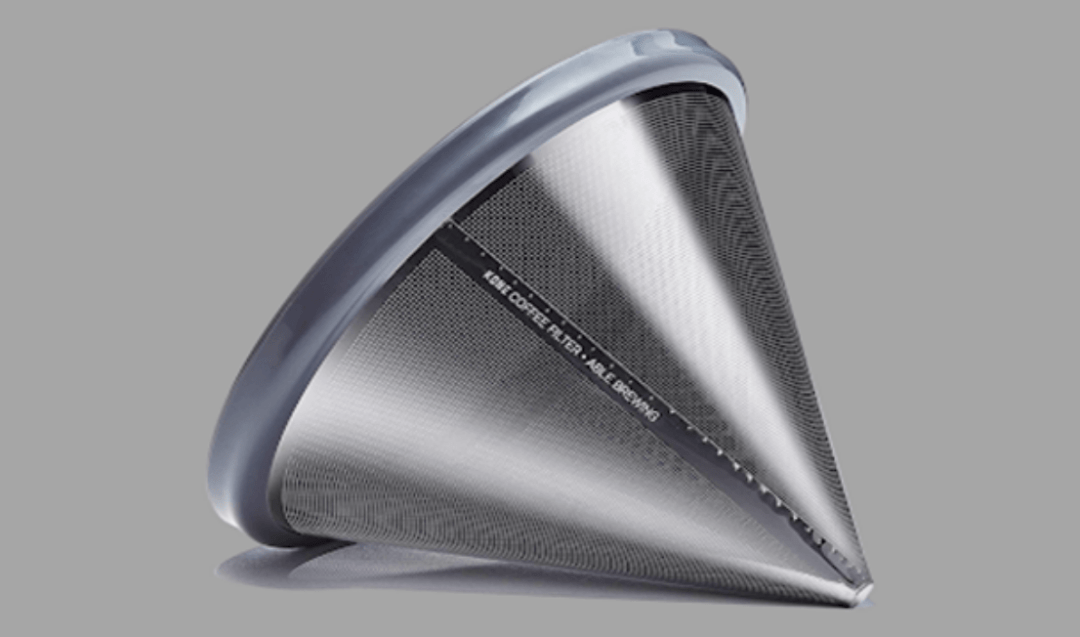
The United States is a country that runs on coffee, with over 400 million cups of coffee consumed every day. The American coffee culture is focused on convenience, with coffee shops on every corner offering a variety of options from lattes to cold brews. The American coffee culture is all about getting things done quickly, and coffee is often seen as a way to increase productivity. With the rise of environmental consciousness, reusable coffee filters like the Chemex filter, are becoming increasingly popular in the United States. This site shows these filters are an eco-friendly alternative to disposable paper filters and allows coffee drinkers to reduce their environmental impact while still enjoying a great cup of coffee.

As the largest coffee producer in the world, Brazil is a country where coffee is deeply ingrained in the culture. Brazilian coffee is known for its bold and rich flavor and is often enjoyed with a simple breakfast of bread and butter. Coffee is an important part of Brazilian culture and is consumed throughout the day. The country has a strong coffee culture that values quality and tradition.

Ethiopia is considered the birthplace of coffee, and the country has a rich coffee culture that goes back centuries. Coffee ceremonies are a key part of Ethiopian culture and involve roasting and brewing coffee beans over an open fire. The coffee is then served with popcorn or bread, and is often enjoyed in the company of friends and family. In Ethiopia, coffee is more than just a beverage; it's a social event that brings people together.

France has a café culture that values quality over speed. French coffee culture emphasizes savoring the coffee and the company of those around you. French cafes are often seen as a place to relax and enjoy a good conversation. French coffee is typically served in small cups and is enjoyed with a croissant or other pastry. In France, coffee is often seen as a way to slow down and enjoy life.


Japan has a coffee culture that values precision and attention to detail. Japanese coffee shops are known for their precise brewing techniques and delicate presentation. Japanese coffee is often served in small ceramic cups and is enjoyed slowly and with great appreciation. Japanese coffee culture is all about the experience of drinking coffee, and the country has a thriving coffee scene that is deeply ingrained in the culture.

Turkish coffee is known for its strong and unfiltered flavor, and is brewed in a small pot called a cezve. Turkish coffee culture is steeped in tradition, and it is customary to read the coffee grounds after drinking the coffee. Turkish coffee is typically served with a sweet pastry, like baklava, and is often enjoyed as part of a social event or after a meal. In Turkey, coffee is seen as a way to relax and unwind with friends and family.

Colombia is known for producing some of the finest coffee in the world, and coffee is a major part of the country's culture and economy. Colombian coffee is typically mild and smooth, with a slightly sweet flavor. Coffee is an important part of daily life in Colombia, and it is often enjoyed throughout the day with friends and family. Colombian coffee culture values sustainability and environmental responsibility, and many coffee farms in the country have adopted eco-friendly practices to protect the environment.

Australia has a thriving coffee culture that values quality and innovation. Australian coffee shops are known for their unique blends and creative brewing techniques. The Australian coffee culture is all about trying new things and exploring different flavors. In Australia, coffee is often enjoyed with brunch, and cafes are often seen as a place to relax and socialize with friends.

Vietnamese coffee is known for its unique flavor, which is often the result of the addition of condensed milk. Vietnamese coffee culture values simplicity and convenience, and coffee is often enjoyed on the go. In Vietnam, coffee is often brewed using a small metal filter and is served with ice. Vietnamese coffee culture values strong flavors and bold flavors, and is an important part of daily life.

In conclusion, coffee culture varies greatly from country to country, and each nation has its own unique way of enjoying their cup of Joe. From first world nations like the United States and France to developing nations like Ethiopia and Vietnam, coffee is an important part of daily life in many parts of the world. Whether you enjoy a quick espresso at a coffee bar or savor a slow pour-over at a cafe, coffee is a beverage that brings people together and enriches our daily lives. And with eco-friendly alternatives like the reusable Chemex filter, we can enjoy our coffee while also taking care of the environment.


In addition to the cultural differences in coffee consumption, there are also unique brewing methods and styles that are specific to each country. Some countries, like Italy, value espresso shots and small cups, while others, like the United States, favor larger sizes and customizable drinks. Coffee has become a global beverage, and as it continues to spread to new countries and cultures, we can expect to see even more diverse brewing methods and cultural practices emerge.

 
As the coffee industry continues to grow, it is important to consider the impact of coffee production on the environment. Many countries, including Colombia and Ethiopia, have taken steps to promote sustainable coffee farming and eco-friendly practices. And with innovations like the reusable Chemex filter, consumers can enjoy their coffee without contributing to waste and pollution.

 
Ultimately, coffee is more than just a drink – it is a cultural symbol that brings people together across the world. From the cozy cafes of Paris to the street-side stalls of Vietnam, coffee culture is a reminder of our shared humanity and the joy of connecting with one another. Whether you prefer a bold cup of Ethiopian coffee or a creamy cappuccino from Italy, the beauty of coffee culture is that there is something for everyone to enjoy, no matter where you are in the world.

Add a Comment »

Thursday, Apr. 6th, 2023

City Unveils Bozeman Community Center Renderings at Open House

BOZEMAN, Montana — The City of Bozeman invites the public to an open house to view concept designs for the aquatics, library, and recreation building that will be on the November ballot. The Bozeman Community Center will be a place for people of all ages and abilities to learn, play, and connect. The project team will present the design concept on April 26 at Gallatin High School Commons (4455 Annie Street) from 4 to 6 p.m.

 
“This event is the culmination of many months of hearing from the public and incorporating a wide variety of community needs into the design,” Jon Henderson, Strategic Services Director, stated. “We’re excited to finally show what a comprehensive community center might look like. Once the City Commission decides to place a question on the November ballot, it’s up to the public to determine if they want to proceed with building and staffing this kind of facility.”

 
Some of the major parts of the facility include:
·         Leisure pool/indoor water park
·         Multi-purpose pool
·         Outdoor splash pad and deck area
·         Two-court wood floor gymnasium
·         Multi-purpose recreation space
·         Fitness and stretching areas
·         Indoor climbing wall feature
·         Public/civic plaza
·         Meeting rooms
·         Lockers and locker rooms
·         Café and seating
·         Children’s, Teen, and Adult Library Collections and seating areas
·         Maker Space
·         Learning Lab
·         Audio/video media lab
·         Sensory room
·         Bookmobile garage
 
Cost and location will be confirmed over the next few months as staff finalize the concept design and determine the number of new staff needed to operate the facility.
 
More information on the project can be found at engage.bozeman.net/community.

Add a Comment »

Winners Announced for the 1st Annual Belgrade Battle of the Bands

Belgrade, MT - The 1st annual Belgrade Battle of the Bands, presented by Billion Cares, 104.7/105.7 The Eagle, and the Panther Music Boosters, was a huge success. Hundreds of people showed up each night to cheer on their favorite bands. On Friday, Bake and Zepp from the Eagle kept the crowd pumped up as they announced each of the four competing cover bands, Scott’s Garage, Wilde Hix, The Hall Passes, and Tyran’t. Four of Belgrade’s Music teachers rocked out on stage in their newly created band, The Hall Passes, and they did not disappoint. All four bands were incredibly talented, but in the end, Wilde Hix came out on top taking home the Grand Prize for the Night, an Epiphone SG Classic Worn P-90S Electric Guitar from Music Villa, and a Marshall MG15FX Amp donated by Ekroth Music. Tyran’t came in a very close second, a mere 1 point behind, to win a $100 gift certificate donated by Music Villa.

The bands were scored on stage presence and professionalism, technical ability, difficulty, appearance, and creativity by four amazing celebrity judges including Thad Beaty of Sugarland, who has written songs that have charted in the top 10 and performed on stage with Beyonce’, Lady Gaga, Rhianna, Bon Jovi, and many more; Annie Clements, who recently performed alongside Maren Morris at this year’s Grammys, Luke Flansburg of Pinky and the Floyd, Dead Sky, MOTH, and Tsunami Funk; and Brandon Edwards who leads the music experience for audiences of thousands every week as the Worship and Arts Pastor at Journey Church. The crowd also got a chance to participate by voting for the People’s Choice Award. This year’s crowd favorite was Scott’s Garage!

About halfway through the show Belgrade Sophomore, Hannah Main stepped onto the stage to sing Before He Cheats, not as a competitor, but to keep the crowd entertained in between bands. When her backing track started to play, it was the wrong song, which made for a slightly awkward moment, but she took it in stride and two of the celebrity judges quickly jumped into action. Thad and Annie hopped up on stage, grabbed the guitar that Gibson had donated for the raffle, and came to the rescue. Annie told Thad which chords to play and together they played and sang backup as Hannah performed her song. It was truly an incredible moment and the videos Annie shared on her social media pages have been viewed well over 2,500 times! (fb.com/AnnieClements.Music, @annieclements on Instagram3)

Six original bands took to the stage on Saturday night for their chance to compete for a 4-hour recording session at Jereco Studios with the Eagle playing their professionally recorded song on the radio and an opening gig at Music in the Mountains in Big Sky this summer. Emma and the Ledge, who recently won the Beast of Bozeman, kicked off the show, followed by Shock, Bottlecap, Liquid Gnar, J.A.D.E. and False Fiction. All the bands were incredibly talented and the judges, Paige Rasmussen a multi-award winning Musician and lead singer of Paige and the People’s Band, Jake Flemming, of Pinky and the Floyd and The Tiny Band, Joshua McKendry of Basecamp Recording Studio, a producer, audio engineer, composer and educator, had the difficult task of selecting the winner. The top award for Best Original Band and the People’s Choice Award both went to Liquid Gnar, whose drummer is Belgrade’s own Middle School band teacher, Mr. Binder, affectionately renamed Mr. Bender by Bake and Zepp. The award for best Belgrade student band went to Emma and the Ledge.

The goal of this event was to create a fun and exciting annual event for our whole community while raising much-needed funds for the Belgrade Music Program, and the organizers of the event, the Panther Music Boosters, exceeded all expectations, raising well over $10,000 and giving kids the opportunity to be Rock Stars.

“Such an amazing debut event! I loved everything about it.” said Chris McNeil, a Belgrade Mom.

“The organization was wonderful, the bands were amazing. A great family friendly event. Thank you to everyone who worked on this event. I’m already looking forward to next year!!”

With all the positive feedback they have received, organizers have already started planning next year’s event. If you would like to help, please reach out to the Panther Music Boosters at info@panthermusic.net. For updates on this event and other happenings involving Belgrade Musicians follow the Panther Music Boosters on FaceBook at fb.com/PantherMusicBoosters or Instagram at instagram.com/panthermusicboosters/

Comments 1

Gallatin County Residents Encouraged to Prepare for Spring Flood Season

As temperatures begin to rise and we move into spring, Gallatin County residents are encouraged to prepare for flooding season. 

According to the National Weather Service, Gallatin County will see temperatures increasing into the weekend and early into the week of April 10, both during the day and overnight. That could mean some minor flooding impacts around the county during that time. 

“We know we will see the valley snowpack melt in the coming days as we warm up. The unknown question is how much water will leave the snowpack and where it will go. Now is the time to make sure your property is prepared, you have a plan and are registered to receive emergency notifications.”

There are two things property owners can do NOW to minimize potential impacts of flooding in the coming weeks and months. 

Flood Insurance

Floods can happen anywhere – just one inch of floodwater can cause up to $25,000 in damage. But unfortunately, most homeowners’ insurance doesn’t cover flood damage. 

Flood insurance is a separate policy that can cover buildings, the contents in a building, or both. It is a crucial tool to protect your most important financial assets – your home, your business, your possessions. 

If you feel your property is at risk of flooding, you may want to consider flood insurance. You do not have to live in a floodplain to get flooding insurance – any homeowner in the county can purchase a policy.

Flood insurance has a 30-day waiting period for the policy to take effect, so you can’t wait until flooding is imminent to get a policy. It will be too late.

Contact your insurance agency for policy information. There are insurance products available through the National Flood Insurance Program, as well as private insurers. 

Find more information at www.floodsmart.gov or csimt.gov/your-insurance/flood/

Keep it Flowing

Now is the time to prepare your property in order to minimize the potential effects of flooding.

The most prevalent cause of localized flooding are obstructed waterways that block the flow of water and cause it to go where you don’t want it. Now is the time to make sure ditches, culverts and other waterways on your property are clear of debris so we can keep as much water in them as possible. This can help you AND your neighbors limit the impacts of flooding in your area.

Now is also the time to develop your plan on how you will protect your property if you are affected by flooding later this spring. Once flooding occurs, the damage is done. So developing your plan now, and implementing it early, is critical to minimizing damage.

More information on flooding is available here.

Stay Informed

Make sure you’re receiving timely and critical flooding information about your area by signing up for the Community Notification System. 

With this system, our citizens can receive targeted notifications with urgent information in the event of things like flooding, law enforcement incidents, severe weather, road closures, wildfires, and much more.

You can personalize how you get those notifications (text, call, email, etc.) and identify addresses you want to be notified about.

To register for free, or to get a little more information on how the Community Notification System works, visit our website.

Add a Comment »

News Comments