Thursday, Apr. 24th, 2025

Ten Montana State students complete year of service on local nonprofit boards


BOZEMAN
— Ten Montana State University students have successfully completed another year of Boardroom Bobcats, an innovative program that allows them to experience the realities of serving in the nonprofit sector.  

Led by the MSU Leadership Institute, the program started in 2016. Undergraduate and graduate students accepted into the cohort are paired with a local nonprofit in the Gallatin Valley, where they serve an academic year as a non-voting board member. They also attend monthly skill-building sessions with the MSU Leadership Institute and the Office of Student Engagement.  

This year, 10 students from a range of academic disciplines and interests completed the Boardroom Bobcats program. Their names, majors, hometowns and nonprofits are listed below. 
  • Sophia-Kouko Adams: biochemistry; Maple Valley, Washington; served with Suffer Out Loud.   
  • Robby Brown: economics major and Hispanic studies minor; Billings; served with the Bozeman Film Society. 
  • Riley Cravens, microbiology major and human development minor; Anchorage, Alaska; served with the Montana Mindfulness Project. 
  • Emily Fettig, business marketing major and accounting minor; Mill Creek, Washington; served with Big Brothers Big Sisters of Big Sky Country. 
  • Ginny Lou Garabedian, global and multicultural studies and music; Spokane, Washington; served with We Are HER. 
  • Joe Lackman, agricultural education major and agricultural business minor; Hysham; served with the Gallatin Watershed Council. 
  • Ella Morton, finance major and double minor in accounting and entrepreneurship; Albuquerque, New Mexico; served with Bridgercare. 
  • Melia Swirsky, business marketing and sustainability and environmental stewardship minor; Kaneohe, Hawaii; served with Warriors and Quiet Waters. 
  • Flor Vega-Castillo, master’s student in public administration; Lima, Peru; served with Bienvenidos a Gallatin Valley. 
  • Beckett Yeend, business finance; Seattle; served with Opera Montana. 
“This program is a phenomenal opportunity for students to build connections in the Bozeman community and supplement what they are learning in the classroom with hands-on experience in the nonprofit industry,” said Daniel Sanberg, director of the MSU Leadership Institute. “Many of these students go on to continue their service with the nonprofits they are paired with. For nonprofits, we hear every year how beneficial it is for them to get a fresh voice and a student perspective.”  

For more information or to recommend a nonprofit for the program, reach out to Sandberg at daniel.sandberg@montana.edu. 

Add a Comment »

One Valley Community Foundation’s Give Big Gallatin Valley Returns for 11th Year


Gallatin County, MT — Give Big Gallatin Valley returns for its 11th year from 6 pm on Thursday, May 1, to 6 pm on Friday, May 2, inviting community members to visit GiveBigGV.org and support the causes they care about. Powered by One Valley Community Foundation, this community-driven initiative has raised more than $17.4 million since its launch in 2015. This year, the goal is to engage 7,000 donors to support 259 local nonprofits in 24 hours.

“What started as a single day of giving has grown into a movement that defines what’s possible when a community comes together,” said Bridget Wilkinson, President & CEO of One Valley Community Foundation. “This year especially, we’re seeing rising needs across nearly every sector at a time when traditional funding sources are becoming less reliable. In the face of that, Give Big is a powerful reminder that local support is not only possible, it’s transformative. When we show up for our nonprofits, we invest in the future we want to build together.”

From West Yellowstone to Three Forks, Give Big brings together donors, businesses, and nonprofits of all sizes to uplift the causes that matter most to them. Whether you give $5 or $500, attend a local event, or fundraise for a favorite organization, every action adds up to a stronger, more connected community.

“For the last ten years, Give Big has energized our staff,” said EJ Porth, Associate Director at Gallatin Valley Land Trust. “The collective impact has introduced our mission to new people and grown our GVLT family of supporters. Philanthropy drives impact, and a rising tide lifts all boats. This community initiative doesn’t just fuel our trails and conservation mission—it has transformed the capacity of our nonprofit sector to address the opportunities and challenges of a growing region.”

This year’s Give Big is made possible with the generous support of the Yellowstone Club Community Foundation, the initiative’s headline sponsor. Because Strong, Vibrant Communities Don’t Happen by Accident.

“The Yellowstone Club Community Foundation is proud to support Give Big Gallatin Valley,” shared Ciara Wolfe, Yellowstone Club Community Foundation’s Vice President of Philanthropy. “Year after year, we’ve seen the powerful impact it has on our nonprofit partners and the increased awareness it brings to the sector throughout our community.”

This Year’s Highlights
• 259 local nonprofits participating
• $30,000 in prizes to inspire donor engagement and support organizations
• A goal to engage 7,000 individual donors in just 24 hours
• Community-hosted events taking place across the region
• Opportunities to participate as a Peer-to-Peer Fundraiser or Business Fundraiser at GiveBigGV.org

How to Participate
• Give online at www.GiveBigGV.org from 6 pm May 1 to 6 pm May 2
• Attend an event – Find celebrations near you at www.GiveBigGV.org/info/events
• Spread the word on social media using #GiveBigGV
• Fundraise or get involved as a business at www.GiveBigGV.org/business_fundraisers

About One Valley Community Foundation
One Valley Community Foundation connects people who care with causes that matter to ensure all can thrive in Gallatin County. As a trusted local partner, One Valley helps individuals, families, and businesses make meaningful, strategic contributions—now and for future generations. The foundation manages over 70 charitable funds, supports hundreds of nonprofits, and convenes cross-sector partners to tackle complex challenges like housing. Through initiatives like Give Big Gallatin Valley and the Regional Housing Coalition, One Valley strengthens our community from every angle and ensures that generosity creates a lasting impact.

Add a Comment »

Wednesday, Apr. 23rd, 2025

Montana State initiative receives $500,000 grant for Indigenous food sovereignty work

A project at Montana State University that works to support intertribal food sovereignty has received a $500,000 grant from the Mellon Foundation Humanities in Place program to continue and grow its work.

The Buffalo Nations Food System Initiative provides education and conducts research in support of Indigenous food sovereignty focused on the people of the Northern Great Plains and Rocky Mountains. Its aim is to revitalize cultural knowledge, educate Indigenous food systems professionals, expand food system research and increase engagement. It is a collaborative project of the MSU Department of Native American Studies in the College of Letters and Science and the MSU College of Education, Health and Human Development.

The initiative will use the Mellon grant for its Buffalo Nations Foodways project, which aims to ensure Indigenous cultural continuity in the Buffalo Nations biocultural region food system, according to Jill Falcon Ramaker, director of the initiative and assistant professor in the MSU Department of Food Systems, Nutrition and Kinesiology. She noted that a biocultural region is a geographical area where the natural environment and the cultural practices of the people living there are deeply intertwined.

Falcon Ramaker said the work is about keeping important knowledge in communities while sustaining food systems and culture.

“Buffalo Nations students are vessels of resiliency,” Falcon Ramaker said. “Through educational opportunities and projects working in their home communities, students gain understandings important to success in their career paths, accessing Indigenous knowledge that will guide their work into the future. Place-based and ancestral knowledge is essential to sustainable food systems.”

To meet its goals, the Buffalo Nations Foodways project will work to strengthen food, culture and identity and the exchange of knowledge among what the project refers to as a kinship network – the Indigenous system of exchange that undergirds Indigenous belief and traditional food systems. In practical terms, Falcon Ramaker said that translates to supporting connections between knowledge people of many Native nations in the region toward shared food sovereignty, while providing educational opportunities and materials to Native communities, Native partnering organizations, and tribal colleges and universities.

The project will also support MSU students’ projects in their home communities. Over two years, an estimated 40 to 50 students will participate in community knowledge regeneration projects, Falcon Ramaker said.

For example, Watson Whitford, an undergraduate studying environmental horticulture, is working with his Rocky Boy Ojibwe Cree community to generate connections between youth and elders. Together, they are building a food sovereignty garden, growing produce for and with elders while learning and practicing plant names in the Cree language.

“The language has evolved with thousands of years of relationship with people and place,” Falcon Ramaker said. “Descriptions of plants give us an understanding that is ancestral and connected to place. Knowing the plants and their uses helps us to thrive in our home communities.”

Another student funded by the grant, Seth Still Smoking, is working to create cooking videos using both English and Blackfeet language. The videos will be distributed by FAST Blackfeet, a nonprofit devoted to food sovereignty and ending food insecurity on the Blackfeet Reservation. They will teach basic cooking skills and engagement with ancestral language, both important to Native well-being, Falcon Ramaker said.
In addition, the grant will provide opportunities for students and community members to work in a new Indigenous Foods Laboratory, located in the Community Commons at the HRDC, a nonprofit providing social services in Bozeman. This training and educational center, founded by Buffalo Nations in partnership with Piikani Lodge Health Institute and North American Traditional Indigenous Foods, will host student fellowships and internships at the lab related to food entrepreneurship, recipe development, community education and outreach.

The grant will also be used to update an interactive map of the Buffalo Nations Biocultural Region meant to reinvigorate connections among Indigenous people and places that supported Indigenous food sovereignty in the past. Falcon Ramaker said the funds will help add more layers to the interactive map and distribute it throughout the region – particularly to tribal colleges and universities – as an educational tool. The Buffalo Nations Food System Initiative first started working on the map in 2021, Falcon Ramaker said.

Alison Harmon, MSU vice president for research and economic development, said Falcon Ramaker has made “significant progress in the good work of sustaining food systems and culture among Buffalo Nations. 

“Students are drawn to her because they see the importance of this work,” Harmon added. “Traditional knowledge is a finite resource that will be diminished over time if not shared and regenerated by individuals and communities who understand its value. I am grateful MSU is engaging in and supporting this regeneration.”

Students who are interested in the Buffalo Nations Food System Initiative and its Buffalo Nations Foodways project are invited to visit the website for more information:www.montana.edu/ehhd/bnfsi/index.html

Add a Comment »

How to Prep Your Outdoor Space for Late Spring Gardening with Deck Railing Planters

Getting your outdoor space ready for late spring gardening gives you a fresh start and a chance to enjoy the outdoors.

Using deck railing planters is a smart way to add color, greenery, and even fresh herbs or veggies to your deck or balcony. These planters help you use space efficiently, add privacy, and make your outdoor area more inviting.

Let’s walk through each step to prep our space, choose the right planters and plants, and keep everything thriving all season.

Why Choose Deck Railing Planters?


Deck railing planters are great for small or large spaces. They let you grow flowers, herbs, or vegetables even if you have little room.

Attaching planters to the railings can keep your floor space open for seating or other activities. These planters also add color and life to plain railings and can help create some privacy from neighbors.

You can choose from different materials, such as plastic, metal, or ceramic. Plastic is lightweight and affordable, while metal is more stylish and durable.

Ceramic looks nice but is heavier, so we must ensure our railings can hold the weight. Most planters are easy to remove for watering or cleaning.

Step 1: Clean and Inspect Our Outdoor Space

Before you start planting, you must thoroughly clean your deck or balcony. Sweep away leaves, dirt, and debris.

Check the railings for loose screws, splinters, or rust. Addressing these issues now ensures your planters are secure and your space is safe.

If your railings are dirty, wash them with soapy water and a brush. Let everything dry before you proceed. This provides a clean and safe spot for your new planters.

Step 2: Plan Our Layout

Next, decide where to put your deck railing planters.

Walk around and see which railings get the most sun and which are more shaded. Most flowers and herbs require at least six hours of sunlight, but some plants thrive in shade.

Measure the length of your railings to see how many planters will fit.

Here’s a simple table to help us organize:


Ensure that there is ample space between planters for airflow and easy watering.

Step 3: Choose the Right Planters

Pick planters that fit our railings and match our style.

Check that the planters are not too heavy for your railings, especially if you want to use ceramic or large metal planters. Most planters have brackets or hooks that fit standard railings.

Essential features to look for:

Drainage holes to avoid the pooling of excess water, which can cause roots to rot
Lightweight materials, if our railings are not very strong
UV resistance for plastic planters so they don’t crack in the sun

Double-check the size to ensure the planters fit snugly and won’t tip over.

Step 4: Prepare the Planters

Before planting, ensure your planters are clean.

If they don’t have drainage holes, drill a few in the bottom. You can line the bottom of the planter with landscape fabric or a coffee filter to keep the soil in but let water drain.

Fill the planters with lightweight potting mix, not regular garden soil. The potting mix drains better and is less likely to compact.

You can mix in a bit of rich compost for extra nutrients if you want.

Step 5: Pick the Best Plants

Choose plants based on how much sun your deck gets and what you want to grow.

For sunny spots, pick petunias, marigolds, or herbs like basil and thyme. For shadier areas, try impatiens, begonias, or mint.

Also, think about color. You can use one color for a bold look or mix several for a bright display.

Trailing plants like verbena or creeping Jenny look great, spilling over the edges. Upright plants like zinnias or dahlias add height.

Here’s a quick guide:


Step 6: Planting

Now, you're ready to plant.

Water the potting mix a little so it’s damp but not soggy. Remove plants from their pots and carefully loosen the roots if they’re tight.

Tall plants go in the center or back, and trailing plants go near the edges.

Fill more potting mix around the roots, pressing gently to remove air pockets. Leave about an inch at the top so water doesn’t spill over.

After planting, water it until it runs out of the drainage holes.

Step 7: Ongoing Care

To keep your deck railing planters looking great, you need to care for them regularly. Check the soil every day or two.

If the top inch feels dry, it’s time to water. In hot weather, planters may need water every day.

Fertilize every two to four weeks, preferably with a balanced liquid fertilizer. To keep plants blooming, remove dead flowers (also known as deadheading).

Also, check for signs of bugs or disease. You can move or replace a plant that looks crowded or sick.

Look for roots growing out of the bottom, which means it’s time to repot or trim the plant.

Step 8: Enjoy Our Space

With your deck railing planters in place, you can sit back and enjoy the view. The colors and scents attract butterflies and birds, and the fresh herbs are handy for cooking. Your outdoor space feels more welcoming and lively.

You can change the plants each season for a new look. In summer, you might try heat-loving flowers. In the fall, you can plant mums or ornamental cabbage.

Final Thoughts

Preparing your outdoor space for late spring gardening with deck railing planters is a simple and rewarding process. You clean and inspect your area, plan the layout, select the right planters and plants, and care for them throughout the season.

With regular attention, your planters will bring color, life, and fresh flavors to our deck or balcony.

Let’s get started and enjoy the outdoor space all season long.

Add a Comment »

Tuesday, Apr. 22nd, 2025

HRDC Is Seeking Community’s Help in Identifying the Most Pressing Needs in Southwest Montana

HRDC is calling on all residents of Gallatin, Park, and Meagher Counties to complete its 2025 Community Needs Assessment before it closes on Monday, April 28. The survey takes just a few minutes and will help determine the most pressing needs in our communities over the next three years.

This year’s Community Needs Assessment is especially important. For the first time, all Community Action Agencies across Montana are working together on a unified process to better understand challenges and opportunities statewide. Locally, HRDC uses this input to shape programs, develop new partnerships, advocate for community-based policies, and ensure resources are aligned with what residents truly need.

Anyone who lives or works in Montana is encouraged to participate. All survey responses are anonymous, and participants will be entered into a drawing to win a $50 gift card.

Take the survey now: https://survey.alchemer.com/s3/8091793/2025-Montana-Community-Needs-Assessment-Survey

The Community Needs Assessment marks the first phase in HRDC’s strategic planning process. Insights from the survey guide every part of the HRDC’s work, from community housing and food access to transportation, early childhood services, and beyond. To build a community where everybody can thrive, HRDC needs to hear directly from those who live and work here.

For more information about HRDC and its work across southwest Montana, visit https://thehrdc.org.

Add a Comment »

Monday, Apr. 21st, 2025

Logan Landfill Hosting Free Electronic Waste Recycling Event in Honor of Earth Day

The Gallatin Solid Waste Management District and Recycle Boise are teaming up to host the annual Free Electronic Waste Recycling Event on Saturday, April 26 at the Logan Landfill (10585 Two Dog Road) from 8 AM to 2:30 PM. 

Electronic waste is one of the fastest-growing waste streams in the world. These items often contain valuable materials that can be reused—and hazardous components that shouldn’t end up in our soil or water. By recycling your e-waste, you’re helping protect our community’s health and environment, conserving resources, and keeping Gallatin County clean for future generations. 

Recycle Boise is R2v3 and RIOS certified and will handle all collected materials. Devices with any personal data will be kept secure until the data is destroyed. This is the perfect opportunity to responsibly get rid of old electronics that no longer work or are just taking up space. 

Accepted items include: 

  • Computers, monitors, printers 
  • TVs (CRT, LCD, and rear-projection) 
  • Radios, mobile phones, digital cameras 
  • Routers, scanners, fax machines 
  • DVD players, stereos, stereo equipment 
  • Remote controls, keyboards, cords, and accessories 
  • Microwaves (clean, no tray) 
  • Servers, tablets, VCRs, and digital clock radios 

Not sure if your item qualifies as e-waste? Give us a call at 406-582-2493. 

The event has been hosted since 2010 and each year, we collect around 30,000 pounds of e-waste per event. Let’s keep that momentum going! 

Customers with e-waste only do not need to stop at the scale. There will be signs directing them to the e-waste building. Customers with household or construction waste items will need to stop at the scale. Regular landfill fees still apply for any non-electronic items brought for disposal. 

Electronic waste is also accepted year-round at Logan Landfill for a fee. Normal business hours are Monday through Friday from 7 AM to 5 PM, and Saturdays from 7 AM to 4:30 PM (summer hours). 

Please note that household hazardous waste will not be accepted at this event. However, the Bozeman Convenience Site offers free drop-off on the second Saturday of each month. Visit our website for details. 

For more information, contact Patty at 406-582-2493 or patty.howard@gallatin.mt.gov, or visit GallatinSolidWaste.org

Add a Comment »

Big Sky Resort raises $162,600 through Explorer 2 chair sale to benefit local nonprofits

Big Sky Resort is proud to announce the sale of 125 historic Explorer 2 chairs has raised a total of $162,600 for three local nonprofit organizations: Big Sky Community Housing Trust, Gallatin River Task Force, and Wellness in Action. Each organization will receive $54,200 in support of their ongoing community work.

The online sale, which launched on March 20, 2025, sold out in less than 30 minutes as supporters jumped at the opportunity to own a piece of Big Sky history. The Explorer 2 chairlift, retired on March 30 after 51 years of service, was one of the four original lifts that opened with the resort in 1973.

“We’re incredibly proud to see such a strong response from our community,” said Troy Nedved, president and COO of Big Sky Resort. “These chairs have carried generations of skiers, and now they’ll live on in new ways—while making a lasting impact through the nonprofits that help sustain our community.”

Each nonprofit beneficiary provides vital resources to the Big Sky community.

Mental health:

“Wellness in Action is honored to be included in this outstanding event to mark Big Sky history. Thank you so much for supporting WIA and our work and mission to improve mental health for this amazing community,” said Allison Bradac, executive director of Wellness in Action.

Ecosystem health:

Kristin Gardner, chief executive and science officer of Gallatin River Task Force said, "We’re honored to be part of this historic moment and deeply grateful to Big Sky Resort for including us. We look forward to applying these funds towards our work protecting and restoring the Gallatin River."

Housing:

“We’re so grateful to Big Sky Resort for including the Housing Trust in the Explorer Chair event, and so proud to be a part of such a unique piece of Big Sky history. The funds raised will help secure stable year-round housing for working Big Sky families,” said David O’Connor, executive director of Big Sky Community Housing Trust.


The new Explorer Gondola will debut in winter 2025, completing the resort’s base-to-summit lift network as part of the final chapter of the Big Sky 2025 vision. The gondola will unlock pedestrian access to the 11,166-foot summit of Lone Mountain during winter for the first time in the resort’s history.

Add a Comment »

Sunday, Apr. 20th, 2025

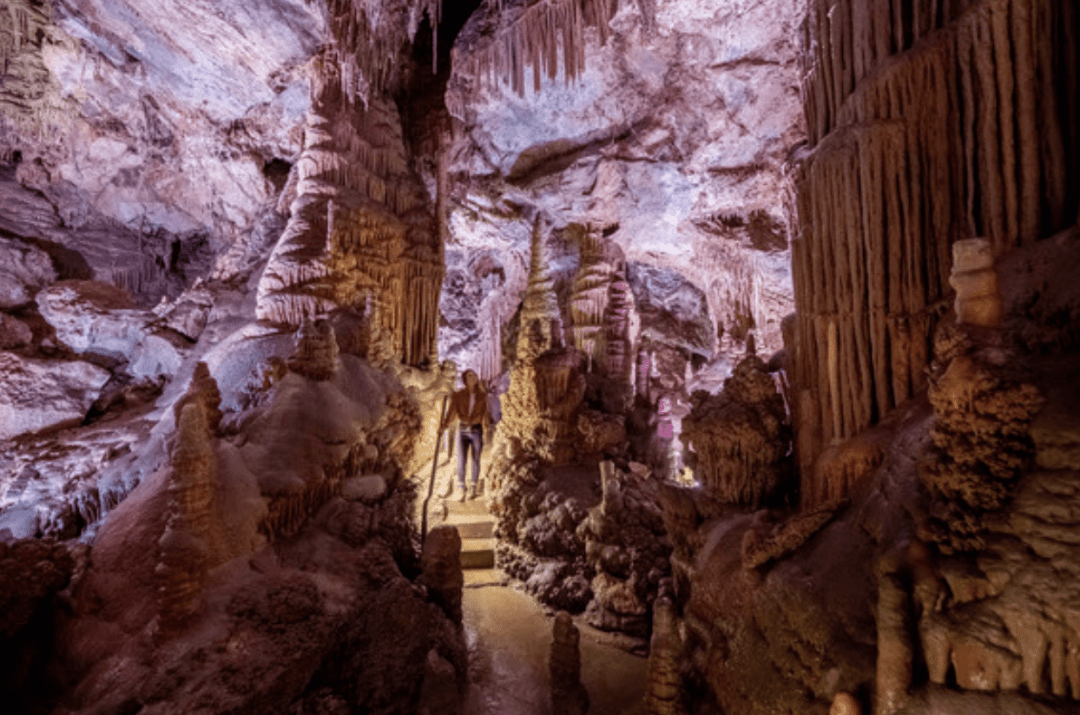
Lewis & Clark Caverns State Park announces tours for 2025 season Tours offered starting May 1

WHITEHALL – Staff at Lewis & Clark Caverns State Park are pleased to reopen the cave and the upper visitor center for the 2025 season starting May 1.

In addition to tours of the cave, the park offers a variety of other recreational opportunities, including camping, trails, interpretive programs, a gift shop, café and much more.

Cave tours will be offered May 1 through Sept. 30. All cave tour tickets will be reservable until the day of, and any unsold tickets will then become available on a first-come, first-served basis at the park. Reservations can be made online at fwp.mt.gov/stateparks or by phone at 1-855-922-6768. Visitors are encouraged to check the website frequently as tour options, times and availability may change throughout the season. Tours cannot be reserved by calling the park directly.

The campground and trails are open, and the showers, comfort station and water stations will reopen as weather allows.

Paradise Tour

The Paradise Tour includes a view of the largest and most decorated room in the cave—the Paradise Room. This 1-mile tour lasts 90 minutes. It includes 15 stairs between two rooms, but the path is mostly level and wheelchair accessible. Because the Paradise Tour provides better accessibility and easier passage, this tour may be preferable for visitors with small children, claustrophobia, or those who prefer a less arduous experience. Tickets for the Paradise Tour are $10 for visitors ages 62 and older, $15 for visitors ages 15 to 61, $10 for kids ages 5 to 14, and free for anyone 4 or younger.

Classic Tour

The Classic Tour features a 2-mile journey through the majority of the developed cave and includes the second-largest and longest rooms on the cave tour. This tour lasts two hours and includes more than 600 stairs, stooping and tight squeezes. It is not recommended for visitors with claustrophobia or those with mobility limitations.

Tickets for the classic tour are $15 for visitors ages 15 and older, and $10 for kids ages 5 to 14. Children ages 4 or younger are not allowed on the Classic Tour.

Planning your visit

Lewis & Clark Caverns State Park is a full-service park offering a wide variety of recreational activities, including an extensive trail system for hikers and bicyclists, a large family-friendly campground with a playground and bathhouse, two visitor centers, a café serving hot and cold meals, gift shop, amphitheater, and many interpretive programs and features in addition to cave tours. Camping options include electric and non-electric sites, cabins, a wall tent, and hiker/biker sites. Access to the Jefferson River for floating or fishing is available through several nearby fishing access sites. The cave itself features one of the most decorated limestone caverns in the Northwest, filled with spectacular stalactites, stalagmites, columns and helictites.

During the summer season the upper visitor center, café and gift shop will be open seven days a week from 9 a.m. to 5 p.m. The gate for the scenic drive to the upper plaza, roadside picnic areas and Greer Gulch Trailhead will be open seven days a week from 8:30 a.m. to 5:30 p.m. May through September.

An $8 entrance fee is required for visitors who are not residents of Montana and not staying in the campground. Residents of the state normally pay the fee with vehicle registration.

Bats occupy some rooms that are part of the Classic Tour. Bats can be susceptible to pathogens carried by people. For this reason, visitors are asked not to wear any clothing, shoes or accessories—including glasses, jewelry and cameras—that have been in another cave or mine in the past two years. This helps protect bat populations at the Caverns. White-nose syndrome, a fungus capable of killing entire bat colonies, can be transmitted easily and does not come out of clothing or other materials with normal washing methods. While it does not affect humans, it could have significant impacts to the cave ecosystem.

Lewis & Clark Caverns State Park is about 15 miles southeast of Whitehall along Montana Highway 2. For more information about the park, click here or call 406-287-3541.

Add a Comment »

Deputies Searching for Armed Suspect Following Vehicle Theft

In a follow-up to an earlier release, law enforcement confirms that Travis Kamps, a 40-year-old resident of Belgrade, has been taken into custody and formally charged with felony theft following an incident that occurred this morning on Baker Street.

According to initial reports, at about 6:30 AM today, Kamps allegedly stole a vehicle from a residence while the owner was present. The vehicle owner witnessed the theft and pursued the suspect until Kamps abandoned the vehicle and fled on foot. Witnesses reported that Kamps may have been in possession of a rifle at the time he fled.

A coordinated response involving the Gallatin County Sheriff’s Office, Belgrade Police Department, and Montana Highway Patrol initiated an extensive search of the area. After several hours, Kamps was located on Countryside Lane and taken into custody without incident.

The Sheriff’s Office would like to thank Belgrade Police Department, Montana Highway Patrol and the public for the help provided during this investigation.

                                                                      ###

The suspect from this morning’s search in Belgrade has been taken into custody without incident. There is no ongoing threat to the community. Additional information will be shared as it becomes available.

--------------------------------------------------------------------------------------------

In the early morning hours of Sunday, April 20, Gallatin County Sheriff’s Office deputies responded to a report of a stolen vehicle. The suspect later abandoned the vehicle and fled on foot, reportedly carrying what appeared to be a rifle.

Deputies are actively searching the area and have issued a shelter-in-place advisory for residents in the 2600 block of Amsterdam Road in Belgrade.

The suspect is described as a white male, approximately 6 feet 3 inches tall, weighing around 225 pounds, with brown hair and brown eyes. He was last seen wearing a tan hat, blue jeans and a grey coat. He is believed to be armed with a rifle.

If you see someone matching this description or notice suspicious activity in the area, please call 911 immediately. Do not approach the suspect.

The Gallatin County Sheriff’s Office will provide updates as new information becomes available.

Add a Comment »

Friday, Apr. 18th, 2025

Measles Cases Confirmed in Montana

4/29/25 Update

The Gallatin City-County Health Department (GCCHD) has confirmed two additional measles cases among household members of previously identified cases in Gallatin County, bringing the total number of cases to seven. These individuals, who were not immunized against measles, were being monitored for symptoms while isolating at home.

########

The Department of Public Health and Human Services (DPHHS) and the Gallatin City-County Health Department (GCCHD) are reporting Montana’s first cases of measles since 1990.

The GCCHD is investigating five confirmed cases of measles. The individuals are children and adults who were exposed to measles while traveling outside of Montana. The cases reside in Gallatin County and are currently isolated at home. All five individuals are unvaccinated, or vaccine status is unknown. The GCCHD continues to assess any potential exposures while the individuals were contagious and are contacting the people who may have been exposed. People potentially exposed are being provided with information about the exposure date and disease symptoms to watch out for.

The GCCHD has determined that there are points of exposure to the general public. Potential exposures to the public can be found on the GCCHD website and will be updated as needed or as more information becomes available. The spread of measles can occur before people know they have the disease, and before any rash appears. The times listed on the website include the period when the exposure occurred and two hours after.

Individuals who are immune to measles through vaccination, laboratory evidence of immunity, laboratory confirmation of disease, or were born before 1957 are not considered at risk for infection. Individuals without prior measles infection or vaccination have a 90% likelihood of contracting the disease if exposed.

“While it is unfortunate to have cases of measles after 35 years of disease inactivity in Montana, we have been working diligently with our local partners to prepare,” said DPHHS Public Health Physician, Dr. Maggie Cook-Shimanek. “We are confident that our public health and clinical partners will work together and address this situation as quickly as possible. It is important for everyone to know their vaccination status and to visit with their health department or health care provider if they are unsure.”

If you are unsure of your vaccination status, here are a few places you can review:

• Call your old high school, college, or university and ask if they have vaccination records.
• Contact your doctor’s office, urgent care, or pediatrician. Even if you have not been there in years, they may still have records.
• Reach out to the health department where you grew up.
• Check your home state immunization registries.

Measles is a highly infectious airborne disease that typically begins with a fever, cough, runny nose, red eyes, white spots in the mouth, and a red rash that appears about 14 days after exposure. The rash usually starts on the face and spreads downward to the rest of the body. It is particularly dangerous for infants for whom vaccination is generally not recommended until 12 months of age. Maintaining a high level of vaccination in the community helps protect infants who are too young to be vaccinated, as well as individuals who cannot be vaccinated for medical reasons.

“Measles is highly contagious and highly preventable with vaccination, and ensuring people are immunized remains our best defense. If people are unable to find their vaccine records, there are no contraindications to receiving an additional dose,” said Dr. Peter Bulger, GCCHD Medical Director.

Measles continues to be prevalent in many regions worldwide, resulting in an estimated 300 deaths every day. Cases in the U.S. are generally rare but have been increasing in recent years.

The best way to protect against measles is vaccination. No changes have been made to the existing measles, mumps, and rubella (MMR) vaccine recommendations in the United States. Two doses of MMR, a measles-containing vaccine that protects against measles, mumps and rubella, are 97 to 99 percent effective in preventing measles. Measles vaccines have been available in the U.S. since 1963, and two doses have been recommended for children since 1989.

If you are in need of the MMR vaccine, please call your primary care physician as soon as possible. GCCHD does have MMR vaccine available, please call 406-582-3100 to make an appointment.

“We are actively working with individuals who are experiencing symptoms,” said Lori Christenson, Gallatin City-County Health Officer. “We greatly appreciate the cooperation of those involved in helping mitigate further exposures. We encourage anyone who is not vaccinated or unsure of their vaccination history to consider vaccination and to contact your health care provider or GCCHD. By getting vaccinated we protect ourselves and others around us from infection.”

For more information about measles and the measles vaccine, visit the state health department’s website. Additional information can also be found on the CDC’s website.

Add a Comment »

News Comments