Thursday, Aug. 6th, 2026

Study finds severe snow drought more frequent in western U.S. due to climate change


BOZEMAN
– A team including a Montana State University snow scientist has published research showing that a severe snow drought, like the one that affected the western U.S. in 2026, would occur four times less frequently during the preindustrial period than in the current era of climate change.

The findings were published July 20 by the journal Proceedings of the National Academy of Sciences. Marianne Cowherd, assistant professor in the Department of Earth Sciences in MSU’s College of Letters and Science, together with scientists from the University of Wyoming and Colorado School of Mines, conducted the study.

“What we experienced this spring was really strange, and we wanted to use the tools that we have available to increase our understanding of climate and snowpack,” Cowherd said. “When Bridger Bowl closed early and it was warm in February, people wanted to know if this is because of climate change or is this variability from a normal year? We can use statistics to answer that question.”

Operating under the premise that climate change is human caused, a presumption that Cowherd said has been established in previous studies, the team set out to quantify just how unusual the winter of 2026 was in the study area encompassing 11 Pacific and Mountain West states, including Montana. Using a physics-based computer weather model that incorporates satellite observations and measurements of the amount of liquid water in a snowpack, the team compared the recorded snowpack levels on March 15 for every year in that time span. The results indicated that while the 2026 snowpack did not represent a record low, it measured at or below the 10th percentile across the study area since 1987 – the lowest observed in the western U.S. in that 40-year period.
The team then verified that its computer model could reproduce the 2026 western U.S. snow drought before proceeding to simulate winters under two different climates. The first was today’s climate, from the year 2016 projected out to 2036. The second was the climate of the preindustrial world from 1850 to 1900, before large-scale, human-caused carbon emissions were a factor. Cowherd said that the model’s simulations helped researchers understand what the climate was like in the preindustrial period and established statistical distribution, which is useful for understanding if a drought like 2026’s would have occurred without climate change.

The models predicted that snow drought would occur every 6.8 years in the current climate but once every 30 years in the preindustrial climate.

“We found it is not impossible for these types of events to happen without climate change, but they’re so much more rare,” Cowherd said.

Add a Comment »

Wednesday, Aug. 5th, 2026

How to Rework Your Budget When Housing and Everyday Costs Increase


Housing costs have increased in many communities, while groceries, utilities, transportation, and other everyday expenses continue to put pressure on household budgets. Even people who once felt comfortable managing their finances may find that their monthly income no longer stretches as far as it used to.

Budgets can be adjusted as financial circumstances change. Reviewing where money goes, adjusting spending priorities, and making thoughtful financial decisions can help households adapt to changing circumstances. Reworking a budget takes planning, but small changes made consistently can have a meaningful impact over time.

Start by Understanding Where Your Money Goes

Before making changes, it's important to understand how money is currently being spent. Many people have a general idea of their monthly expenses but may not realize how quickly smaller purchases add up over several weeks. Looking through recent bank statements, credit card transactions, or budgeting apps can provide a clearer picture of current spending habits.

A helpful approach is to separate expenses into fixed and variable categories. Fixed expenses typically include housing, insurance, loan payments, and other bills that remain relatively consistent each month.

Variable expenses, such as dining out, entertainment, shopping, or recreational activities, often fluctuate and may provide opportunities to reduce spending more quickly without affecting essential needs. Larger expenses, such as housing, transportation, or insurance, may also offer savings when changes or renegotiation are possible.

Tracking spending for a full month can also reveal patterns that might otherwise go unnoticed. Instead of focusing on individual purchases, look for categories that consistently exceed expectations. Small but frequent expenses, such as convenience purchases, delivery fees, or recurring digital services, often have a greater impact than occasional larger purchases.

Understanding these spending patterns creates a stronger foundation for every decision that follows. Rather than making random cuts, households can focus on the categories that offer the greatest potential savings while maintaining their overall quality of life.

Prioritize Essential Expenses Before Everything Else

Once spending has been reviewed, the next step is determining which expenses should always receive priority. Housing, utilities, groceries, transportation, healthcare, and insurance generally form the foundation of a household budget because they support daily living and financial stability.

When costs rise, it can be tempting to reduce spending across every category equally. However, treating every expense the same may create unnecessary challenges if essential needs become underfunded. Covering fixed obligations first also provides a clearer picture of how much money remains available for flexible spending and savings goals.

This process may require temporarily reducing discretionary spending. Dining out less often, postponing nonessential purchases, or choosing lower-cost entertainment options can create additional room in the budget without affecting necessities. Smaller adjustments made consistently are often easier to maintain than dramatic lifestyle changes that quickly become difficult to sustain.

Prioritizing essentials also makes future budgeting decisions easier. Once core expenses are accounted for, households can evaluate remaining income more confidently and decide where additional adjustments will have the greatest financial impact.

Review Existing Financial Commitments Before Cutting Essentials

Before reducing spending on essential needs, it's worth reviewing recurring financial commitments that may have changed over time. Some monthly expenses continue automatically without receiving much attention, even though they may no longer reflect current needs or priorities.

Before making deeper cuts elsewhere, consider reviewing:

● Subscription and streaming services,
● Phone and internet plans,
● Insurance policies,
● Existing loan payments,
● Other recurring memberships or automatic payments.

Borrowers with an existing personal loan may also wonder, “can you refinance a personal loan?” Refinancing may reduce monthly payments or the interest rate, but it can also extend the repayment period or increase the total cost of borrowing. Comparing the APR, fees, repayment term, and total cost alongside other recurring expenses can help borrowers determine whether refinancing fits their broader budgeting strategy.

Looking at recurring financial commitments as a whole allows households to identify opportunities for savings before reducing spending on necessities. Even modest reductions across several monthly obligations can improve overall budget flexibility.

Find Practical Ways to Reduce Everyday Costs

Adjusting a budget does not always require major lifestyle changes. Many households find that consistent, practical habits produce meaningful savings over time while allowing them to maintain much of their normal routine.

Meal planning is one example. Creating grocery lists before shopping, preparing meals at home more frequently, and reducing food waste can help control one of the largest variable household expenses. Shopping with a plan also makes it easier to avoid impulse purchases that increase grocery bills.

Energy use is another area worth reviewing. Turning off unused lights, adjusting thermostat settings, using energy-efficient appliances when possible, and reducing unnecessary water usage can gradually lower monthly utility costs. While each adjustment may seem small on its own, the combined savings often become noticeable over several months.

Transportation expenses can also present opportunities for savings. Combining errands into one trip, using public transportation when practical, carpooling, or maintaining a vehicle properly to improve fuel efficiency can reduce monthly costs while supporting long-term budgeting goals.

Build Flexibility Into Your Budget Going Forward

A budget should evolve as financial circumstances change. Rather than viewing a budget as something created once and forgotten, it helps to review it regularly and make adjustments whenever income or expenses shift.

Building flexibility into a budget also means preparing for future changes instead of reacting only after costs increase. Setting aside even a small amount each month for unexpected expenses can reduce financial pressure when repairs, medical bills, or other emergencies occur. Consistency matters more than the amount, since regular contributions gradually strengthen financial resilience.

It's equally helpful to anticipate seasonal expenses such as holidays, back-to-school shopping, higher utility bills during certain months, or annual insurance payments. Planning for these predictable costs throughout the year can reduce the need to make sudden budget adjustments when they arrive.

Most importantly, budgeting should remain realistic. Reviewing the budget every few months, or whenever a major financial change occurs, helps ensure spending continues to reflect current priorities rather than outdated assumptions.

Making Your Budget Work in a Changing Economy

Rising housing and everyday costs can make budgeting more challenging, but they do not necessarily require starting over from scratch. Understanding spending habits, prioritizing essential expenses, reviewing recurring financial commitments, and identifying practical ways to reduce costs can help households adapt to changing financial conditions.

Every financial situation is different, so the best budgeting strategy is one that reflects individual needs and priorities. Making gradual, informed adjustments and reviewing the budget regularly can help create a spending plan that remains both realistic and sustainable as circumstances continue to change.


Add a Comment »

Tuesday, Aug. 4th, 2026

Montana State conference to explore possibilities and challenges of artificial intelligence


BOZEMAN
– Montana State University will host an interdisciplinary symposium Oct. 1-2 to explore the possibilities and challenges of artificial intelligence for human knowledge.

“The Future of AI” conference, sponsored by the Interdisciplinary Institute on Artificial Intelligence at MSU, will be held on campus. Attendance includes lunch and an evening reception on Thursday, and a light breakfast and coffee on Friday. The event is free and open to the public, but registration is required.

“The rise of artificial intelligence has fundamentally transformed how knowledge is created, shared and understood while raising profound intellectual questions that cut across every discipline and field of inquiry,” said Doralyn Rossmann, co-founder of the Institute on Artificial Intelligence and dean of the MSU Library. “As AI becomes increasingly embedded in research, education and public life, we must carefully examine its implications for the production of knowledge and truth.”

The event will feature MSU experts and guest speakers from across the nation to address topics including the modes of research and creative work that are possible with AI, how AI will affect the transmission and preservation of human knowledge, whether AI will be a reliable source of knowledge and whether AI poses a threat to having an informed citizenry.

The conference is designed to allow colleagues to reflect on the opportunities and challenges for conducting research and creative inquiry in the age of AI. A series of moderated workshops will allow for interaction between participants and speakers, and will focus on strategies for universities, nonprofits and businesses to address major questions raised by AI.

Guest speakers are Edward L. Ayers, president emeritus, University of Richmond; Tracy Camp, director, Computing Research Association; Bruce Holsinger, professor of English, University of Virginia; Pietro Perona, Allen E. Puckette Professor of Electrical Engineering and director of Information Science and Technology, California Institute of Technology; Jeffrey Reed, independent scholar, Yellowstone Forever; Elham Tabassi, director of artificial intelligence and emerging technology, Brookings Institution; and Kate Zwaard, executive director, Coalition of Networked Information.

"We have a lot to learn about AI and its implications for Montana and the U.S.,” said William Thomas, co-founder of the Institute on Artificial Intelligence and dean of MSU’s College of Letters and Science. “I'm excited we are bringing some of the world's leading AI scholars and thinkers to MSU. Anyone interested in AI will not want to miss this conference."

More information, a complete schedule of events and the registration link are available online at www.montana.edu/ai/the-future-of-ai/.

Add a Comment »

Thursday, Jul. 30th, 2026

How FNAF Collectibles Have Evolved Alongside the Game Franchise


Five Nights at Freddy's started with surveillance screens, locked doors, power limits, and animatronics that felt clinically still until they moved. Its collectibles have followed that growth, from basic character goods to vinyl figures, plush lines, pins, keychains, and limited releases. Each format now reflects a different phase of the franchise, giving fans physical reference points for designs, story turns, and character memories that still shape our response.

Early Fan Demand

The first licensed wave of FNAF collectibles answered a clear demand: players wanted Freddy, Bonnie, Chica, and Foxy outside the monitor. Early pieces favored front-facing poses, familiar colors, and immediate recognition. That approach fit a series where fear came from repeated sightings, fixed camera angles, and faces that seemed too close.

Mascots Became Shelf Icons

Freddy's original cast translated well because their silhouettes were unusually legible. A hat, hook, bib, ears, or jawline could identify a character before details appeared. That matters in collectible design, where recognition often happens at shelf distance. The figures kept the mascots readable while preserving the uneasy contrast between party-stage charm and predatory stillness.

Plush Took Over

Plush formats changed the emotional temperature of the franchise without softening its identity too much. Rounded fabric, embroidered eyes, and consistent sizing made the characters easier to collect and display. At the same time, Golden Freddy, Toy Bonnie, Shadow Freddy, Cassie, and other plush releases kept enough visual tension to feel tied to the games.

Limited Drops Changed Buying Habits

Limited releases altered the way fans watched new product cycles. A figure became time-sensitive, and a sold-out page became evidence of demand. Fredbear and Spring Bonnie, Ennard, Circus Baby, plus Nightmare characters all show how scarcity entered the habit. Collecting began to involve timing, research, and careful tracking, not just preference.

Later Games Expanded Character Range

New games expanded the cast, and merchandise followed suit. Toy Freddy, Toy Chica, RWQFSFASXC, The Mimic, Gregory, and other later figures reflect more than simple character variety. They show how collecting became tied to eras, mechanics, narrative clues, and shifts in design language across the franchise.

Pins And Keychains Added Scale

Smaller formats gave fans practical ways to collect without needing much display space. Pins and keychains convey a clear character signal on compact surfaces, making them well-suited for backpacks, desks, lanyards, or narrow shelves. A DJ Music Man pin or Shadow Freddy keychain can still mark allegiance to a favorite design.

Horror Designs Became Bolder

The Nightmare line pushed sculpting into sharper teeth, broken forms, darker colors, and more aggressive postures. Nightmare Freddy, Nightmare Bonnie, Nightmare Chica, Nightmare Foxy, and Nightmare Fredbear show how intense designs can become display objects. These releases suit fans drawn to the franchise's harsher visual side, where distortion carries the fear.

Character Variants Added Depth

Variants gave familiar characters renewed collecting value. Chocolate Chica, Easter Bonnie, Freddy Popcorn, Cake Freddy, and Party Mr Cupcake work because the base identities are already established. A seasonal color, food cue, or party reference adds personality without asking fans to learn a new role. Recognition comes first, then the twist hits.

Prices Set Clear Tiers

Current pricing patterns create practical collecting tiers. Many nine-inch plush releases sit near $29.99, while five-inch keychains often appear around $22.99. Pins tend to list near $11.99. Larger vinyl pieces can cost more. Those tiers help collectors balance shelf space, budget, character priority, and format preference with fewer surprises.

Fan Culture Drives Detail

FNAF fans notice small visual cues because the games require close observation. Eye color, accessory placement, naming, and posture can all convey story details. Collectibles respond to that habit by treating minor characters with care. A side figure may matter as much as a mascot when it connects to a theory, scene, or reveal.

Conclusion

FNAF merchandise grew with the franchise because the games kept adding memorable designs, tonal shifts, and story signals. Collectibles now read like a physical timeline, moving from classic mascots to plush variants, pins, keychains, and limited figures. Each release preserves a specific piece of the series. For fans, the value sits in memory, recognition, and the characters that still follow us after the screen goes dark.

Add a Comment »

Wednesday, Jul. 29th, 2026

Montana State football to visit White House to celebrate national championship


BOZEMAN
— The Montana State University Bobcats football team will be in Washington, D.C., July 29, 2026 to be honored at the White House, capping a championship season that ended with the program’s first national title in 41 years.

The Bobcats beat Illinois State 35-34 in overtime Jan. 5 at FirstBank Stadium in Nashville, Tennessee, to win the Football Championship Subdivision title. It was MSU’s first national title since 1984.

“This is a tremendous honor for our entire university and for the state of Montana,” MSU President Brock Tessman said. “Forty-one years is a long time to wait, and our players, coaches and staff earned every bit of this moment through their hard work and determination all season long. We're grateful for the opportunity to be recognized on a national stage once again.”

“Teams at every level of competition, in nearly every sport, have for years been invited to the White House to be recognized for their achievements, and we are all extremely proud that the Montana State Bobcats will join in that tradition,” said Leon Costello, MSU’s director of athletics.

“We also, especially, want to thank the Bobcat donors who supported the trip,” Costello added. “Our student-athletes have this opportunity because of their generosity.”

Montana State finished the season 14-2, defeating Yale, Stephen F. Austin and the University of Montana in the playoffs before beating Illinois State for the title. It was the program's third championship-game appearance in five seasons.

"Our players will remember this trip for the rest of their lives, and they've earned it," head coach Brent Vigen said. "This group answered a hard championship loss two years ago by fighting their way back to the championship game, competing against a tough opponent and finishing the job in overtime. That says everything about who they are."

Add a Comment »

Harrison men plead guilty to multiple wildlife violations in three Montana counties

HARRISON – Two men from Harrison were convicted of multiple hunting violations in Jefferson, Madison and Gallatin counties.

Jeremy Michael Hill and Ryan Francis McGuire faced several charges after the two men were found to have killed multiple deer illegally over several years.

Game wardens with Montana Fish, Wildlife & Parks conducted a yearlong investigation into Hill and McGuire following a report from a concerned witness about a wasted whitetail buck found in Hill’s possession. The investigation revealed evidence that Hill, over a three-year period, killed multiple antlered deer each year. Hill also used hunting licenses issued to family members to tag illegally harvested deer.

McGuire aided and abetted Hill as they hunted deer from a vehicle after legal shooting hours.

Their charges included unlawful possession of a game animal, hunting or killing overlimit on deer, unlawful hunting from a public highway, unlawful hunting from a vehicle, unlawful use of equipment while hunting (spotlighting), waste of a game animal, failure to obtain landowner permission for hunting, and failing to validate a general deer license.

Hill was sentenced to a 36-month hunting and fishing privilege suspension and fines totaling $2,980. McGuire was sentenced to a 24-month privilege suspension and fines totaling $670. Montana is part of the interstate wildlife violator compact where violators who lose privileges in one state lose them in all 50 states.

Montana game wardens rely on members of the public being good witnesses in the field and reporting wildlife violations when they happen. Anyone with possible information about crimes against wildlife or state lands is encouraged to visit tipmont.mt.gov to provide details. You may be eligible for a reward of up to $1,000.

Add a Comment »

Monday, Jul. 27th, 2026

Hundreds celebrate grand opening of Combined State Labs building at Montana State

The Montana State University Wool Lab and Combined State Laboratories in Bozeman, Mont. MSU Photo by Marcus "Doc" Cravens

BOZEMAN
— Hundreds of people, including Montana State University faculty, staff, students and alumni, along with community members, legislators and industry professionals, gathered Friday to celebrate the completion of the Combined State Labs building. 

The tri-lab agricultural facility, located on the west side of South 19th Avenue, brings together MSU’s Montana Agricultural Experiment StationWool Lab, the Montana Department of Livestock’s Veterinary Diagnostic Lab, the Montana Department of Agriculture’s Analytical Lab

Established at MSU in 1947, the Wool Lab provides wool testing and research services for sheep producers throughout Montana and the region. The laboratory evaluates wool quality and sheep genetics to help producers improve flock performance, maximize wool value and remain competitive in the marketplace.  

Previously — and famously — headquartered on campus in the little white house near the 11th Avenue roundabout, the Wool Lab is collaboratively managed by MSU’s Department of Animal and Range Sciences and the Montana Agricultural Experiment Station. The lab also serves as a key facility for training animal science students and conducting outreach with sheep producers.  

The Veterinary Diagnostic Lab supports veterinarians, livestock producers, wildlife managers and government agencies in identifying and monitoring animal diseases. Accredited by the American Association of Veterinary Laboratory Diagnosticians, the laboratory also supports public health through testing for zoonotic diseases and by helping ensure the safety of animal products such as milk and eggs.   

The Analytical Lab provides testing and analytical services that support Montana agriculture and environmental stewardship. The laboratory analyzes feed, fertilizer, pesticides, groundwater and other samples used by producers, researchers and regulatory programs across the state.   

The event’s emcee, Montana Department of Livestock Executive Officer Mike Honeycutt, said the joint facility represents decades of work and “a great partnership” between these three Montana agencies.  

Partnership was a theme throughout the ceremony — not only among the three organizations that share the facility, but also with the producers, industry partners and communities that benefit from the laboratories' research, education, outreach, testing and diagnostic services.  

MSU President Brock Tessman said the university's commitment to agriculture includes conducting research that benefits Montana producers and communities while serving every part of the state.  

“MSU is proud to be part of the agriculture community,” Tessman said. “You can dream bigger, achieve bigger and make a greater impact through partnership.”  

Sreekala Bajwa, MSU’s vice president for agriculture, dean of the College of Agriculture and director of the Montana Agricultural Experiment Station, said the facility creates new opportunities for education, research and collaboration while expanding the university's ability to support innovation and strengthen Montana's agricultural sector.  

“This is not just a building, but a testament to what we can achieve,” said Bajwa.  

Montana Gov. Greg Gianforte and U.S. Sen. Tim Sheehy emphasized the importance of investing in agriculture.  
“In Montana, agriculture is the fabric of our world,” Gianforte said. “It’s time that our facilities supporting our producers reach that same world-class level.”  

Sheehy also praised Montana agriculture and the new facility's role in supporting producers.  

“It is incredibly powerful to feed ourselves and the nation,” said Sheehy, speaking to the work of multi-generation producer families. “I am proud of this state’s role in the land-grant mission.”  

Following the opening remarks and ribbon-cutting, attendees toured the new facility and learned about the expanded capabilities now supporting producers and researchers across Montana.  

Brent Roeder, manager of the Wool Lab, said opening the facility is important for new research and teaching opportunities within the wool industry. As one of only two university-associated wool laboratories in the nation, the MSU Wool Lab plays an important role in supporting sheep producers while advancing research on wool quality and natural fibers.  

Construction of the Combined State Labs building began in 2024. The project was made possible through appropriations approved by the Montana Legislature during its 2021 and 2023 sessions, as well as the Montana Board of Regents' approval of using university land for the shared facility.  

The building replaces aging laboratory spaces, some of which were more than 70 years old. The MSU Wool Lab portion of the project also benefited from private donations secured through the MSU Alumni Foundation

Add a Comment »

MSU Gold Rush T-shirts now available


BOZEMAN
— Montana State University Gold Rush T-shirts are now available for purchase. Fans are invited to wear the shirts during the Bobcats’ Sept. 5 home opener football game against Butler University; this marks the 19th year of the T-shirt tradition.  

MSU fans can buy the locally designed, gold-colored shirts to show their love for the ’Cats during this year’s Gold Rush game. This year’s T-shirt design, created by Angus O’Keefe, builds on the excitement of last year’s national championship. It features a Bobcat logo with the words “Champions Wear Gold” and includes the years of MSU’s national championship-winning football teams: 1956, 1976, 1984 and 2025.

Amy Kanuch, MSU's chief marketing officer, said the Gold Rush tradition helps set the tone for the entire football season.

“We can’t wait to see our students, alumni and fans in a sea of gold in Bobcat Stadium,” said Kanuch. “This promises to be another amazing year of Bobcat football, and this tradition showcases the incredible support of Bobcat fans.” 

Supplies of the Gold Rush T-shirts are limited, and sales begin today, July 24. The shirts cost $20 and are available for purchase at the MSU Bookstore on campus and at the MSU Bookstore at Gallatin Crossing, as well as at Universal Athletic stores in Bozeman, Billings, Butte, Great Falls and Kalispell. They are also available online at msubookstore.org and shop.msubobcats.com

For more information, visit montana.edu/goldrush.  

Add a Comment »

Siskin Island Fishing Access Site: FWP acquisition creates unique conservation and access opportunities on upper Yellowstone River

PINE CREEK – Montana Fish, Wildlife & Parks this month accepted the donation of an 82-acre island complex on the upper Yellowstone River for the creation of a new fishing access site.

The island complex, now known as Siskin Island Fishing Access Site, is accessible by watercraft between Mallards Rest and Pine Creek fishing access sites, about 13 miles south of Livingston. The site was held in fee title by Trust for Public Land after they facilitated a donation from the previous landowners.

The donation of this site to FWP protects critical river and riparian habitat, expands lawful public access and reflects strong community partnership and public input.

Gov. Greg Gianforte and FWP Director Christy Clark joined staff from FWP and Trust for Public Land in a tour of the site on Wednesday.

“It’s great to help cut the ribbon on Siskin Island to expand public access along the Yellowstone for Montanans to fish, float, and enjoy the outdoors,” Gov. Gianforte said. “The Yellowstone River is the longest free flowing river in the lower 48 and we are glad to play a part in keeping this river healthy and accessible for future generations.”

“Montana Fish, Wildlife & Parks is proud and excited to be part of this effort to strengthen wildlife habitat and public access on the upper Yellowstone River,” said FWP Director Christy Clark. “We’re grateful to Trust for Public Land and the previous landowners for their foresight and willingness to bring this island complex into public stewardship.”

“Trust for Public Land is proud to work with Governor Gianforte, Montana FWP, and local landowners and community partners to transfer the newly minted, 82-acre Siskin Island to the state of Montana,” said David Weinstein, Northern Rockies Director for Trust for Public Land. “Now that the island is in public hands, adaptive management will benefit the ecological and recreational values of the upper Yellowstone River in perpetuity.”

The float-in site features a rocky shoreline, mature cottonwood forests, willow thickets, marsh wetlands and open meadows that provide excellent habitat for a variety of wildlife. Side channels through the site also support high-quality spawning and rearing habitat for trout.

FWP plans to manage the site for habitat conservation and public access. Primary access to the island is by floating down the Yellowstone River. Rules for the site include allowing day use, float-in camping at a designated campsite by reservation only, as well as hunting under a weapons restriction. Other rules apply for overnight use.

More information on site rules and a campsite reservation web page will be published on FWP’s website in the coming weeks when finalized.

FWP published an environmental assessment soliciting public comments on the proposed acquisition in March, followed by final approval by the Montana Fish and Wildlife Commission on June 12.

Add a Comment »

Saturday, Jul. 25th, 2026

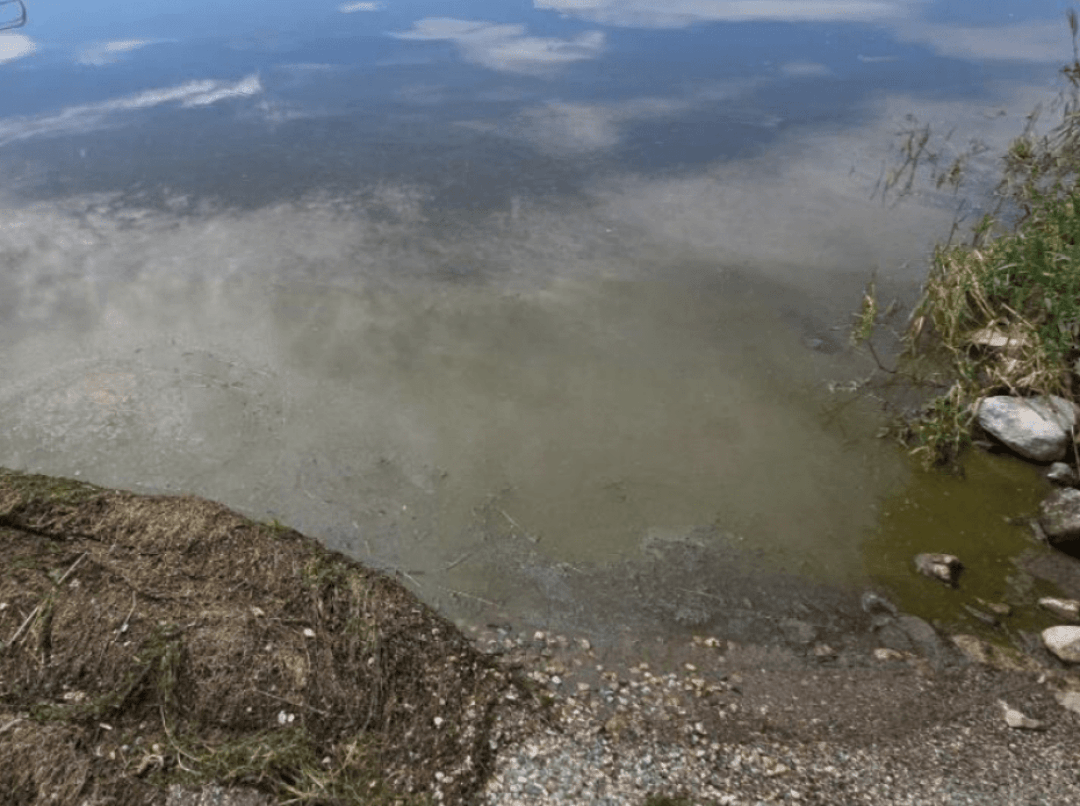
Harmful Algal Blooms Confirmed on Hebgen Reservoir - Advisory Issued


Harmful algal blooms (HABs) are present on Hebgen Reservoir in the Corey Springs area of the Grayling Arm. Routine monitoring of Hebgen has confirmed the presence of anatoxin-a which poses a risk to people, pets, and livestock.

Toxin exposure can occur in humans from recreational activities where water might be ingested such as swimming, wind surfing, jet skiing, and water skiing. Children and pets are more likely to ingest HAB infested water because they spend most of their time wading in the shallow waters where algae can accumulate and they have less control over how much water they ingest. Animals and livestock that drink large amounts of contaminated water, and pets that collect scum on their fur and then ingest it by licking, are at high risk of toxin exposure.

Add a Comment »

News Comments