Wednesday, Oct. 7th, 2020

Livingston Depot Museum Announces New Fall Programs


The Livingston Depot Museum is unveiling two new programs to help parents, caregivers, and students tackle the new challenges of remote learning. Starting October 16th, the Depot will offer FREE FRIDAYS—where anyone under 18 gets free admission. Visitors under 12 years old need to be accompanied by an adult. Learners of all ages are invited to ditch the screen and come explore the rich history of railroading in Montana. In addition to free admission, the Depot will offer activities that give students a chance to dive into local history.

“Rails Across the Rockies: A Century of People and Places,” the Depot’s main exhibit, introduces visitors to the rich history of railroading in Montana, the Northern Pacific, and the grandeur of historic travel to Yellowstone National Park. Also on exhibit “On Track: The Railroad Photographs of Warren McGee,” presents an intriguing selection of photos taken over a six-decade span from the 1930’s through the 1990’s by Livingston native and prolific railroad photographer, Warren McGee.

The Depot is also accepting reservations Mondays through Thursdays for home-school groups, learning pods, or families interested in individual activities. Each guided field trip includes age-appropriate activities designed to engage students as they learn the importance of the railway station in the establishment of our town, and its effects on the current economy and environment.

The vaulted ceilings and the Depot’s spacious atrium provide room for social distancing while enjoying the exhibits, and face masks are required for anyone over the age of 5. Community members are also invited to enjoy the Depot’s beautiful grounds seven days a week as a great place to enjoy a picnic, watch trains rumble down the tracks, and savor the iconic architecture of downtown Livingston.

More information is available through the Depot office at (406) 222-2300, on their website: www.livingstondepot.org, and on facebook: www.facebook.com/LivingstonDepotCenter.

Add a Comment »

Tuesday, Oct. 6th, 2020

Another temporary closure scheduled for Gallatin River near Nixon Bridge

A small section of the Gallatin River will be closed to recreationists this week during a phase of construction on Nixon Bridge, just north of Manhattan.

The closure will be in effect Oct. 7 and 8, from 9 a.m. to 2 p.m. each day. The closure includes the section of the Gallatin River immediately surrounding Nixon Bridge, as well as Nixon Gulch Road.

During this time, construction crews will lift and set the 122-foot-long concrete beams from the transport vehicles. Beams for the north bridge span will be set during this time. Motorists and recreationists are advised to avoid this area during the closure.

For more information about this project, contact the project engineers with Stahly Engineering, Kathy Thompson or Nate Peressini, at 406-522-8594.

Add a Comment »

Thursday, Sep. 24th, 2020

MSU's Center for Biofilm Engineering celebrates 30 years of practical, interdisciplinary research


The microbial slime called biofilm causes hundreds of billions of dollars annually in metal corrosion to pipelines and other infrastructure. Biofilm in urinary catheters accounts for an estimated 30% of all hospital-related infections, resulting in as many as 13,000 deaths per year. Biofilm is a factor in outbreaks of foodborne E. coli, as well as a routine source of household frustration, clogging sink drains everywhere.

Yet until recently there wasn't much of a concept of — or even a name for — the diverse microbial communities that form on surfaces. People in industry called the stuff some variant of the word "gunk." And while microbiologists studied the organisms, they weren’t seen as fundamentally different from other microbes.

Three decades ago, when Montana State University applied for a National Science Foundation grant to start a biofilm-focused research center, "the scientific community hadn't really accepted biofilms yet — their existence let alone their importance," said Al Cunningham, professor in the Department of Civil Engineering in MSU's Norm Asbjornson College of Engineering. Applying for the prestigious grant was "a total long shot," he said. 

But MSU had Bill Characklis, a charismatic engineer who had recognized the untapped possibilities of studying biofilm. And in 1990, MSU was selected as one of only three recipients nationwide for the more than $7 million grant — the largest MSU had ever received at that time.

According to Cunningham, who helped launch what would become known as MSU's Center for Biofilm Engineering, "(Characklis) basically brought together the small biofilm community, with industry, and said to NSF, 'This field has huge potential.' And time has proven that to be the case."

As the Center for Biofilm Engineering celebrates its 30th anniversary this year, MSU researchers say the center is thriving because it remains true to Characklis's vision of an interdisciplinary research community dedicated to solving real-world problems. The founding of the CBE in 1990 "was paradigm-changing," said Matthew Fields, the center's current director. "What it said was, 'Biofilms are unique, and they deserve their own field of study.'"

Thirty years ago, scientists tended to view bacteria primarily as organisms suspended in liquid. Even though bacterial slime clogged pipes, microbiologists’ traditional views didn’t include the idea that bacteria could actually attach to surfaces. Meanwhile, engineers designed things like pipes and had complex mathematics to explain fluid interaction with surfaces but seldom studied the microbes that interfered with their plans. Characklis saw the opportunity to mesh the two fields.

"Bringing in engineering as a way of looking at microbiology was pretty radical at the time," said Nick Zelver, an early Characklis collaborator and now the senior technology manager in MSU's Technology Transfer Office. "Engineering was required to understand what was happening. Why don't the bacteria just get washed off? These were hard problems that nobody really understood."

In an era when academic disciplines were more siloed than they are today, Characklis saw the need to bring together scientists from different disciplines. When Phil Stewart was recruited to the CBE in 1991, the open-endedness of the new biofilm field was exhilarating, he said. "There was a very creative, almost frontier, spirit," said Stewart, now a Regents Professor in the Department of Chemical and Biological Engineering.

Cancer claimed Chracklis's life in 1992 at age 50, but his interdisciplinary, practical approach to biofilm was already paying off. The MSU researchers, using fluid dynamics models, powerful microscopes and other advanced tools, were unravelling the fundamentals of how biofilms structured themselves into complex communities with properties beyond what the single-celled organisms could muster individually.

"We were constantly adapting and bringing in new ideas," said Stewart, who would go on to serve as the CBE's director from 2004 until 2015. "We were also realizing how widespread biofilms could be." Biofilm wasn't just gunk that clogged pipes, but invisibly thin layers of bacteria on medical equipment and countertops, festering wounds that didn't respond to antibiotics, and more.

Stewart published a groundbreaking paper in 1994 showing that bacteria on the surface of a biofilm could neutralize chlorine — the active ingredient in bleach — before the chemical could penetrate the microbial layers. The finding helped explain why biofilms appeared to resist traditional disinfectants and drew interest from companies focused on developing improved cleaning products for households and health care. 

Support from a widening range of industries helped the CBE become self-sustaining as the original NSF grant ran its 11-year course. Today, the center's industrial associates program includes nearly 30 companies, including 3M, SC Johnson and Procter & Gamble. Interaction with industry, including at the annual biofilm meeting the CBE hosts each year, allows CBE scientists to share the latest in biofilm science while gaining ideas for new research that can solve problems.

"These problems have always been there, but now we have more of an ability to understand what's causing them," said Paul Sturman, the CBE's industrial program coordinator. "What we've seen is an increasing recognition that problems that were thought of as just bacteria problems are actually biofilm problems," he said.

Although much progress has been made in the past 30 years to study and treat biofilms, "there's still a lot we don't know," said microbiologist Fields, who became director in 2016. Scientists have a fairly good understanding of a handful of biofilms, but even with those, the closer researchers look, the more complexity they find.

That's why solutions to many of the CBE's earliest challenges have proven elusive. Biofilm corrosion of oil and gas pipelines, for example, remains a problem. Fields’ team was recently awarded a $6 million NSF grant to apply cutting-edge technologies — including gene sequencing, powerful imaging techniques and nanomaterials — toward developing coatings that could prevent biofilms from latching onto surfaces.

According to Cunningham, the growing recognition that biofilm can be understood in order to reduce its worst effects and even harness it for good is a tribute to Characklis's vision more than three decades ago. "It's a testimony to the staying power of the biofilm concept," he said. "And it's what has allowed the Center for Biofilm Engineering to continue and to flourish." 

Add a Comment »

Wednesday, Sep. 23rd, 2020

HRDC’s Fork & Spoon Struggling Amid Pandemic

HRDC’s Fork & Spoon—Montana’s only pay-what-you-can restaurant— continues to serve Bozeman, providing take-out meals Sunday through Friday from 5:00 pm to 7:00 pm. In the start of the COVID-19 pandemic, the restaurant halted asking for donations at the door on its eighty to 100 meals served each night, since most patrons were unable to contribute anything for their meal.


Fork & Spoon is a vital part of HRDC’s response to address hunger in the area. Last week, the restaurant served 530 meals or roughly 90 people each night. About a quarter of these meals go towards feeding individuals in HRDC emergency housing. Since March, Fork & Spoon has served just over 11,500 free meals to community members experiencing hunger.

Adding to Fork & Spoon’s challenges, the restaurant’s catering enterprise has experienced cancellations and a slowdown of profitable business. Before the COVID-19 outbreak, Fork & Spoon Catering was often booked, with proceeds helping to offset the cost of providing free meals at the restaurant. Fork & Spoon now estimates they will lose at least 75,000 dollars or more in gross catering revenue. That number does not account for previously anticipated growth. Moreover, giving is down at Fork & Spoon. Community members are encouraged to support Fork & Spoon by grabbing a meal from the restaurant and paying it forward or by making a donation.

“Prior to the global pandemic, we were serving about the same number of people, but we had a variety of patrons, including folks who were paying it forward. Now, the vast majority of community members we are serving are in need of a free meal. We simply are not seeing the same number of customers who have the capacity to pay. We are still here to feed our community. Those in need of a meal and those with the ability to pay are welcome to come to Fork & Spoon,” says Rick Hilles, Fork & Spoon’s Program Manager.

For more information about Fork & Spoon or to make a donation, visit https://www.forkandspoonbozeman.org. For information about HRDC, visit thehrdc.org.

Add a Comment »

Thursday, Sep. 17th, 2020

MSU Department of Earth Sciences donates fossils to teen who lost collection in Bridger Foothills fire

Adam Mendelsohn and his family watched helplessly on Sept. 5 as distant wildfires crept closer to their house off Jackson Creek Road.

It was just before Bridger Canyon Road closed and mandatory evacuations were ordered as the Bridger Foothills fire raged. The family’s home, which they had lived in for two and a half years, was destroyed that night. They lost everything.

“I was completely terrified and sad and crying a lot,” said Mendelsohn, 13. “But it’s more of the memories and not as much about the house.”

The Mendelsohns went to stay at a family member’s ranch off Bridger Canyon Road. A few days later, buckets in hand, Adam went with his father, Jason, and grandmother, Addie Theisen, to try and extinguish embers across from Theisen’s property and keep more destruction at bay.

Andrew Laskowski, an assistant professor at Montana State University, was struck by the family’s story when he saw it while scrolling through photos on the Bozeman Daily Chronicle’s website.

A caption for pictures of Mendelsohn and his family noted that Mendelsohn lost a large collection of fossils in the fire. “But at least my family is OK,” he told the newspaper.

Laskowski, a member of the Department of Earth Sciences in the College of Letters and Science, brought up the story in a department meeting and suggested they help him rebuild his collection.

“Because I am in the Department of Earth Sciences, I know there are fossils hanging around everywhere, and I was looking for a way to make a difference and help make the situation a little bit better as best as I could,” Laskowski said. “I sent out an email to other faculty members and some grad students to see if anyone had samples to get together.”

On Wednesday, Sept. 16, Mendelsohn and his mother, Ronni, came to MSU to receive the package of fossils. It contained a pouch to help the teen collect more fossils, pieces of petrified wood from across the U.S., bone and shell fossils, and casts of a T. rex tooth and a Deinonychus claw from the Museum of the Rockies. The fossils were donations from the personal collections of faculty members and graduate students.

“I hope this helps you out with the loss of your own fossils. I know when you collect your own it’s probably more valuable than getting gifted specimens, but we really wanted to help rebuild your collection and keep you on that track,” Laskowski said while presenting Mendelsohn with the fossils.

A small group of other members of the Earth Sciences faculty were in attendance. Some explained to Mendelsohn what they donated and where the pieces were from.

“It’s really exciting. When you find fossils yourself, it’s really interesting to see where you can discover them, but when you get them from other people, it just makes it even more special and you’ll always remember where you got them from,” Mendelsohn said.

Mendelsohn, originally from central Florida, has been fascinated by fossils since he first visited the Museum of the Rockies seven years ago while visiting his grandparents. They toured the fossils exhibits, and he was enamored with the specimens and the giant T. rex that commands the room.

Since then, he collected hundreds of fossils and pieces of petrified wood. He even found a wooly rhino tooth and shark teeth in Bridger Creek that ran through his backyard. Although he is not sure about his future, he would like to pursue a career in paleontology when he’s older.

“I think it’s great when the university can do this sort of outreach to our community because we are a part of it, too. And when this stuff happens, MSU is all in,” said Michael Babcock, head of the Department of Earth Sciences. “This is what I love about Bozeman. These are really challenging times for everybody, and it’s great to be able to see so many people come together to help Adam in a time of need.”

Add a Comment »

MSU Wonderlust to be renamed Osher Lifelong Learning Institute

Montana State University Wonderlust, a lifelong learning program that offers a variety of noncredit courses, lectures and more, will be renamed the Osher Lifelong Learning Institute at MSU.

At their Sept. 16 meeting, the Montana Board of Regents approved changing the name, making MSU home to the 124th Osher Lifelong Learning Institute in the U.S. MSU Academic Technology and Outreach received a $100,000 grant from the Bernard Osher Foundation in 2019 to support and enhance MSU Wonderlust. The Bernard Osher Foundation supports lifelong learning institutes across the country for adults age 50 or older who are interested in learning for the joy of learning.

“This is a very exciting opportunity for MSU and the Gallatin Valley,” said Kim Obbink, director of Academic Technology and Outreach. “Based on the high-quality reputation of the Wonderlust program, we were honored to receive an invitation from the Bernard Osher Foundation to become an Osher Lifelong Learning Institute. Bernard Osher’s philanthropy and dedication to lifelong learning is known nationally, and this recognition exemplifies our dedication to the MSU land-grant mission.”

Wonderlust was established in 2002 by a Bozeman citizens’ group that wanted to establish a lifelong learning program for the over-50 population in the Gallatin Valley. Since then, the volunteer group has established a respected program, offering unique and high-quality learning opportunities to people throughout the valley.

MSU was involved in the program from the beginning, offering guidance and operational support, then adopting Wonderlust as a part of MSU Academic Technology and Outreach in 2017. Today, Wonderlust has over 600 members and offers courses, lectures, book discussion groups and travel events every semester.

Obbink said that the new national affiliation will give MSU’s program a wealth of new colleagues, ideas and resources it hadn’t had before to help increase its dedication to serving lifelong learners.

“Wonderlust will still be Wonderlust, just bigger and better,” Obbink added. “We will always honor our Wonderlust roots and we are grateful for the strong foundation that Wonderlust has built. Looking forward, we will continue to build on the quality content of the courses, expand opportunities for volunteers to be involved and look to grow our membership to meet the diverse quest for learning that exists in our community.”

Add a Comment »

MSU Steer-A-Year program seeks donations for 2020-21 academic year


Montana State University’s Steer-A-Year program is seeking financial support as well as donations of steers and feed for the 2020-21 academic year.

A student program in the MSU College of Agriculture, Steer-A-Year focuses on teaching students every element of the cattle management industry through hands-on experience feeding and managing cattle during the fall and spring semesters. Students care for the cattle through the winter and spring, collect data including feed efficiency and weight gain and study elements of livestock marketing. The program also incorporates academic courses such as Beef Production and Livestock Evaluation.

Donated steers are housed at the Bozeman Agriculture Research and Teaching Farm. Once they reach maturity and are ready for harvest, the cattle are sold to MSU Culinary Services, where the meat is served in both the on-campus Miller and Rendezvous dining halls.

Benefits are numerous for students in the program, according to Steer-A-Year manager Hannah DelCurto-Wyffels, an instructor in the Department of Animal and Range Sciences and the coordinator of MSU’s livestock judging team.

“Many of the students who join Steer-A-Year haven’t had the opportunity to raise cattle hands-on before,” said DelCurto-Wyffels. “There are so many elements to the process, and this program allows them to see all of them, from start to finish, while also learning about what factors maximize beef quality and important elements of cattle health at the same time.”

When Steer-A-Year cattle are sold, the proceeds fund travel and competitions for the livestock judging team, as well as facilitate trips for students across the College of Agriculture to attend producer events and meet with industry groups like the Montana Stockgrowers Association and the Montana Farm Bureau Federation. The trips allow for networking for students and the opportunity to learn about career opportunities after they graduate.

Steer-A-Year produced 33 steers during the 2019-2020 school year, which were all purchased by Culinary Services during the spring semester. While the onset of the pandemic required some adjustment of the curriculum and in-person activities, several of the program’s students stayed on through the spring semester to continue caring for the calves. Students who did not remain on campus monitored their steers’ progress through weight data and GrowSafe feed intake technology, which remotely measures how much a steer eats.

Producers who donated steers receive regular reports from the students, including growth and health information and more detailed results after the steers are harvested. Awards are given annually to the producer who donated the best initial feeder steer, the steer with the top rate of gain, the steer with the best feed efficiency and the steer that produces the best carcass.

“This program creates such important partnerships between MSU students and our producers around the state, and it’s so exciting to watch,” said DelCurto-Wyffels. “Now more than ever, we can’t support our local producers enough, and this is just a reminder of how critical these relationships are. Steer-A-Year has truly become a mutually beneficial project, and we are so glad to be bringing it back again this year. That’s one of the incredible things about agriculture: No matter what, it doesn’t stop.”

DelCurto-Wyffels said to ensure success in their new setting, calves should be weaned, castrated and dehorned before they are donated and should weigh 500-800 pounds. The ideal pickup period for calves is the first two weeks of November. Those interested in donating or learning more about the Steer-A-Year program can contact DelCurto-Wyffels at 406-994-3752 or hannah.delcurto@montana.edu.

Add a Comment »

Why Rodent Infestations Are More Common in the Fall and Winter

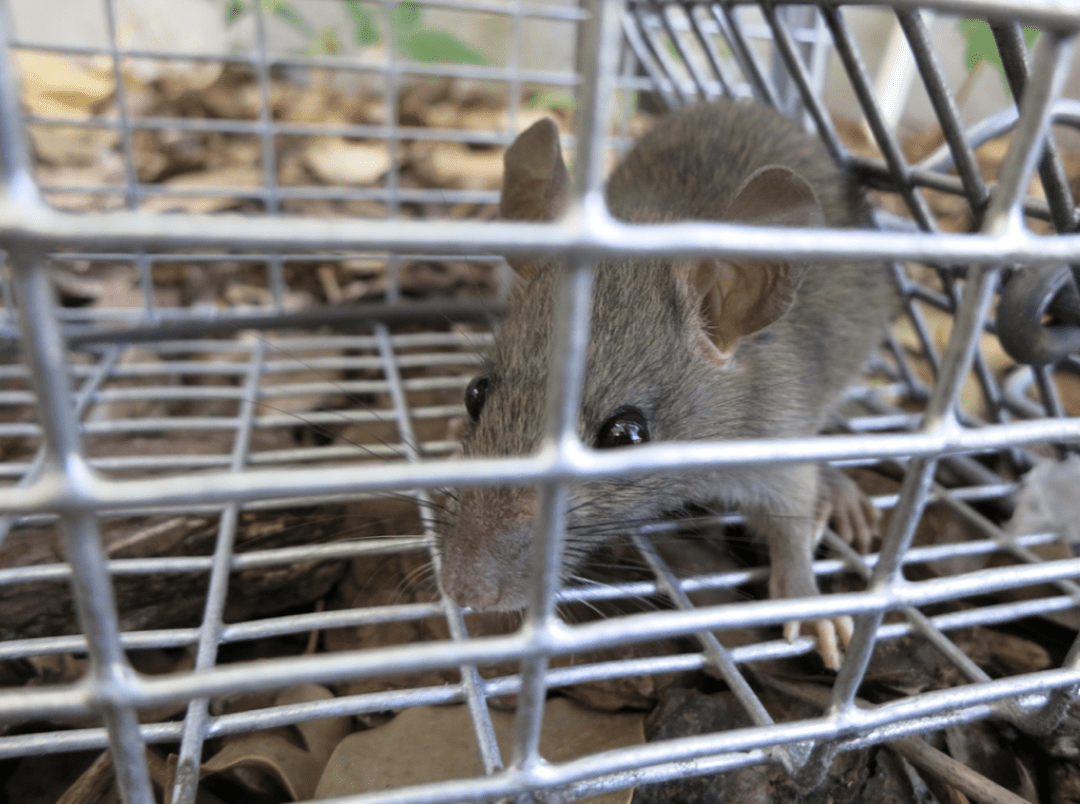
As the temperature begins to fall, humans put on thicker clothes and can easily turn on the heater or start a fire in a fireplace. While some animals also go into hibernation or migrate to warmer climates, other animals have no sophisticated mechanism and have to look for other means to survive. Rodents - especially rats, mice, and squirrels - find their way into homes. The constant chattering and squeaking sounds, along with the scratching and scurrying noise as they move behind the cover of the dark is enough to make any homeowner cringe. 


Let’s find out why rodent infestations are common during this period.

The Mechanism Behind Rodent Infestations in the Fall and Winter
During the summer, the wild is bubbling with life; squirrels scampering from trees to trees, mice, and rats running all over the place. The abundance of food sources, as well as the warmth, makes the wild favorable.

However, as we approach fall, the temperature begins to drop. Not only does it begin to get colder, but food sources start to diminish. Rodents know this and they begin to prepare ahead.

Rodents will begin to find ways to get into homes. A mouse can get through a hole about 6 mm in diameter, while a rat can get through one that’s about 20 mm. Even when there are no crevices or cracks, they’ll look for vulnerable points and gnaw through it to gain access. Squirrels, on the other hand, find their way into elevated parts of the home, like the attic or chimney. To learn more about squirrels in the attic visit squirrelattic.com.

Once they gain access, they build their nests from both external and internal materials. Over the next few months, your home will provide them safety from cold, predators, and it may even provide them with food.

Problems Associated with a Rodent Infestation
But if rodents are only interested in surviving the cold, why are they hostile guests?

√ Structural damages
Once they gain access, they’ll rip off insulation materials and any other material to make their nest. But it doesn’t stop there. They’ll keep chewing on woods, pipes, plastic, wires, and more just to keep the growth of their incisors in check. This reduces the structural integrity of your home.

√ Risk of fire
Rodents that chew on electrical wires open up the risk for the damage of appliances or fire incidents.

√ Diseases
Rats and mice are associated with filth, and with filth comes a plethora of diseases. Some of these include hantavirus, tularemia, lymphocytic choriomeningitis, among many others.

What to Do
Rodents are going to actively look for ways to invade your house as fall and winter approaches - there’s no question about that. What you can do is ensure they do not get access or incentives for staying there. Here are some tips.

√ Seal off all potential entry holes with hardware cloth or caulk and repair all weak points around your house that they can break into.

√ Eliminate all potential food sources. Secure all your foodstuff in aluminum cans. Make sure your trash cans are inaccessible. Clear away seed crumbs from under your bird feeder. Do not leave your pet food outside.

√ Keep a clean environment. Tall bushes or the accumulation of leaves provide them with potential hiding spots.  

√ Be vigilant. If you see droppings, gnaw marks, chewed wires, or you hear noises from the wall or attic, these are all common signs of a rodent infestation. Discovering the problem early enough will make it easier to implement control strategies to get rid of them.

Add a Comment »

Wednesday, Sep. 16th, 2020

Gallatin River to close temporarily near Nixon Bridge

A small section of the Gallatin River will be closed to recreationists next week during a phase of construction on Nixon Bridge, just north of Manhattan.

The closure will be in effect on Sept. 21 and 22, from 9 a.m. to 2 p.m. each day. The closure includes the section of the Gallatin River immediately surrounding Nixon Bridge, as well as Nixon Gulch Road. During this time, construction crews will lift and set the 122-foot-long concrete beams from the transport vehicles. Only beams for the south bridge span will be set during this time.

For more information about this project, contact the project engineers with Stahly Engineering, Kathy Thompson or Nate Peressini, at 406-522-8594.

Add a Comment »

Tuesday, Sep. 15th, 2020

Vote in the Bozeman's Choice 2021 Reader Poll thru Nov 7

Our big, giant, massive, Valley-wide Bozeman's Choice Reader Poll will be up and firing on all cylinders on October 1, 2020. The poll covers everything from local restaurants to local media to news issues to arts & entertainment and everything in-between. And remember! You get to add your own responses that can, in turn, be voted on by everyone else. We hope you like it.

The creative deadline for advertising in the October print issue of Bozeman Magazine is this Sunday 9/20. Please email angie@bozemanmagazine.com for best placement!


Add a Comment »

News Comments