

Friday, Apr. 17th, 2026

6 Ways To Find The Best Custom Paint By Numbers For Personalized Artwork

Image Source
It is quite an exciting idea to transform your favorite picture into a painting, but this process sometimes provokes questions.

Would the end-product be detailed enough?

Will the kit be easy to use? And, most importantly, will it really be a significant creation and not a generic product?

There are far too many choices out there, and one might easily get lost in choosing the appropriate kit. Some are not designed clearly, and others sacrifice materials or convenience. Consequently, this experience can be unsatisfactory.

Nevertheless, the correct strategy can make this choice easier and create something intimate.
This paper will discuss six useful alternatives to discover the most suitable custom paint by numbers kit to create a personalized artwork.

1. Custom or Ready Designs
The ultimate benefit of custom paint by numbers is the option to choose whether to upload your own photo or use pre-designed templates. This option gives you the choice of making the experience either personal or convenient.

As an example, when something meaningful needs to be created, you can transform a favorite memory (a family photo, pet, or a moment on a trip) into a canvas to paint on.

Conversely, when you need simplicity, ready-made designs provide professionally designed patterns that can be easily started with.

Furthermore, this liberty means that the process is appropriate to both novices and seasoned painters. Although custom images can contribute to an emotional touch, pre-designed ones are convenient and consistent.

Thus, the ability to decide between your own photos and the available designs makes the whole experience more pleasant.
 
2. Assess Design Detail Level


 After picking up the picture, the second thing is to think about its ability to be converted into a paintable form.
 
A good custom kit is one that is neither too elaborate nor too simple. In case of the over-complicated design, it might prove challenging to paint. But when it loses its complexity too much, the end image can lose its nature.
 
Due to this, you need to search for kits that have clear areas without confusing the painter.
This makes the process of painting smooth and enjoyable and helps to keep important details intact.
 
3. Test the Kit's Completeness
An effective kit must contain all you require to start now. This will save the cost of buying more materials.

A complete kit usually consists of a pre-printed canvas, acrylic paints, and a set of brushes. All the paint colors must be matched to the numbers on the canvas.

Moreover, a clear structure of the materials is another indication of a better experience. It gives you the time to be creative and not set up.

Consequently, complete checking leads to convenience and efficiency.
 
4. Match Ease to Skill Level

Image Source
Not all kits are beginner friendly. This is why it is necessary to suit the kit to your level of experience.
 
When you are just starting to paint, you should choose those patterns that are simpler to follow, where the numbers are well defined, and the sections can be easily handled.
 
Conversely, when you already possess some experience, you can probably go towards more elaborate designs that provide more challenging work.
 
You can also be engaged without being frustrated by matching the complexity to your skill level.

5. Check Size and Customization
Customization is not limited to the image. The dimensions of the canvas also have an effect on the final result.

The larger canvases usually permit more detail and thus are appropriate to portraits or detailed scenes. Smaller sizes, though, are simpler to finish and are good for simple designs.
There are also kits with framing options, and they can provide your completed work with a better look.

As a result, choosing an appropriate size and format will make sure that your painting fits your vision and the space.

6. Pay Attention to Intention
Lastly, ask yourself why you are following a custom paint by numbers kit at all.
To others, it concerns making a significant present. To others, it is a form of relaxation or a means to exercise creativity.
 
Due to this, the most appropriate kit will be the one that suits your purpose. When you want to relax, use a design that is pleasant, but not too complicated.
 
Likewise, when you are making a souvenir, you should be careful with detail and quality.
With a goal in mind, you can choose a kit that provides you with satisfaction and value.

Conclusion
The ideal custom paint-by-numbers kit does not merely consist of choosing an image. It also involves being careful about detail, quality of materials, and general utility.

Using a high-quality image as a starting point, comparing design clarity, and making sure that the kit is complete, as well as considering how well you can do it, you can make an informed decision.

Also, choosing the correct size and matching the kit to your objective makes it a more valuable experience.

Finally, a right custom paint-by-numbers kit turns a mere activity into a unique artwork, a combination of creativity, relaxation, and permanence.



Add a Comment »

Montana State University Extension launches Profitability in Montana Agriculture podcast series


BOZEMAN
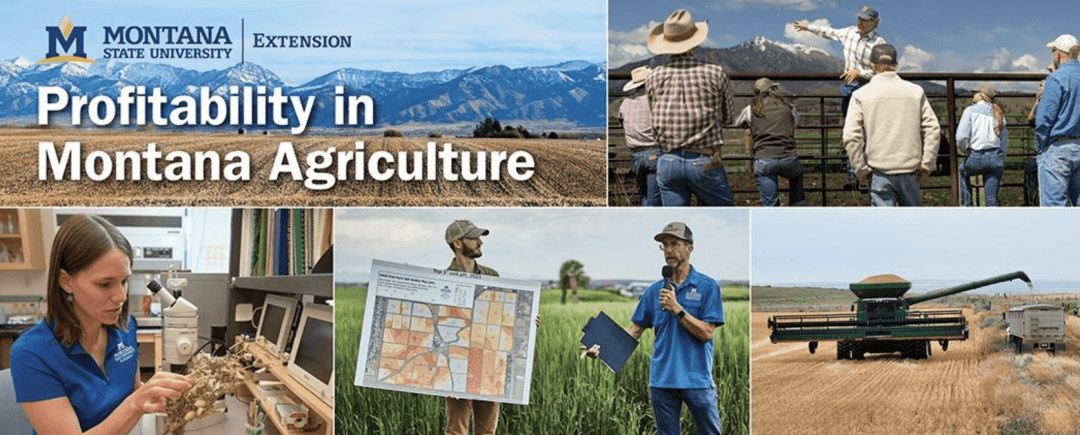
— Montana State University Extension has launched a podcast series, Profitability in Montana Agriculture, that aims to provide information to help farmers and ranchers increase profits and reduce losses. The series includes four episodes highlighting the work of MSU Extension faculty whose applied research and outreach address critical issues in Montana’s agriculture and natural resources industries. 

The podcast is co-hosted by Joel Schumacher, MSU Extension agriculture and natural resources program leader, and MSU Extension Director of Communications John Hawley.

“Farmers and ranchers make management decisions throughout the year on crop varieties, fertilizer application, marketing, equipment purchases, government programs and weed management, just to name a few,” said Schumacher. “The goal of all of these decisions is to have a profitable operation over the long term.”

Each episode features different MSU Extension faculty members discussing topics related to their subject matter expertise, such as integrated weed management, soil science, agricultural economics and livestock production. The episodes are available on Spotify and Apple Podcasts and are listed below.

Invasive Pests, Cropping Systems and their Impacts on Producer's Bottom Line
Featuring: Jane Mangold, rangeland weed specialist, and Tim Seipel, cropland weed specialist 
Effects of Fertilizer Management on Agricultural Profitability
Featuring: Clain Jones, soil fertility specialist
The Economics of Conservation: An Exploration with an Agricultural Profitability Lens 
Featuring: Kelsey Larson, agricultural economics specialist
Exploring Profitability in the Beef Industry 
Featuring: Sam Wyffels, beef cattle specialist 

Resources discussed on each episode, like AgEconMT and other Extension economic tools, provide timely market information and models that support decision making for fertilizer use, leasing, pricing, risk management and more. MSU Extension agents frequently share these resources with farmers and ranchers in communities across Montana.

“The goal of this podcast is to highlight how the research and outreach provided by our 45 subject matter experts and 97 locally based Extension agents improve producers’ bottom line,” said Hawley. “MSU Extension provides educational resources in a variety of formats, but this is the first statewide podcast we have offered.”

More information about the podcast and the work of MSU Extension to address the topic of agricultural profitability can be found at www.montana.edu/extensionecon/agprofitability/.
The Profitability in Montana Agriculture podcast series was recorded using the Podcast and Lecture Capture Suite, which is a resource available in the Teaching and Learning Technology Studio. The suite and other similar resources are made available by the MSU Academic Technology and Outreach team to all MSU faculty, staff and students. 

Add a Comment »

6 Emergency Scenarios Covered By A Mobile GPS Medical Alert

A medical alert system is one of the most thoughtful presents you can get for a vulnerable senior family member. These devices help monitor your loved ones’ health around the clock, enabling them to initiate distress calls during unforeseen medical emergencies.

Premier medical alert system providers supply both at-home and on-the-go monitoring devices. Thanks to this flexibility, you can quickly find a product that suits the intended wearer’s lifestyle.

But to truly unlock the benefits of medical alert systems, it’s best to acknowledge the varied scenarios where these devices may come in handy.

Read below to uncover the six emergency situations where having a senior monitoring system may save the day. The list focuses particularly on mobile GPS-enabled medical alert devices.

1. Unconscious Wanderings

Old age is marked by a gradual cognitive decline. Indeed, many seniors contend with memory-impairing conditions like Alzheimer’s disease.

Alzheimer’s may cause your vulnerable loved ones to venture into places they shouldn’t be.
Whether it’s a busy freeway, open sinkholes, or dense forests, these locations can present existential danger to seniors with cognitive impairment.

Statistics by the Alzheimer's Association indicate that over 60% of people with dementia will wander from their homes at some point. Many do so repeatedly, underscoring the significance of active monitoring.

A mobile GPS medical alert system helps pinpoint a senior’s location on the go. Using real-time feedback from a built-in GPS tracker, you can quickly locate the wearer and safely bring them back home.

2. Outdoor Falls

Cognitive decline isn’t the sole old age problem. Many seniors also grapple with muscle wastage and degenerative bone diseases, such as osteoarthritis.

Most of these conditions are progressive. Which means, they’re incurable and can only be managed.

The gradual weakening of muscles and bones can predispose seniors to falls. And depending on where they lose their balance, the consequences can be devastating.

Modern mobile GPS medical alerts come with fall detection that rings alarm bells when the wearer is immobile. To provide quality data, high-end medical alert systems utilize motion and orientation sensors.

Motion sensors activate upon detecting sudden immobility. Meanwhile, orientation sensors relay feedback when a user assumes certain unusual orientations like lying horizontally, which could indicate an inability to get back up after a fall.
 

3. Sudden Illnesses

Cardiac incidents increase dramatically in sunset years.

Many seniors report occasional chest pains. Some experience full-blown heart attacks, necessitating urgent intervention.

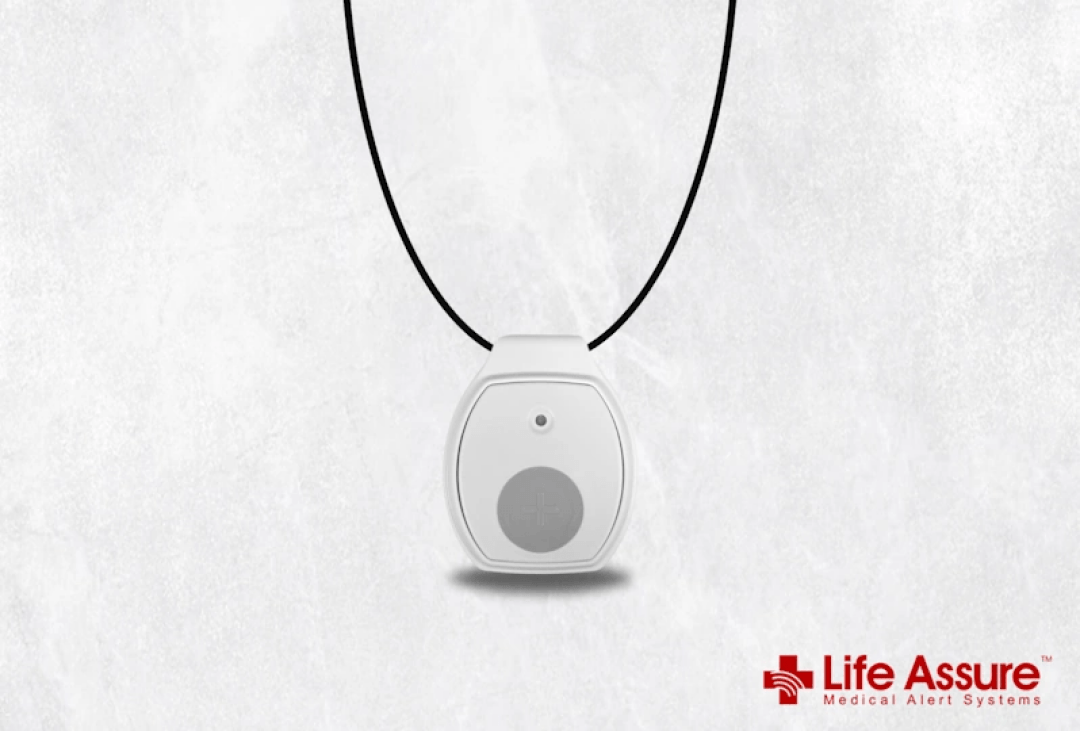
Wearing a mobile GPS medical alert can make a significant difference during cardiac events. In most cases, the wearer simply hits the Call button to report warning signs like dizziness.

The medical alert device would instantly initiate a conversation with an operator in a 24/7 call monitoring center. Professional agents will assess the emergency in split seconds, facilitating the necessary assistance before the situation escalates.

Besides cardiac incidents, mobile GPS medical alerts may also come in handy during seizures, stroke, and acute respiratory incidents like choking.  

4. Sudden Injuries

Your old-timer is strolling through the woods when, suddenly, he trips over a tree stump and bruises their heel. What initially looks like a minor scrape soon becomes life-threatening.

The wound begins bleeding heavily. Dizziness quickly sets in, setting the stage for cardiac arrest.
Fortunately, this is another scenario where a mobile GPS medical alert can save the day.
Mobile GPS devices with fall detection will automatically transmit signals to a monitoring center.

Even if the wearer doesn’t marshal enough strength to press the Call button, remaining still for minutes is enough of a cue that something is out of whack.

5. Fire and Smoke

Fire incidents have become all too common. And along with them come increased carbon monoxide (CO) poisoning risks.

According to recent estimates, unintentional CO exposure accounts for over 100,000 emergency department visits in the United States annually.

14,000 of these ER visits wind up in hospitalizations, while 400 result in deaths.

Fires may be unpredictable. But when they occur, you can rely on a mobile GPS medical alert system to summon a swift response.

Press the Call button as soon as you’re marooned in a fire. If you can, whisk yourself to safety as you await first responders.

6. Home Intrusions

Although mobile GPS medical alert systems are synonymous with medical emergencies, they can come in handy during home invasions too.


If you suspect that your home has been burgled, simply hit the panic button on your wearable pendant or wristband to summon help. This will silently alert the monitoring center and have operators coordinate emergency response before the intruder can even realize you've acted.
If the threat is already close enough, you don't have to use two-way communication. Operators are trained to dispatch emergency response even when you remain silent after initiating initial contact.

Note that even homebound seniors can rely on mobile GPS medical alerts during medical and non-medical emergencies. The device enables the wearer to notify authorities silently, a safer option than making a loud 911 call.

Final Word
While mobile GPS medical alert systems may monitor several emergency scenarios on the go, always research widely while shopping for these devices. Insist on a GPS alert system by reputable brands.

Buy from a supplier with at least 10 years of experience, and preferably one that enjoys tons of positive customer reviews.

Besides, prioritize GPS mobile medical alert devices that include fall detection. This innovative feature is particularly important for seniors with reduced physical stability.

Remember to also maintain your medical alert systems properly to extend their longevity.
Wipe the device down with a soft, damp microfiber cloth to remove dirt and debris. And when recharging it, use the correct charger and strictly follow the manufacturer’s charging guidelines.

Add a Comment »

Wednesday, Apr. 15th, 2026

Consortium of academic libraries in Montana celebrates decade of information access


BOZEMAN
— A consortium of higher education academic libraries in Montana designed to provide better services to users statewide is celebrating a decade of cross-institutional success.

Founded in 2016 to increase efficiency and improve access to resources for students, researchers and communities in Montana, the Treasure State Academic Information and Library Services, or TRAILS, consortium is celebrating its 10th anniversary in 2026. The consortium is committed to enriching higher education in Montana through access to high-quality learning resources and library services. It serves more than 40,000 students at 25 member institutions across the state, saving Montanans millions of dollars annually. The Montana State University Library is one of the consortium’s members.

“TRAILS helps academic libraries across Montana leverage collective buying power to negotiate group contracts for core e-resources,” said MSU Library Dean Doralyn Rossmann. “Consortium members collaborate across institutions to reduce barriers for our users. Every Montanan benefits when we work together.”

TRAILS will hold its annual Academic Library Symposium May 20-22 at Carroll College in Helena with a theme of “Libraries in the Age of (Mis)information.” The symposium is an opportunity for library and higher education professionals to learn about and discuss artificial intelligence and technology, library operations and services, intellectual freedom, public policy and other topics. Presentations will be delivered in person with a virtual attendance option available. Symposium registration is free; attendees are asked to register by Friday, May 1.  

“A decade after the formation of TRAILS, this year’s symposium is an opportunity for celebration,” said Pamela Benjamin, TRAILS executive director and statewide coordinator, who is based at the MSU Library. “TRAILS represents the collective strength of Montana’s academic community, proving that we achieve more for our students when we move forward together.
“Libraries are one of the most important institutions when it comes to navigating the (mis)information landscape,” Benjamin added. “Many TRAILS member libraries are open to the public and offer reliable and authoritative information to all Montanans.”

Benjamin noted that TRAILS is a “powerful equalizer” in the academic landscape and serves every higher education institution in Montana—including tribal and private colleges, the 16 Montana University System campuses and the Providence St. Patrick teaching hospital, plus the Montana State Library.

“By leveraging the strength of this statewide network, TRAILS levels the educational playing field, ensuring that students at Montana’s smallest institutions enjoy the same access to cutting-edge library resources and research tools as those at the state's largest universities,” Benjamin said.

Jerusha Shipstead, Miles Community College library director, said that participation in TRAILS strengthens support for teaching, learning and research.

“Through collaborative purchasing, shared expertise and resource sharing, consortium membership enables our library to provide broader access to high-quality resources in a cost-effective and sustainable manner,” Shipstead said.

In addition to community colleges, the collaborative model is vital to Montana’s tribal colleges, where consistent access to high-level research tools ensures students are fully prepared for the next step in their academic journey, said Adrienne Violett, Chief Dull Knife College library director.

“Woodenlegs Library provides the same academic resources to Chief Dull Knife College students that they can anticipate utilizing when transferring to four-year Montana universities, thus building bridges to success,” Violett said. “This access to academic resources is only possible because of the collaborative negotiations that happen through the TRAILS consortium.”

For more information, visit guides.lib.montana.edu/TRAILS or contact Benjamin at 406-994-4432 or pamela.benjamin1@montana.edu. More information about the symposium is available at trailsmt.libguides.com/2026symposium.

Add a Comment »

Tuesday, Apr. 14th, 2026

MSU Extension soil and farm specialists suggest ways to manage rising fertilizer costs


BOZEMAN
— Rising fertilizer prices are a concern for agricultural producers, according to Andrew Swanson, Montana State University Extension farm management specialist in the Department of Agricultural Economics and Economics, who, along with MSU Extension specialist Clain Jones, have provided some insight for managing fertilizer costs.

“Even though the U.S. produces the majority of its own nitrogen fertilizer, fertilizer prices are susceptible to global shocks, just like Montana wheat prices can be affected by supply conditions in Australia or Canada,” Swanson said.

According to a report from the Center for Strategic and International Studies, approximately 20% to 30% of global fertilizer exports, especially urea, travel through the Strait of Hormuz, trade that has been impacted by the current war. Swanson said trade disruptions have caused current cash urea prices at New Orleans wholesale terminals to rise from $360 per ton in February to almost $650 per ton in March, while urea prices in Montana have risen from $700 per ton to about $1,000 per ton.

Farmers are experiencing tight margins as the price of wheat and other grains has fallen almost 40% since the first year of the Russia-Ukraine War, while input costs remain high. According to Swanson, in a tight margin environment, the most important factor for producers is nitrogen cost per pound. “At $1,000 per ton of urea, a pound of urea costs $0.50. Since urea is 46% nitrogen, a pound of nitrogen costs $1.09 when supplied by urea. This means that each additional pound of nitrogen applied needs to generate at least $1.09 of revenue through higher yields or protein premiums.”

One way to track the needed yield gain from urea fertilizer is to divide nitrogen cost per pound by the local wheat price per bushel, Swanson said.

“Golden Triangle prices for 12% protein winter wheat averaged $5.16 per bushel in February and have increased to $5.52,” Swanson said. “This means a pound of nitrogen in February costs 0.15 bushels, while today it costs 0.20 bushels. If the aim is to grow 12% protein wheat, each additional pound of nitrogen applied per acre needs to increase yield by 0.20 bushels.”

If the Middle East conflict resolves in the coming weeks, Swanson said he still expects price impacts to linger into next year’s growing season.

“Typically, major disruptions like this take at least a year to cool,” Swanson said. “Urea prices for delivery in late summer are $100 to $150 lower than current prices. A permanent ceasefire could drive those lower but likely not to costs seen before the conflict. One way to manage prolonged elevated prices is by prepaying the local fertilizer supplier. Farmers can often negotiate 5% to 10% price discounts through preordering.”

Swanson also mentioned new insurance products. The U.S. Department of Agriculture has now approved margin protection plans for wheat in select Montana counties. This is a more comprehensive insurance product that protects against rising input costs, not just decreases in revenue from reduced prices or yields. Farmers can speak with their local crop insurance agent to learn more.

Clain Jones, MSU Extension soil fertility specialist and professor in the Department of Land Resources and Environmental Sciences, recommends several strategies to optimize dollars spent on fertilizer.

With a range of available fertilizer products, including granular and liquid, it’s important to know the fertilizer cost per pound of nutrient. For example, the nitrogen cost per pound of urea could be compared to the cost per pound of nitrogen for liquid nitrogen, which is generally either 28% or 32% nitrogen. As of April 2, liquid nitrogen costs approximately 10% more than granular nitrogen on a per pound basis, according to the USDA Pacific Northwest Production Cost Report. (Similar calculations can be made for adjustments with phosphorus fertilizers.)

“Producers may be asking how much to cut back on nitrogen fertilizer rates based on increased costs,” Jones said. “MSU has an online small grains nitrogen rate calculator that uses fertilizer costs, grain prices and protein discounts from the USDA to estimate the optimal available soil nitrogen to maximize profit for spring wheat, winter wheat and barley.”

He provided an estimate example using April 2, 2026, values, where a 50 bushel per acre spring wheat crop provides maximum profit when provided 1.8 pounds of available nitrogen per bushel, where available nitrogen is fertilizer plus soil nitrogen to 2 feet. That compares to the optimum of 2.3 pounds of available nitrogen per bushel using early February prices. The difference between applying 2.3 pounds or 1.8 pounds per bushel equates to 50,000 pounds of nitrogen for a farm producing 100,000 bushels of wheat. Producers can use the calculator to calculate optimum nitrogen rates for specific fields, crops and fertilizer costs.

Jones pointed out that minimizing nutrient losses is also important to optimize fertilizer dollars. Volatilization, or loss to the air, of nitrogen fertilizers is likely the largest loss of nitrogen in Montana. Previous MSU research found that, on average, 18% of urea escapes to the air. The loss was much lower when urea was applied shortly before a half-inch of rain fell or when the urea was treated with a urease inhibitor. Liquid nitrogen tends to volatilize somewhat less than granular nitrogen. Placing ammonium-based fertilizers, including urea, at least 2 inches below the soil surface can mostly stop volatilization, according to Jones.

Another potential loss of nitrogen fertilizer is through downward movement below the rootzone, called nitrate leaching. Jones and colleagues have found that replacing summer fallow with pea can greatly reduce nitrate leaching.

Planting legumes, like peas and alfalfa, can also save on nitrogen fertilizer costs because bacteria on legume roots convert nitrogen gas into plant-available nitrogen; these crops don’t need nitrogen fertilizer. Rates of nitrogen can also generally be reduced for crops grown after legumes, Jones added.

“Soil testing in spring, using realistic yield goals when calculating nitrogen requirements and applying conservative nitrogen amounts near the time of seeding, followed by more in-season nitrogen only if spring rains increase yield potential, should also save on nitrogen costs,” said Jones. 

With high nitrogen fertilizer prices, Jones suggested this may be an excellent year for producers to adopt variable-rate nitrogen management. Variable-rate nitrogen allows growers to apply less nitrogen in field areas that do not need as much, either due to lower yield potential or higher residual soil nitrate levels.

Ricardo Pinto, precision agriculture specialist at MSU’s Northern Agricultural Research Center, will be working with producers and collaborators over the next several years to better understand how variable-rate nitrogen can improve nitrogen use efficiency and support producers’ bottom lines. Producers interested in learning more or collaborating on variable-rate nitrogen projects can contact Pinto directly.

Phosphorus fertilizer costs are also much higher. Phosphorus fertilizer is most efficiently used by crops when it is placed in the rootzone, ideally with the seed, Jones said. “For soils with phosphorus levels well above the optimum of 16 parts per million, this might be a year to apply little or no phosphorus to save on costs.”

Individuals can contact a crop adviser or local MSU Extension agent for help making fertilizer decisions.

Questions about farm management and commodity markets may be directed to Swanson at Andrew.swanson7@montana.edu or 406-994-5621.

Questions about soil fertility may also be directed to Jones at clainj@montana.edu or 406-994-6076 or addressed by visiting the MSU Extension soil fertility website at landresources.montana.edu/soilfertility/.

Questions related to variable rate nitrogen and precision agriculture can be directed to  Pinto at ricardo.pinto@montana.edu or 406-994 6374.

Add a Comment »

Monday, Apr. 13th, 2026

How to Keep a Natural Glow in Bozeman Winters


Winter in Bozeman does a number on your skin.

Cold air, dry heat inside, altitude—it all stacks. What worked in summer suddenly doesn’t. Even if you had a decent glow going, it fades fast or starts to look uneven.

That’s usually where people get stuck. Not getting color, but keeping it looking natural.

Start With Prep and Not Right Before

This part matters more than people expect.

If your skin is dry or uneven, anything you put on top of it is going to show that. Exfoliating helps, but timing matters. Doing it right before usually makes things worse.

A day or two ahead tends to work better. Let your skin settle a bit instead of trying to fix everything last minute.

Choose Something That Actually Works in Dry Air

Not all products hold up the same here.

Some look fine at first, then fade unevenly or pull orange once your skin dries out again. That’s more noticeable in winter.

This is where people start paying more attention to ingredients, application methods, and even common questions around what actually holds up in dry climates, sometimes looking into sources like Sjolie spray tan beauty specialists to get a clearer sense of what works and what to avoid.

You don’t need anything complicated. Just something that doesn’t fight your skin.

Booth or Airbrush (It Depends)

There isn’t one answer here.

Booths are quick. Consistent. Easy if you don’t want to think about it too much. Airbrush tends to look more natural, especially if your skin is already dry or uneven in spots.

If you’re trying to keep things subtle, custom usually blends better.

Moisture Does Most of the Work


This is the part people skip.

You can get the color right, but if your skin dries out, it won’t last. It starts to fade unevenly or flake in certain areas, and it can also affect skin elasticity and youthfulness over time.

Barrier creams, thicker moisturizers, just keeping your skin from drying out—that’s what keeps things looking even.

It’s less about adding color and more about holding onto it.

Water Matters More Than You Think

Bozeman water isn’t exactly gentle.

Hard water, long hot showers, all of that can wear things down faster than expected. You might not notice it right away, but over a few days, it shows.

Shorter showers help. So does using something milder on your skin.

Small changes, but they add up.

Don’t Overdo the Color

This is where things start to look off.

Winter light is different. Darker tones can look harsher than they would in summer, especially against dry skin.

Keeping it a little lighter usually looks more natural. It also fades better.

Keep It Going Without Overthinking It

You don’t need a full routine.

Moisturize, pay attention to how your skin feels, maybe do a light touch-up if something looks uneven. Trying to fix everything at once usually makes it worse.

Plan Around When You Actually Need It

Timing still matters.

If you have something coming up, give it a little space. Let the color settle instead of doing it right before.

A day or two usually works better than same-day.

Expect Some Wear

It’s going to fade.

Cold air, layers, movement—there’s only so much you can control. Even with the right setup, it won’t stay perfect.

That’s normal.

Give Yourself a Little Room With It

This part helps more than people think.

If something looks slightly uneven, it’s not the end of it. Most of the time, it evens out or fades in a way that’s not that noticeable.

Trying to correct every small thing right away usually makes it worse. Let it sit a bit.

FAQs About Choosing a Formula

Will a Spray Tan Turn Orange in Dry Climates?
It can if the formula isn’t balanced or your skin is too dry going in. That’s why prep and product choice matter more in winter.

Are Some Formulas Better for High-Altitude Skin?
Yes—lighter, more hydrating formulas tend to hold up better than heavier ones that sit on the surface.

How Do You Know if a Product Is Good Quality?
Ingredients and application standards make a difference. A lot of people look into resources like Sjolie spray tan beauty specialists to better understand what goes into a reliable formula and what to avoid.

Keep It Looking Like Skin

That’s really the goal.

Not darker. Not perfect. Just something that looks like it could be natural, even in the middle of winter.

If it blends, if it doesn’t stand out in a bad way, you’re already there.

If you’re looking for more simple ways to take care of your skin through seasonal changes, there’s more to explore across the site.

Add a Comment »

This Is Why UAE News Keeps Grabbing America’s Attention


If you’ve been paying even a little attention to global headlines lately, you’ve probably noticed one thing: the UAE keeps showing up. And once you actually land there, it all starts to make sense fast. From huge business moves to futuristic city projects, luxury experiences, and nonstop development, the country has a way of making itself impossible to ignore. Even practical things like long term rental car Dubai searches start making sense once you realize how much there is to see, how spread out the hotspots are, and how quickly life moves in the Emirates.

The UAE Knows How to Stay in the Spotlight

A lot of countries make the news because something went wrong. The UAE often makes the news because it is building, launching, hosting, investing, or expanding. That difference matters. For an American audience used to fast-paced headlines and constant updates, the UAE feels like a country that is always doing something bold.

One week it is a major real estate story. The next, it is new tourism growth, tech innovation, clean energy plans, international business deals, luxury openings, or major global events. The UAE has figured out how to stay relevant in multiple conversations at once. It is not boxed into one identity. It can be about finance, travel, architecture, entertainment, aviation, artificial intelligence, and lifestyle all at the same time.

That is part of the appeal. It feels dynamic. It feels modern. And honestly, it feels a little ahead of the curve.

Americans Love Places That Feel Bigger Than Life

Let’s be real: Americans are drawn to places that go big. Big skylines, big ambition, big experiences, big headlines. The UAE totally gets that vibe. Dubai and Abu Dhabi especially know how to create the kind of visual and cultural impact that makes people stop scrolling.

When Americans see stories about record-breaking towers, man-made islands, luxury hotels, driverless transport, desert resorts, and giant malls that feel like small cities, the reaction is usually the same: “Wait, what’s going on over there?”

That curiosity turns into attention. Attention turns into travel interest. Travel interest turns into people seriously considering a visit, a work opportunity, an investment move, or even a longer stay.

The UAE has become one of those places that people do not just read about. They start imagining themselves in the picture.

It Mixes Luxury With Real Opportunity

Some destinations look good online but do not offer much beyond a few flashy photos. The UAE is different. Yes, it has the wow factor, but it also has substance. That is a huge reason why it keeps pulling American attention.

People are not just reading about beach clubs and fancy brunches. They are seeing stories about entrepreneurship, international business, startup ecosystems, property investment, tourism growth, and major infrastructure. So the UAE hits two sweet spots at once: it looks exciting, and it feels useful.

For Americans who are tired of hearing the same old economic and travel stories, the UAE comes across as fresh. It feels like a place where things are happening now, not ten years from now. That energy is magnetic.

The News Feels Global, Not Local

Another reason UAE news hits differently in America is because it rarely feels small or isolated. News from the Emirates often connects to wider global trends. It touches finance, oil, aviation, technology, trade, sustainability, tourism, and geopolitics. Even when a story starts in Dubai or Abu Dhabi, it often has ripple effects far beyond the region.

That makes the UAE more interesting to American readers. It is not just “news from somewhere else.” It is often part of the bigger global story. In a media environment where people want headlines that feel relevant to the future, the UAE keeps delivering.

And when people finally visit, they usually realize the same thing in person: this is not a stopover kind of place anymore. It is a full experience.

Seeing the UAE Properly Means Moving Around

This is where the travel side becomes important. A lot of first-time visitors underestimate how much easier and more rewarding the trip becomes when they have their own transportation. The UAE is polished, modern, and easy to navigate, but the experience changes when you are not relying on limited schedules or expensive ride after ride.

If you want to move between business districts, beaches, malls, desert experiences, restaurants, and attractions on your own time, having a car makes life much simpler. This is especially true for visitors planning to stay more than a few days. A rental gives you flexibility, comfort, and a lot more control over your schedule.

And if you are coming from the U.S., that freedom feels familiar. Americans are used to driving, used to planning their own routes, and used to getting more out of a trip when they are not stuck waiting around. In a place like Dubai, where one day can include a breakfast meeting, an afternoon at the marina, and a late-night dinner across town, renting a car just makes sense.

The UAE Feels Like the Future People Were Promised

There is also a more emotional reason this country keeps grabbing attention. The UAE feels like a version of the future that people were always told was coming. Clean skylines. Ambitious design. High-speed growth. Big ideas actually getting built. For American readers, that kind of story is hard to ignore.

It is not just about what the UAE has now. It is about what it seems determined to become next. That sense of momentum is rare, and people can feel it even through a screen.

Why the Fascination Is Not Going Away

At this point, the UAE is not just having a moment. It has built a reputation for staying in the conversation. For Americans, it checks a lot of boxes: it is visually striking, economically relevant, culturally interesting, and full of movement. It feels exciting without feeling random. Strategic without feeling boring. Luxurious without being one-note.

That is exactly why UAE news keeps grabbing America’s attention. It offers headlines with energy, a destination with ambition, and a lifestyle people genuinely want to experience for themselves. And once that curiosity turns into a plane ticket, it becomes obvious pretty quickly that seeing the UAE well means moving through it freely, comfortably, and on your own terms.

Add a Comment »

Friday, Apr. 10th, 2026
Thursday, Apr. 9th, 2026

Montana State physics student wins Brooke Owens Fellowship


BOZEMAN
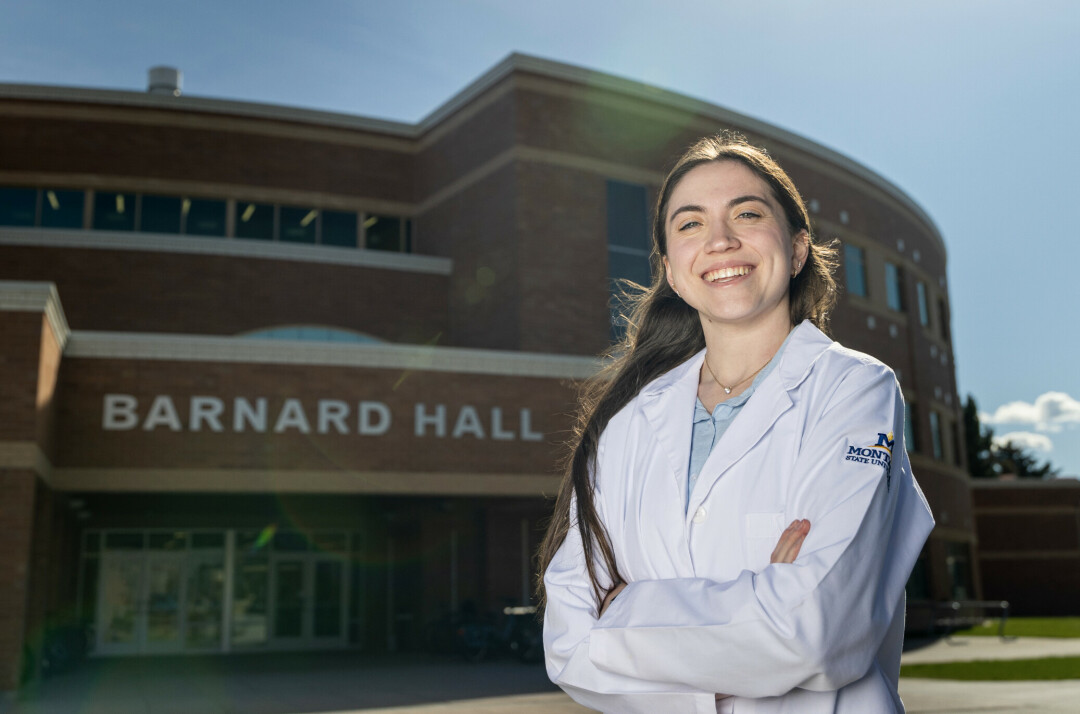
– As a first-semester Montana State University freshman majoring in mechanical engineering, Aspen McKee spent many late nights at the computer lab in Cobleigh Hall. On her way out of the building, she often stopped in front of a poster advertising a fellowship that seemed to mesh with her lifelong desire for a career at NASA.

McKee said she never believed she would be a candidate for the highly competitive award, but as she progressed through the engineering curriculum and then decided to change her major to astrophysics, she didn’t forget about the poster and its descriptions of the support provided to Brooke Owens fellows as they launch careers in the aerospace industry. Last fall, McKee decided to apply for a 2026 fellowship and recently learned she was one of 26 recipients in the U.S. selected to become “a Brookie.”

“I absolutely did not think I had a shot,” said McKee, now a junior studying in the Department of Physics in MSU’s College of Letters and Science, as well as in the Honors College. “I felt like I was in an applicant pool of very, very big fish.”

Coming out of high school, McKee, who is from Polson, aspired to become an aerospace engineer. She chose MSU, in part, because it is home to the Norm Asbjornson College of Engineering. As she progressed, she realized she enjoyed her required mathematics and science courses more than she did the engineering classes.

“I love physics – deep space physics, theoretical physics, astrophysics,” she said, adding that she still dreams of one day working for NASA.

At MSU, McKee has immersed herself in academic and extracurricular opportunities with that goal in mind. She has completed two internships with the Montana Space Grant Consortium, which works to strengthen education in NASA-related fields and offers students hands-on projects and research opportunities. She also has been active, both as an intern and as a student participant, in MSGC’s BOREALIS stratospheric ballooning program.

She recently began doing research with Regents Professor of physics Neil Cornish, director of MSU’s eXtreme Gravity Institute, because she is interested in gravitational waves – the ripples in space-time that are created by extreme and dynamic events in the universe, such as the mergers of black holes and collisions of neutron stars. McKee is considering studying gravitational waves in graduate school.

She will spend this summer in Bozeman, working remotely for the Maryland company a.i. solutions, which provides engineering services and products for space mission planning, design and operations. The internship was facilitated by the Brooke Owens Fellowship.

As a new Brookie, McKee also will attend a Brooke Owens summit in July in San Francisco, where she will be initiated into the fellowship she describes as a “lifelong community” for networking and career support. The Brooke Owens Fellowship, a nonprofit, was created to provide programming, mentoring, opportunities and access for talented female and gender minority students previously underrepresented in the aerospace industry.

Angela Des Jardins, director of the Montana Space Grant Consortium and associate research professor of physics, said McKee has worked hard at MSU to identify her interests and then seek opportunities that would help her advance.

“Aspen is a great example of the success that can result from having a passion and being motivated to succeed,” Des Jardins said. “She credits Montana Space Grant with helping her achieve her dreams, and we are so proud of all she’s accomplished.”

Add a Comment »

Wednesday, Apr. 8th, 2026

Translocated Female Grizzly Emerges From Den with Two Cubs

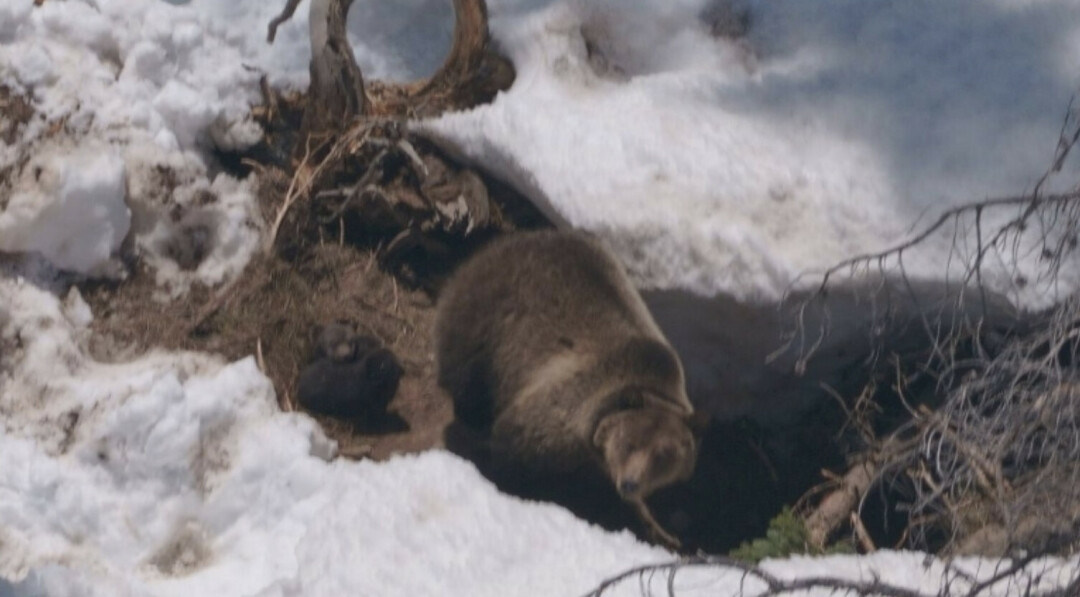
photo: The female grizzly bear, captured in Montana and released in Wyoming in the summer of 2024, recently emerged from her den with two cubs) taken during routine WGFD bear monitoring flight

HELENA –
 Within just two years, the female grizzly that was released in the Greater Yellowstone Ecosystem (GYE) emerged from her den this spring with two cubs in tow – a welcoming sight that represents successful population genetic enhancement and state collaboration. This event marks a milestone for grizzly bear management in America, establishing certain genetic interchange between the Northern Continental Divide Ecosystem (NCDE) in Montana and the GYE. 

Biologists released the bear in Wyoming two years ago as part of a joint effort between Wyoming and Montana to establish genetic exchange between the two ecosystems. She was recently seen and photographed with cubs at her den site during a radio-telemetry monitoring flight. 

 “This is concrete evidence that Montana and Wyoming are committed to sustaining a recovered population of grizzly bears and is a major success in our continued efforts to ensure genetic diversity in these two recovered populations of bears,” said Montana Fish, Wildlife & Parks director Christy Clark.  

The female was one of two grizzlies that were translocated through a partnership between FWP, the Wyoming Game and Fish Department (WGFD) and Yellowstone National Park. The other bear was a subadult male. The female was 4 years old at the time of the translocation and is now 6.   

Add a Comment »

News Comments