Monday, Mar. 30th, 2026

Race for Independence Registration is Open

It's not too early to start preparations for the 19th Annual Race for Independence, July 4th, 2026. Registration is open for the 1K, 5K, and 10K events, which start at the Work Center on Gallatin Park Drive. Come and join us for a festive Fourth with your red, white, and blue gear! Medals are awarded to the top three finishers in each distance and age group. We anticipate a spirited raffle, as well.

This is the first fundraiser of our fiscal new year! Your involvement ensures we can deliver quality supports to 92 adults with developmental disabilities in Reach's care. The services provided include safe and affordable housing for all levels of need, fulfilling employment opportunities, and transportation for work and recreation.

Sponsors are important partners for the success of this event. If you would like more information on your business being involved, email Jacy at jwidhalm@reachinc.org, or call/text 406-920-0930.

Register today

Add a Comment »

Fishing For The Future: Commission Approves Funding For 8 Habitat Projects

HELENA – A historically blocked cold water stream will be fully reconnected to the Big Hole River. Hyde Creek, a historic side channel to the Madison River, will be restored to improve spawning habitat for trout while also improving riparian habitat, floodplain connection and instream habitat.

These projects are two of the eight that recently received funding by the Montana Fish and Wildlife Commission through the Future Fisheries Improvement Program (FFIP). In all, nearly $440,000 in funding was approved to improve Montana fisheries.

"I am very excited to see all of these projects get funded,” said Future Fisheries Coordinator Bailey Duxbury. “From improving fish spawning and passage to improving floodplain connectivity and riparian habitat to reducing erosion, all of these projects will improve upon Montana's amazing natural resources and improve fisheries across the state.”

The fisheries improvements include restoration of streams to a natural condition, installing riparian fencing, restoring streambanks and riparian areas, creating instream habitat and more. Projects will help both native and non-native fish, including bull trout, mountain whitefish, westslope cutthroat trout, brown trout, rainbow trout and numerous non-game fish.

This year's funding was paired with $1.15 million in match and other contributions from outside sources. The eight projects were submitted by landowners, watershed organizations, county governments, federal agencies and nonprofits.

Approved FFIP projects

Butte Area

  • Big Hole Tributary Reconnection, Phase 2 - Alder Creek
  • Tenmile Creek Fish Barrier
  • Lower Racetrack Creek Restoration Project

Missoula Area

  • Lower Grant Creek Restoration
  • Marshall Creek Culvert Removal and Habitat Restoration
  • Upper O’Brien Creek Restoration Project

Wisdom Area

  • Christiansen Creek Fish Barrier

Ennis Area

  • Madison River Side Channel Restoration - Hyde Creek

Applications for the FFIP summer-cycle grants are due May 15. Forms are available on FWP’s website, fwp.mt.gov/FFIP, or at FWP offices.

Any individual or group with a project designed to restore or enhance habitat for wild or native fish may apply for FFIP funding. Applicants are encouraged to work with local FWP fisheries biologists. Landowners and other project partners usually share project costs, extending FFIP dollars.

Add a Comment »

Wednesday, Mar. 25th, 2026

Choosing Where You Stay Is Becoming Part of the Travel Experience Itself

Photo by Simon N on Unsplash

Travel decisions used to be simple. You picked a destination, booked a place to stay, and focused on the trip itself. Today, that process has changed. Where you stay is no longer just a practical choice, it has become part of the overall experience.

The rise of short-term rentals alongside traditional hotels has created a new kind of decision-making. Travelers are no longer comparing just prices or locations. They are choosing between entirely different ways of living during their trip.

Some prefer the predictability and service of hotels, while others look for flexibility and space in rental properties. The choice often reflects how someone wants to experience their time away, whether that means convenience, independence, or a balance of both.

Travel Preferences Are Becoming More Personal
Modern travel is increasingly shaped by personal priorities rather than fixed expectations. What one traveler values may be completely different from another.

For some, convenience is the most important factor. Having daily cleaning, front-desk support, and on-site amenities can simplify the experience and reduce stress. For others, space and privacy take priority, especially for longer stays or trips involving multiple people.

This shift has made accommodation a more personal decision. Instead of defaulting to one option, travelers are evaluating what kind of environment best supports their plans.

Different Stays Offer Different Experiences
Hotels and short-term rentals are not simply alternatives, they offer fundamentally different experiences. Hotels are designed for efficiency and consistency, while rentals often provide a more personalized and flexible environment.

Research in hospitality behavior shows that travelers choosing short-term rentals often value unique, home-like experiences, while hotel guests tend to prioritize service quality and professional standards.

This difference explains why preferences vary so widely. It is not about one option being better than the other, but about which experience aligns with the purpose of the trip.

Breaking Down the Real Differences Before Booking
Understanding the practical differences between these options can help travelers make more informed decisions. Factors such as cost, length of stay, group size, and desired level of service all play a role.

For those comparing options in more detail, resources like staying in an Airbnb versus a hotel provide a clearer breakdown of how these choices differ in real-world situations.

Looking beyond surface-level comparisons allows travelers to choose accommodations that match their actual needs rather than assumptions.

Cost Is Not Always as Straightforward as It Seems
Price is often the first factor people consider, but it is also one of the most complex. While short-term rentals are frequently perceived as more affordable, the reality varies depending on location, group size, and additional fees.

Data shows that in many U.S. cities, short-term rentals can be cheaper on average, around $156 per night compared to $208 for hotels, but this advantage is not consistent across all markets.

Cleaning fees, service charges, and seasonal demand can all influence the final cost. In some destinations, hotels may actually offer better value, especially for shorter stays.

Understanding total cost rather than base price is essential when comparing options.

Length of Stay Changes the Decision
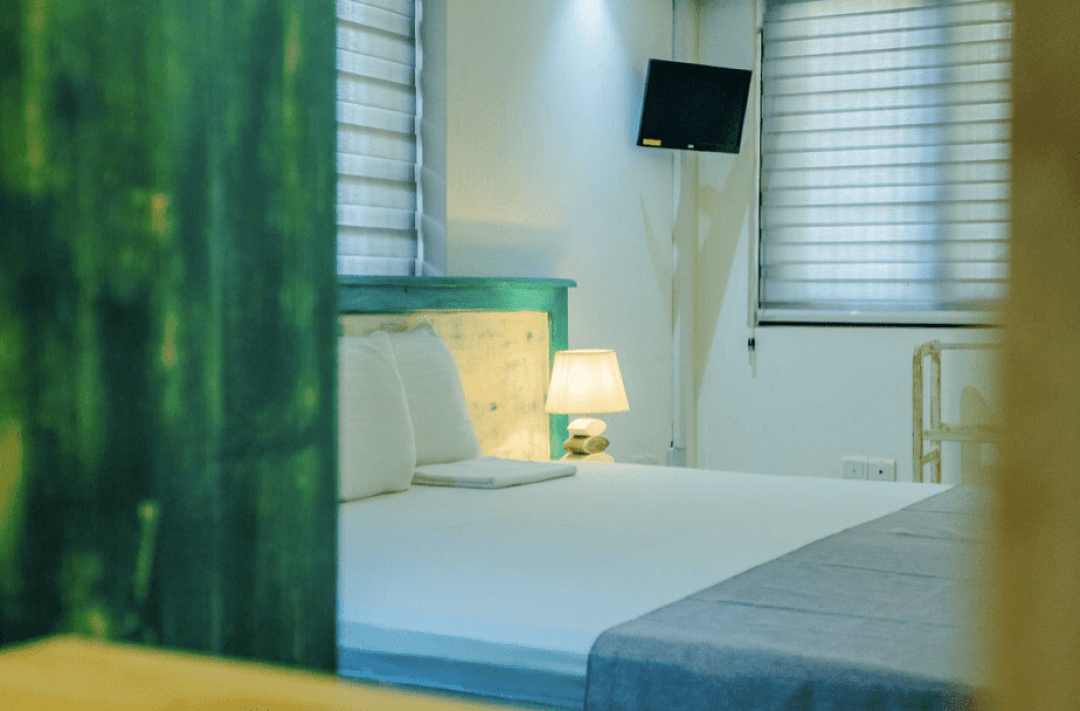
Photo by sidath vimukthi on Unsplash

The duration of a trip often determines which option makes more sense. Short stays tend to favor hotels, where convenience and minimal setup are key advantages.

Longer stays, on the other hand, often highlight the benefits of rental properties. Access to kitchens, laundry, and additional space can make extended trips more comfortable and cost-effective.

This is why many travelers switch between options depending on the nature of their trip. A weekend getaway may look very different from a multi-week stay in terms of accommodation choice.

Group Travel and Space Considerations
Traveling with a group introduces another layer of complexity. Space becomes more important, and the cost of multiple hotel rooms can add up quickly.

Short-term rentals often provide a practical solution in these situations. Shared spaces, multiple bedrooms, and communal areas allow groups to stay together while maintaining comfort.

Hotels, however, still offer advantages in terms of service and simplicity. For some groups, having separate rooms with consistent amenities may be preferable to sharing a single property.

The decision often comes down to how the group wants to interact during the trip.

Consistency Versus Flexibility
One of the most significant differences between hotels and rentals is consistency. Hotels are designed to deliver a predictable experience, with standardized rooms and services.

Rentals, by contrast, can vary widely. Each property is unique, which can be both an advantage and a risk. Some travelers appreciate this variation, while others prefer the reliability of a known standard.

How Accommodation Choices Reflect Travel Style
Accommodation choices often reflect broader travel habits and personal expectations. Travelers who prioritize structure, convenience, and efficiency tend to lean toward hotels, where standardized services and predictable experiences reduce uncertainty. On the other hand, those who value independence, flexibility, and a more immersive environment often choose short-term rentals, where the setting can feel closer to everyday living.

Satisfaction levels remain high across both options, but for different reasons. Industry research shows that many travelers appreciate the added space and flexibility of rental properties, while hotels continue to attract guests who prioritize cleanliness, service, and consistency. As expectations continue to rise, both options are evolving to meet higher standards, making the decision less about quality and more about which experience aligns best with the traveler’s preferred way of moving through a trip.

The Shift Toward Experience-Driven Travel
Ultimately, the choice between a hotel and a rental is part of a larger trend. Travel is becoming more experience-driven, with people placing greater emphasis on how each part of their trip feels.

Accommodation is no longer just a place to sleep. It is part of the experience, influencing how travelers interact with their surroundings and how they spend their time.

As options continue to expand, the decision will become even more personalized. Travelers will not just ask where they are going, they will think carefully about how they want to live while they are there.


 

Add a Comment »

Tuesday, Mar. 24th, 2026

How Personal Reset Spaces Are Changing the Way People Recharge at Home

Photo by Julian Hochgesan on Unsplash

Modern life rarely slows down on its own. Work, notifications, responsibilities, and constant input make it difficult to fully disconnect, even inside the home. As a result, more people are rethinking how their living spaces support mental recovery, not just physical comfort.

Instead of treating the home as a single-purpose environment, there is a growing shift toward creating intentional spaces designed specifically for rest, reflection, and emotional balance. These are not necessarily large rooms or expensive additions. In many cases, they are small, carefully arranged areas that encourage a break from routine.

The idea is simple: when a space is designed with purpose, it can influence how a person feels and behaves within it. Over time, these small adjustments begin to shape healthier patterns, making it easier to reset and regain focus in a demanding daily environment.

The Rise of Intentional “Reset Zones” at Home
A reset space is not defined by size or design trends. It is defined by function. Whether it is a quiet corner, a reading chair, or a small room with minimal distractions, the goal is to create a space that signals a shift in mindset.

These spaces work best when they are consistent. Returning to the same area for rest or reflection helps create a mental association, making it easier to disconnect from stress and re-engage with clarity later.

Unlike general living areas, reset zones are intentionally simplified. Fewer objects, softer lighting, and reduced noise all contribute to a more calming environment.

Small Changes That Influence Daily Mental State
The effectiveness of a reset space often comes from subtle adjustments rather than major redesigns. Lighting, texture, and layout all influence how a space feels.

Natural light, for example, tends to create a more open and calming atmosphere. Soft materials and neutral colors reduce visual stimulation, allowing the mind to settle more easily.

These changes may seem minor, but they accumulate over time. A space that consistently feels calm can influence daily habits, encouraging regular breaks and moments of reflection.

Bringing Structured Support Into Personal Spaces
While the environment plays a major role, some people choose to combine physical spaces with structured mental wellness practices. This can include guided exercises, reflection techniques, or professional support accessed from home.

For individuals looking to integrate these elements, resources like lovethistherapy.com provide access to approaches that support emotional balance and personal development within everyday routines.

Blending physical space with intentional practices creates a more complete experience, where both environment and behavior contribute to a sense of reset.

The Link Between Environment and Mental Recovery
The connection between surroundings and mental state has been widely explored, particularly in how physical environments influence stress levels and emotional balance. Spaces that reduce overstimulation, through softer lighting, minimal noise, and intentional layout, can support a more stable and focused mindset.

These environments allow the brain to slow down, making it easier to process thoughts and recover from daily pressures. Research from the American Psychological Association (APA) highlights that environmental factors such as lighting, spatial organization, and sensory input can significantly affect stress and overall well-being. This reinforces the idea that creating intentional spaces is not simply a design preference, but a practical approach to supporting mental clarity and emotional recovery in everyday life.

Why Consistency Matters More Than Design Trends

Photo by Interial Co. on Unsplash

It is easy to focus on aesthetics when creating a space, but consistency is often more important than visual appeal. A simple space used regularly will have a greater impact than a perfectly designed area that is rarely used.

Consistency builds habit. When a space is used repeatedly for the same purpose, it becomes associated with a specific mental state. Over time, this makes it easier to enter that state whenever the space is used.

This is why even minimal setups can be effective. The key is not complexity, but repetition and intention.

Reducing Digital Noise Within the Home
One of the biggest challenges in creating a reset space is managing digital distractions. Phones, laptops, and constant notifications make it difficult to fully disconnect.

Designating certain areas as low-technology zones can help reduce this noise. Even short periods without digital input can improve focus and reduce stress levels.

This does not require complete disconnection, but rather intentional boundaries. By limiting digital activity in specific spaces, it becomes easier to create moments of quiet within an otherwise busy environment.

Creating Separation Within Shared Spaces
Not every home has extra rooms available for dedicated use. In many cases, reset spaces must be created within shared environments.

This can be done through simple methods such as rearranging furniture, using dividers, or establishing specific times when a space is used differently. Even small visual or functional changes can signal a shift in purpose.

The goal is to create a sense of separation, even within a limited area. This allows the space to serve multiple functions without losing its ability to support rest and recovery.

Long-Term Impact of Intentional Living Spaces
Over time, the presence of a reset space can influence broader lifestyle patterns. Regular moments of pause can improve focus, reduce stress, and support better decision-making.

These effects are not immediate but develop gradually. As habits form, the space becomes part of a larger routine that supports balance and well-being.

Rather than relying on occasional breaks or external solutions, individuals begin to build recovery into their daily environment. This creates a more sustainable approach to managing stress and maintaining mental clarity.

Turning the Home Into a Supportive Environment
The idea of a home is evolving. It is no longer just a place for rest or routine, it is becoming an active part of how people manage their time, energy, and mental state.

By creating spaces that support intentional pauses, individuals can shape environments that work with them rather than against them. These spaces do not need to be large or complex. What matters is that they are used consistently and designed with purpose.

When the home begins to support both activity and recovery, it becomes more than just a place to live, it becomes a space that actively contributes to well-being.

Add a Comment »

Bozeman Symphony Presents Lyrical Landscapes: Mahler, Walton, & Clair de lune


BOZEMAN – The Bozeman Symphony invites audiences to revel in sweeping melodies and powerful storytelling at Lyrical Landscapes: Mahler, Walton, & Clair de lune, April 25 and 26 at the Willson Auditorium. The concerts feature internationally acclaimed baritone Lester Lynch and the Bozeman Symphonic Choir.

The program opens with the gentle beauty of Clair de lune by Claude Debussy—French for “moonlight” and one of the composer’s most beloved works. With shimmering harmonies, unconventional scales, and flowing melodic lines, the piece creates a dreamlike atmosphere that has captivated audiences for more than a century.

Next, Lynch performs Rückert-Lieder by Gustav Mahler, a poignant five-song cycle set to poetry by German Romantic poet Friedrich Rückert. The songs trace an emotional journey from the fragrant promise of spring to reflections on solitude and a profound meditation on the soul’s darkest hour.

The program concludes with Lynch and the Bozeman Symphonic Choir in Belshazzar’s Feast by William Walton. Drawn from biblical texts, this electrifying oratorio recounts the fall of Babylon and the exile of the Jewish people through dramatic choral writing and powerful orchestral color.

Internationally celebrated for his commanding voice and emotionally charged performances, Lynch has emerged as one of the most sought-after operatic artists of the 21st century. He has appeared on the stages of many of the world’s leading opera houses and concert halls and received numerous prestigious honors, including awards from the Metropolitan Opera National Council.

Performances are on Saturday, April 25, at 7:30 p.m. and Sunday, April 26, at 2:30 p.m. at the Willson Auditorium in Bozeman.


These concerts are made possible by the generous support of sponsors The Dovana Foundation, Calum & Tricia DeSouza, Bob & Donna Ritchie, Bruce & Kimberlie Jodar, Sharon & Michael Beehler, and Dr. Jeffrey Barish & Dr. Elaine Best.

Tickets start at $30 for adults, with discounted tickets available for students. Purchase online at https://www.bozemansymphony.org/mahler-walton-clairdelune or by calling 406-585-9774. Tickets at the door are subject to availability.

Add a Comment »

The New Direction of American Moves and What It Says About Lifestyle Shifts

Photo by Dina Badamshina on Unsplash

Relocation has always reflected deeper changes in how people want to live. In recent years, moving patterns across the United States have become less about short-term needs and more about long-term lifestyle decisions. People are no longer just moving for jobs, they are moving for space, affordability, flexibility, and quality of life.

This shift is changing not only where people live, but also how they think about home. Smaller cities, suburban areas, and regions offering more room and lower costs are becoming increasingly attractive. At the same time, densely populated and high-cost areas are seeing more people leave in search of alternatives that better match their priorities.

These patterns are not random. They reflect broader changes in work, family life, and the way people define comfort. Moving has become less reactive and more intentional, with individuals choosing environments that align with how they want to live day to day.

Lifestyle Now Drives Relocation Decisions
For many people, the decision to move is no longer tied strictly to employment opportunities. While work still plays a role, lifestyle factors are becoming just as important.

Access to outdoor space, lower living costs, and a quieter environment are all influencing where people choose to relocate. This shift is especially noticeable among those who have more flexibility in how and where they work.

Instead of adapting their lifestyle to fit a location, people are increasingly choosing locations that support their preferred way of living. This has led to a more diverse range of popular destinations, many of which were previously overlooked.

Migration Patterns Reflect Changing Priorities
Recent data shows that people are moving toward regions that offer a balance between affordability and quality of life. States in the South and Mountain West have consistently attracted new residents, while some traditionally high-cost areas continue to see outflows.
This pattern suggests that cost of living, space, and long-term sustainability are becoming key considerations. People are looking for places where they can maintain financial stability without sacrificing comfort.

For those exploring these trends in more detail, resources like where people are moving to in the US provide a clearer picture of how these shifts are unfolding across different regions.

The Rise of Mid-Sized Cities and Flexible Living
One of the most noticeable changes in recent years is the growing popularity of mid-sized cities and smaller metropolitan areas. These locations often provide a balance that larger cities struggle to maintain, offering amenities without the same level of congestion or cost.

In many cases, people are choosing areas that allow for a more flexible lifestyle. This includes access to outdoor activities, shorter commutes, and a slower pace of life.

Where People Are Actually Moving
Data from recent migration reports highlights a clear pattern in where people are choosing to relocate.

Insights from national moving studies and housing data show that states like South Carolina, Idaho, North Carolina, Tennessee, and Texas are among the most popular destinations, driven by affordability, job growth, and lifestyle appeal.

At the same time, higher-cost states such as California and New York continue to experience population outflows, as residents look for alternatives that better align with their financial and lifestyle goals.

These patterns are not short-term trends, they reflect ongoing shifts in how people evaluate where they want to live.

Housing Affordability as a Deciding Factor

Photo by HiveBoxx on Unsplash

Housing costs remain one of the most influential factors in relocation decisions. Rising prices in certain regions have pushed many individuals and families to consider alternatives.

Affordable housing does more than reduce expenses, it creates opportunities. It allows for larger living spaces, the possibility of homeownership, and greater financial flexibility.

As a result, regions that offer more accessible housing options are becoming increasingly attractive, especially for those planning long-term moves.

Remote Work and Geographic Freedom
The rise of remote work has played a significant role in changing migration patterns. With fewer location-based job requirements, people have more freedom to choose where they live.

This flexibility has opened up new possibilities. Individuals are no longer limited to areas near their workplace and can prioritize factors such as environment, cost, and lifestyle.

Over time, this shift is reshaping how cities grow and how communities develop, as more people distribute themselves across a wider range of locations.

Community and Quality of Life Considerations
Beyond affordability and work flexibility, community plays an important role in relocation decisions. People are increasingly looking for environments that offer a sense of connection and stability.

This includes access to schools, local businesses, outdoor spaces, and community activities. These factors contribute to a higher quality of life and influence long-term satisfaction with a location.

Choosing where to live has become a more holistic decision, balancing practical needs with personal preferences.

Long-Term Implications of Migration Trends
The way people move today is shaping the future of housing, infrastructure, and local economies. Regions experiencing growth must adapt to increased demand, while areas with population declines may need to rethink their strategies.

For individuals, these trends highlight the importance of making informed decisions. Understanding where people are moving, and why, can provide valuable insight into which areas are likely to offer stability and opportunity in the future.

Relocation is no longer just about change. It is about choosing a direction that aligns with long-term goals, creating a living environment that supports both current needs and future plans.

Add a Comment »

How to watch: Bobcats advance to third round of WNIT after first-ever postseason win

BOZEMAN — After its first-ever post-season win in the team’s history, the Montana State University women’s basketball team will continue to the Super 16 round of the Women’s National Invitation Tournament. 

The Bobcats will play the University of Portland on Thursday at 7 p.m. in Worthington Arena in Bozeman. Tickets are available for purchase on the Bobcat Athletics website. The game will also be streamed on ESPN+. 

The team boasts a 25-7 record and Portland posted an 18-14 record – the same as the San Francisco Dons, who the 'Cats defeated Sunday – in the West Coast Conference. 

Montana State automatically qualified for the WNIT following their loss to Idaho in the Big Sky Conference Tournament final. They received a first-round bye and defeated San Francisco 69-53 in their second-round matchup last weekend.  

A total of 48 NCAA Division I teams were selected to compete in the 2026 WNIT. Following the Super 16 round, the Great 8 round will be played March 28-30 and the Fab 4 from March 31-April 1. The championship game will be held on Saturday, April 4, at a to-be-determined location.  

Updates 
Live coverage: Live stats will be available on the Bobcat Athletics website, and radio coverage will be available via the Bobcat Sports Radio Network and The Varsity Network
Social media: Updates will be posted on Instagram at @MSUbobcatsWBB.  

Quick Links 

Add a Comment »

Monday, Mar. 23rd, 2026

The Overlooked Responsibilities That Come With Owning a Home on Open Land

Photo by Bennie Bates on Unsplash

Owning a home outside of dense urban environments often comes with a sense of freedom, more space, fewer restrictions, and a closer connection to the surrounding environment. But along with that independence comes a set of responsibilities that are not always immediately obvious.

Unlike properties connected to centralized systems, many homes require a more hands-on approach to maintenance and long-term care. Daily comfort is not just about what happens inside the house, but also about how the property is managed as a whole. This includes everything from water usage to waste handling and environmental impact.

For homeowners, adapting to this level of responsibility means thinking beyond standard routines. It requires awareness of how individual actions affect the property over time and how small decisions can influence long-term functionality.

Living With Systems That Require Direct Attention
Homes that are not fully connected to centralized infrastructure often rely on systems that require more direct involvement. These systems do not operate entirely in the background, they depend on how they are used and maintained.

This creates a different kind of relationship between the homeowner and the property. Instead of relying on external services for every issue, there is a greater emphasis on understanding how things work and recognizing when something needs attention.

This shift encourages a more proactive approach to home care, where small adjustments and regular checks become part of everyday living.

Why Routine Habits Matter More Than Expected
In these environments, daily habits have a direct impact on how well a property functions. Water usage, waste disposal, and maintenance routines all influence long-term performance.
Small changes, such as spreading out water usage or being mindful of what goes down drains, can make a significant difference. Over time, these habits help maintain balance and reduce the likelihood of problems.

Homeowners who develop consistent routines often find that their properties remain more stable and easier to manage.

Support Services That Keep Properties Running Smoothly
Even with a hands-on approach, professional support remains an important part of property care. Some tasks require expertise and equipment that go beyond routine maintenance.
Many homeowners rely on providers like Mountain Septic to handle specialized servicing and ensure that everything continues to operate as expected.

Working with experienced professionals helps prevent issues from escalating and provides reassurance that systems are being managed correctly.

Property Care and Environmental Awareness

Photo by Juan Pablo on Unsplash

Managing a property also involves understanding how everyday use affects the surrounding environment. Waste systems, water usage, and maintenance routines all contribute to the long-term condition of both the home and the land around it.

When these elements are handled responsibly, they help preserve soil quality, protect nearby water sources, and maintain a healthier living environment overall. Poor maintenance, on the other hand, can lead to gradual issues that are not always immediately visible but can have lasting consequences over time.

Research from the U.S. Environmental Protection Agency (EPA) highlights that properly maintained wastewater systems play an essential role in preventing groundwater contamination and supporting environmental safety.

This makes regular servicing and mindful usage more than just a practical concern, it becomes part of responsible property ownership, ensuring that both the home and its surroundings remain stable and sustainable.

Recognizing When Something Isn’t Working Right
One of the most valuable skills for homeowners is the ability to recognize early signs of potential issues. Changes in drainage, unusual smells, or slower system performance often indicate that something needs attention.

Catching these signs early allows for simpler solutions and prevents larger disruptions. It also reduces the likelihood of costly repairs that could have been avoided.

Awareness becomes an important part of property management, helping homeowners stay ahead of problems rather than reacting to them.

Long-Term Thinking in Property Ownership
Owning a property that requires active management encourages a long-term mindset. Decisions are made not just for immediate convenience, but for how they will affect the property over time.

This includes planning for maintenance, understanding system capacity, and making adjustments as needs change. Over time, this approach leads to more stable and predictable outcomes.

Homeowners who adopt this perspective often find that their properties remain easier to manage and more resilient to change.

Balancing Independence With Practical Support
While independence is a key benefit of this type of living, it does not mean handling everything alone. The most effective approach combines self-sufficiency with access to reliable support when needed.

Knowing when to seek professional help is just as important as maintaining daily routines. This balance ensures that systems continue to function properly without placing unnecessary strain on the homeowner.

By combining practical knowledge with trusted support, homeowners can maintain both independence and reliability.

Creating a Lifestyle That Works With the Property
Ultimately, living in this type of environment requires adapting lifestyle habits to fit the property. Instead of expecting systems to adjust automatically, homeowners learn to work with them.

This creates a more intentional way of living, where daily choices are aligned with long-term functionality. It also fosters a deeper connection to the home, as each action contributes to how well the property performs.

Over time, this approach transforms property ownership from a passive experience into an active and rewarding part of everyday life.

Add a Comment »

Mr. Vale's Math Class - New EP "Live, Math, Love" - Bozeman Hot Spring 4/5


Mr. Vale’s Math Class, is playing in Bozeman at Bozeman Hot Springs Sunday, April 5th. Mr. Vale's Math Class is more than the sum of its parts—the six-piece funk band brings rollicking dance-party vibes backed by zippy horns, wink-and-a-nod lyrics, and an energizing stage performance to the Pacific Northwest and beyond. If only high school math class were this much fun.

Oscillating between playful and serious, the band riffs its way through blues, funk, and jammy notes from bygone eras, with modern, fresh lyrics that feel plucked from a math wizard's hat. Rest assured, Mr. Vale's Math Class will have you grooving to the golden mean, even if you can't find your protractor or remember how to do quadratic equations.

Led by the multi-instrumentalist and math tutor Jordan Vale on keys, trumpet, and vocals, the group includes musicians Nick Hamel on guitar, Milo Fultz on bass, James Ford on drums, David Burrows on auxiliary percussion, and Lhanna Writesal on saxophone, along with a rotating cast of dynamic guest musicians.

Always cooking up something new, Mr. Vale's Math Class released Live, Math, Love part 1 in 2026, a four-song EP that blends funky grooves, heartfelt moments, and clever math-inspired storytelling and builds on the band's identity as cheeky educators with serious musical chops. The EP followed several 2005 and 2022 singles and its 2002 album We Can Help You Out, which Eleven PDX called "a funky, jazzy, lovefest."

Mr. Vale's Math Class has rocked the house at major PNW music fests, including Juniper Jam, Shift, NW Folklife, and Goodtime Campout, and has opened for acts such as Jamie Cullum, Marchfourth, and High Step Society.

Add a Comment »

Application deadline for deer and elk permits, nonresident combination licenses is April 1

HELENA – Don’t wait to apply for deer and elk permits. The application deadline is April 1. Hunters can buy licenses and apply for permits on the FWP website; click on “Buy and Apply.”  

Montana Fish, Wildlife & Parks offers several tools to help hunters navigate the application process. The application process is different for residents and nonresidents, but FWP has created instructional videos to help with both kinds of customers.

Hunters and anglers can also take advantage of the MyFWP mobile app. The app holds and displays licenses, permits and E-Tags, which can be downloaded and used in the field without cell service. To create a My FWP account, visit the MyFWP login page.  

FWP also has convenient resources for understanding bonus points and how they work.

Applicants have the option to reapply for the same offerings as last year with just a simple click, eliminating the need to search through previous applications.

Most FWP offices are open from 8 a.m. to 5 p.m., Monday through Friday. The licensing call center is open from 7 a.m. to 7 p.m. through April 1; after April 1, the hours return to 8 a.m. to 5 p.m. The call center can be reached at 406-444-2950. 

 Application deadlines  

  • Deer and Elk
    • Permits – April 1
    • B Licenses – June 1  
  • Nonresident Combination Licenses – April 1
  • Black Bear Permits - April 1
  • Paddlefish (White Tag) - April 1
  • Bighorn Sheep – May 1  
  • Bison – May 1  
  • Moose – May 1  
  • Mountain Goat –May 1  
  • Sandhill Crane/Swan - May 1 - June 1
  • Antelope/Antelope B – June 1  
  • SuperTags
    • Antelope, Bighorn Sheep, Bison, Deer, Elk, Moose, Mountain Goat, and Mountain Lion – June 30

For more information on Montana hunting licenses and permits, go to fwp.mt.gov/buyandapply/hunting-licenses.

Add a Comment »

News Comments