



Physical Security as Part of Cybersecurity: Why Critical Facilities Need Nighttime Surveillance
Wednesday Oct. 7th, 2026
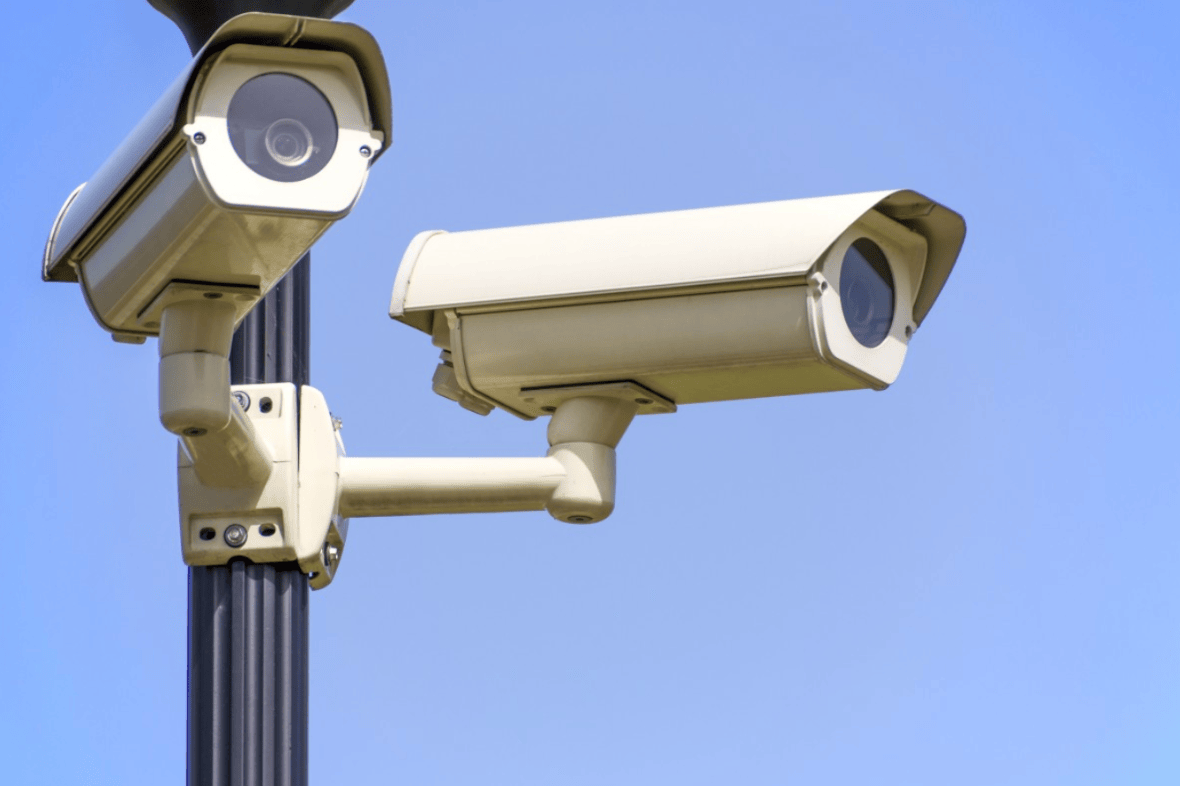
When people talk about cyberattacks, many picture a person in a black hoodie sitting at a computer and trying to break into a network over the internet. But an intruder has another route as well: simply gain physical access to the place where the equipment is located and compromise it on site. And sometimes this route is far easier – and far more dangerous.
At times, it is enough to get close to a restricted room, open a technical cabinet, and connect a small device. That is all it takes: your system has already been breached.
This is why cybersecurity extends beyond familiar passwords, two-factor authentication, and firewalls. It also encompasses the physical perimeter. Protecting virtual data depends on very tangible things: fences, gates, surveillance cameras, and the ability to spot a person somewhere they should not be. Especially at night. This explains the considerable interest in generation 3 night vision, which is increasingly being incorporated into the overall security architecture of critical facilities.
Why a Fence Alone Is Not Enough
Large facilities have security personnel, access-control systems, video surveillance, and alarms. At first glance, that should be more than sufficient.
Yet weak points always remain. And they tend to reveal themselves after sunset, when the premises empty out.
Large sites are rarely illuminated evenly. Dark stretches remain between buildings, equipment creates blind spots, and some cameras at night begin producing footage in which a human silhouette almost disappears into the background.
What Night-Vision Devices Provide
Night vision optics are designed precisely for situations in which ordinary ambient light is too weak for reliable observation.
The device amplifies the faint light that is available – from the Moon, for instance, or from distant lamps – producing a substantially more legible image.
And that offers a significant advantage: not merely detecting a person, but being able to assess what that person is doing.
An operator can see where the individual is heading, how long they remain near one location, and whether they are carrying an unusually large bag.
This is also where it becomes important to understand the distinctive uses of different types of optical equipment in facility security.
A thermal imager, for example, is excellent at quickly revealing a person against a colder background. But what it primarily shows is thermal contrast. A night-vision device, by comparison, provides more familiar visual detail.
For that reason, these technologies are better used together than treated as alternatives.
Why the Third Generation in Particular
Night-vision devices come in several generations, and the differences between them lie in changes that may be barely perceptible to an ordinary user. Third-generation systems, for example, use a photocathode made from a rather exotic material – gallium arsenide. It is far more sensitive to infrared light and produces a higher-quality image than earlier technologies, even under extremely weak natural illumination.
In addition, such devices are commonly equipped with white-phosphor screens, which produce a more natural black-and-white image rather than the green image associated with conventional models.
Where Night Vision Is Justified
For a small office, the technology may be excessive. At facilities spread across a large territory, however, the situation is different.
Electrical substations, data centers, industrial plants, and telecommunications sites often comprise several buildings and outdoor engineering zones. Between them are roads, cable routes, service passages, and perimeter fencing.
Some of these areas are almost deserted at night.
And that is precisely why an intruder may try to exploit them.
Nighttime surveillance is useful at facilities where conventional lighting cannot, or should not, be intensified. This may include remote sections of the perimeter or areas near backup equipment.
The point, however, is not to turn a factory or warehouse into a military base.
The task is much simpler: to prevent a situation in which an unauthorized person can spend ten minutes beside critical equipment simply because the camera sees nothing there but a dark patch.
Physical Security Is Becoming Part of Cybersecurity Again
The better companies become at protecting remote access, the more attractive alternative routes become. As a result, modern cyber defense increasingly resembles something other than a single virtual wall.
It is more like several concentric rings around a facility.
First come the perimeter and surveillance. Then access control. After that, protection of the equipment itself. Only then come the network tools that monitor what is happening inside the digital infrastructure.
Night-vision devices occupy a rather important place in this system. They reduce one of the oldest problems in security of any kind: the lack of information in darkness.
| Tweet |
