



The Little Details That Separate Great Steakhouses
Friday Sep. 4th, 2026
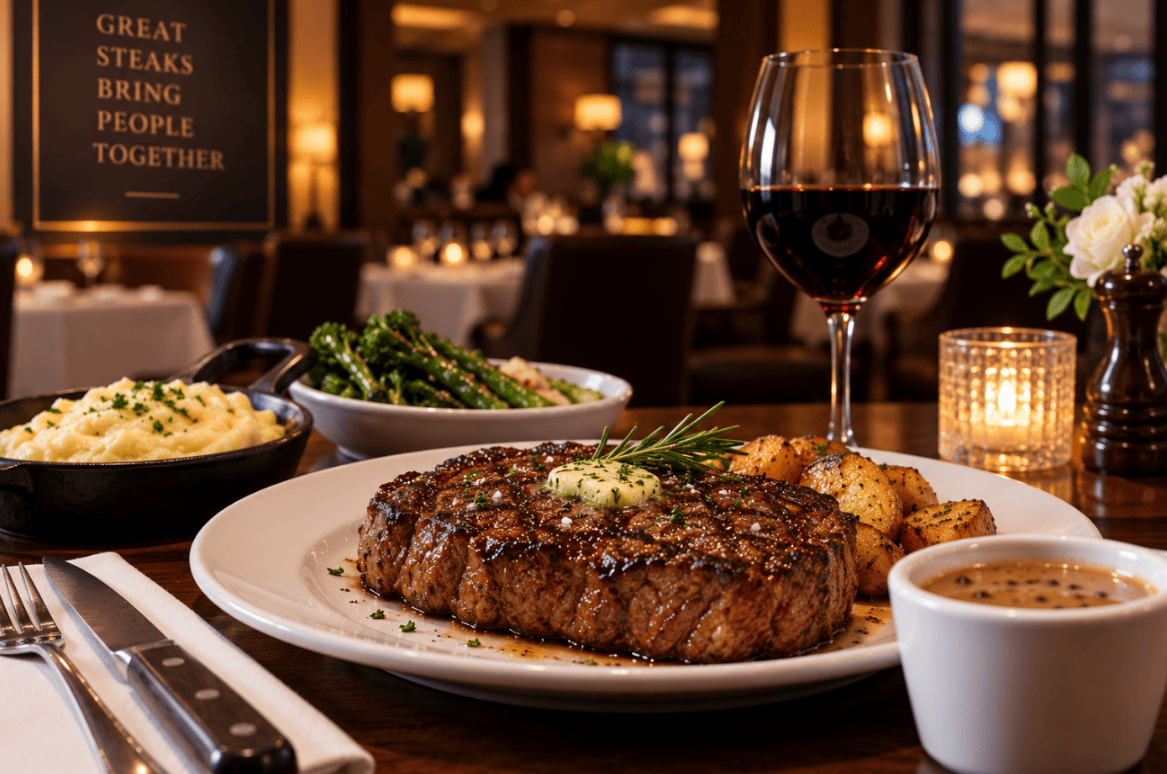
Exceptional steakhouses earn loyalty through details guests notice before the first bite. Service follows a natural rhythm, dining rooms support conversation, and each plate reflects disciplined preparation. The experience begins with the welcome, then continues through menu guidance, beef selection, cooking technique, side dishes, beverages, and dessert. These elements work together to create comfort, trust, and a meal worth repeating.
A polished dining room gives useful signals immediately. Hosts acknowledge arrivals promptly, servers explain menu choices accurately, and staff members respect each party’s pace. Lighting should support conversation, while seating must allow relaxed movement. Diners comparing a steakhouse in Winter Park often judge these details before ordering. Comfort, courtesy, and clear communication reveal whether a restaurant treats hospitality as seriously as food preparation.
A Thoughtful Welcome
The first exchange establishes the meal’s character. A capable host offers clear seating guidance, answers practical questions, and recognizes special occasions without excessive attention. Servers can introduce the menu once guests settle in. Adjusting a chair, providing water, or explaining the evening’s pacing may seem minor, yet these gestures reduce friction and help each table feel properly cared for.
Precise Steak Selection
A serious menu describes each cut with useful detail. Diners should learn about texture, marbling, portion size, aging, and recommended doneness. Ribeye provides generous intramuscular fat, while a filet offers a tender, delicate bite. Strip steak delivers a firmer texture with concentrated beef flavor. Clear explanations allow guests to select a portion that suits appetite, preference, and occasion.
Sourcing Matters
Ingredient information strengthens confidence when presented plainly. Menus may identify grading standards, aging practices, or regional origins. Those facts help diners understand what appears on the plate. Consistent sourcing also supports dependable flavor across visits. Careful storage, proper trimming, and accurate descriptions show that standards extend beyond the dining room.
Reliable Cooking
Temperature control separates a skilled kitchen from an inconsistent one. A rare steak should retain a cool, red center, while medium preparations require an evenly warm interior. Cooks must coordinate heat, thickness, timing, and resting. Each variable affects moisture retention and tenderness. Guests return because they expect a familiar result, not because they hope for one.
A Proper Sear
Surface texture adds depth without distracting from the beef. A well-seared steak has deep browning, crisp edges, and savory flavor. Seasoning should support the meat’s natural character rather than overpower it. Excessive charring creates bitterness. A controlled sear, achieved through dry surfaces and intense heat, delivers contrast between crust and center.
Balanced Side Dishes
Supporting plates should provide contrast to a rich main course. Creamed spinach contributes softness, roasted vegetables add freshness, and crisp potatoes bring structural bite. Portions should suit the table, particularly when guests intend to share. Each side needs proper seasoning, adequate heat, and a texture that remains appealing from the first serving through the final forkful.
Sauce With Purpose
A sauce should complement the central ingredient, never conceal it. Peppercorn preparations bring warmth, herb butter adds richness, and béarnaise contributes acidity with a soft finish. Servers can explain these differences in straightforward terms. Practical recommendations help diners choose confidently without making the order feel like a technical exercise.
Comfortable Timing
Strong service follows the table’s rhythm. Starters should arrive while interest remains high, while main courses need enough space for conversation. Servers can check progress without interrupting meaningful exchanges. Plates should leave promptly after everyone finishes. Achieving this balance requires observation, discreet communication, and respect for each group’s preferred pace.
Room and Sound
A refined dining room must feel elegant without becoming uncomfortable. Chairs should support longer meals, tables need practical spacing, and lighting must illuminate food without straining the eyes. Sound levels deserve equal attention. Guests should hear companions clearly during busy periods. Physical comfort encourages diners to remain present rather than rush through the meal.
Thoughtful Beverage Pairings
Wine, cocktails, and nonalcoholic drinks can shape the way a steak tastes. Full-bodied reds often suit heavily marbled cuts, while lighter wines work well with leaner portions. Sparkling water refreshes the palate between bites. A knowledgeable beverage professional asks focused questions, considers budget, and recommends options without pressuring the guest.
A Memorable Finish
Dessert should provide a considered conclusion rather than an afterthought. Warm chocolate cake offers richness, seasonal fruit brings brightness, and cheesecake delivers a familiar creamy finish. Coffee service matters as well. Clean cups, suitable temperatures, and timely refills signal continued care. The final minutes influence how guests remember the entire meal.
Conclusion
Great steakhouses distinguish themselves through a collection of disciplined choices. Guests remember accurate cooking, useful guidance, comfortable seating, balanced flavors, and service that respects personal timing. No single feature carries the entire experience. Together, these details build confidence from arrival through dessert. The clearest sign of excellence remains simple: every part of the meal feels considered, consistent, and worthy of another reservation.
| Tweet |
