



The Smarter Way to Move Trailers in Tight Workspaces
Why Trailer Movement Becomes Difficult in Tight Spaces
Tuesday May. 19th, 2026
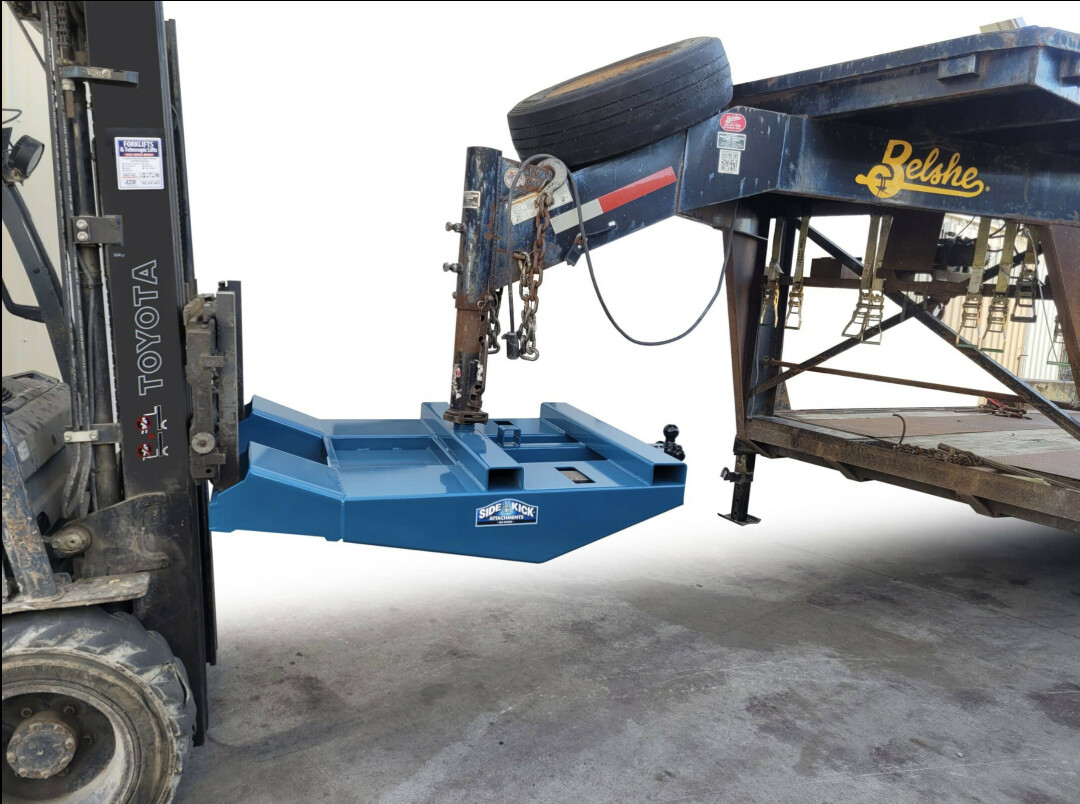
Moving trailers in confined work areas can turn a routine task into a slow, awkward process. In busy yards, shops, storage areas, and loading zones, there is often limited room to line up a vehicle, make wide turns, or reposition a trailer safely.
The challenge usually comes down to control. When several trailers, pallets, vehicles, or materials share the same space, teams need a way to move trailers with better visibility, slower handling, and more precise positioning.
The Challenges of Moving Trailers Without the Right Equipment
Many workplaces still rely on pickup trucks, manual repositioning, or improvised methods to move trailers around tight areas. These approaches may work occasionally, but they can create delays, increase the risk of damage, and place extra strain on workers.
Tight spaces leave little room for error. Operators may need several adjustments to line up trailers with loading docks, storage spaces, or service bays. Visibility can also become a concern, especially when workers guide trailers by hand around uneven surfaces, narrow lanes, or crowded work zones.
How a Forklift-Based Trailer Moving Solution Works
One practical way to improve trailer movement in confined areas is by using a trailer mover forklift attachment. This type of equipment connects to a forklift and allows operators to move trailers with greater precision in spaces where larger vehicles may be difficult to maneuver.
Instead of bringing in a separate truck, operators can use existing forklift equipment to relocate trailers around loading areas, storage yards, workshops, or service spaces. Forklifts can often turn in tighter areas and provide more controlled movement at slower speeds.
This setup can reduce unnecessary vehicle traffic inside busy work zones while giving operators better visibility during positioning.
Safety and Efficiency Benefits for Busy Work Areas
In active work environments, trailer movement should be predictable and controlled. A forklift-based setup allows operators to make smaller adjustments with greater accuracy, which is useful around loading docks, narrow lanes, storage rows, and crowded yards.
Better control can also support safer daily operations. Reducing blind spots, limiting repeated movements, and keeping traffic organized can create a more manageable environment for workers and equipment. Many facilities follow established workplace safety guidelines to improve material handling practices and reduce operational risks.
Efficiency improves as well. When trailers can be moved using equipment already available on site, businesses can reduce downtime, avoid unnecessary vehicle use, and keep daily tasks moving more smoothly.
Where This Type of Attachment Makes the Biggest Difference
Trailer moving attachments are especially useful in places where space is limited and equipment movement happens throughout the day. Warehouses may use them to reposition storage trailers near loading areas without bringing in additional vehicles.
Repair shops and maintenance facilities can also benefit from improved maneuverability when moving trailers into service bays or inspection areas. Outdoor storage yards present similar challenges, especially when multiple trailers are parked close together.
Construction suppliers, agricultural operations, distribution centers, and equipment rental facilities can use this type of setup to manage trailer movement in crowded work areas where precision and flexibility matter.
What to Consider Before Using One
Before using trailer-moving equipment with a forklift, the setup should match the demands of the workspace. Forklift capacity is one of the first details to review, since operators need to confirm the equipment can safely handle the trailer weight and towing requirements.
Hitch compatibility is also important. Different trailers may use different connection styles, so the right fit helps create stable, controlled movement.
Surface conditions should be considered as well. Uneven pavement, gravel, wet surfaces, and slopes can affect traction and maneuverability. Clear visibility and proper operator training are also essential when moving trailers in confined spaces.
Practical Tips for Moving Trailers in Limited Space
Efficient trailer movement often starts with a clean, organized work area. Keeping routes clear of unused equipment, pallets, and materials gives operators more room to maneuver and reduces the need for repeated corrections.
Designated staging and parking areas can also improve workflow. A clear layout helps workers understand where trailers should be placed and reduces confusion when several pieces of equipment are operating nearby.
Regular inspections matter too. Checking hitch connections, tires, and attachment points before movement can help prevent issues during repositioning. Businesses can also find broader community business insights that support smarter planning, safer operations, and better use of available space.
A Smarter Approach to Trailer Movement
Moving trailers in tight workspaces does not have to be slow, difficult, or dependent on extra vehicles. With the right equipment setup, businesses can improve control, reduce congestion, and make better use of the space they already have.
For busy shops, yards, warehouses, and service areas, smarter trailer handling can make a meaningful difference in productivity, organization, and daily workflow.
| Tweet |
