



6 Emergency Scenarios Covered By A Mobile GPS Medical Alert
Friday Apr. 17th, 2026
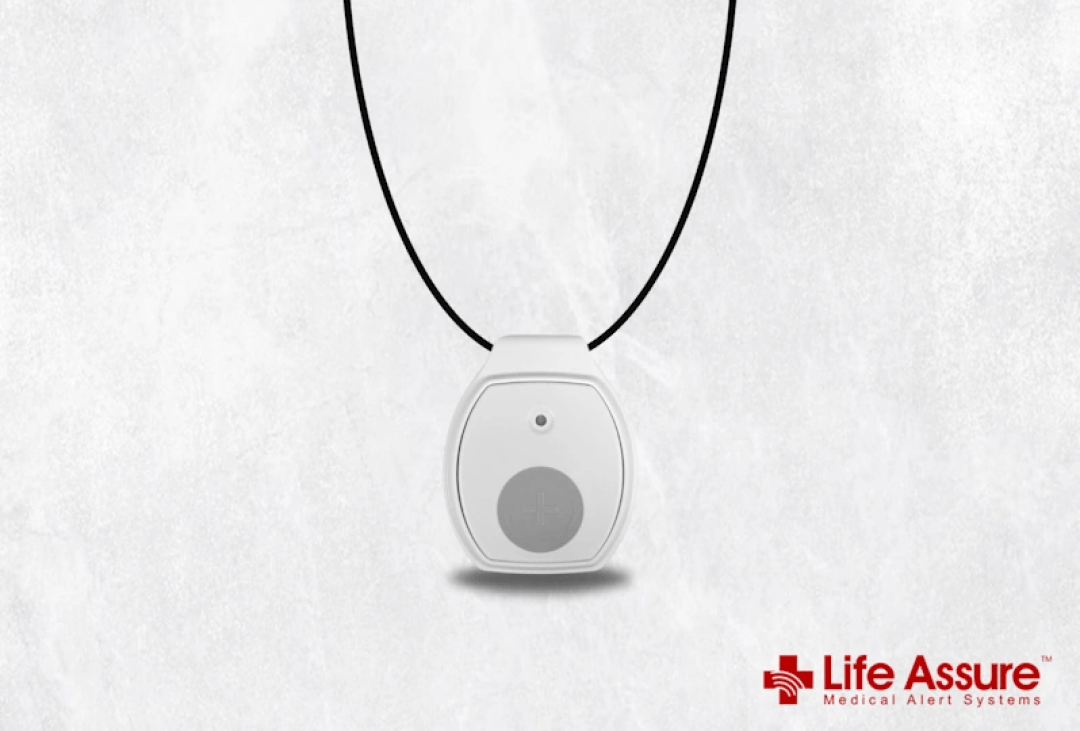
A medical alert system is one of the most thoughtful presents you can get for a vulnerable senior family member. These devices help monitor your loved ones’ health around the clock, enabling them to initiate distress calls during unforeseen medical emergencies.
Premier medical alert system providers supply both at-home and on-the-go monitoring devices. Thanks to this flexibility, you can quickly find a product that suits the intended wearer’s lifestyle.
But to truly unlock the benefits of medical alert systems, it’s best to acknowledge the varied scenarios where these devices may come in handy.
Read below to uncover the six emergency situations where having a senior monitoring system may save the day. The list focuses particularly on mobile GPS-enabled medical alert devices.
Old age is marked by a gradual cognitive decline. Indeed, many seniors contend with memory-impairing conditions like Alzheimer’s disease.
Alzheimer’s may cause your vulnerable loved ones to venture into places they shouldn’t be.
Whether it’s a busy freeway, open sinkholes, or dense forests, these locations can present existential danger to seniors with cognitive impairment.
Statistics by the Alzheimer's Association indicate that over 60% of people with dementia will wander from their homes at some point. Many do so repeatedly, underscoring the significance of active monitoring.
A mobile GPS medical alert system helps pinpoint a senior’s location on the go. Using real-time feedback from a built-in GPS tracker, you can quickly locate the wearer and safely bring them back home.
Cognitive decline isn’t the sole old age problem. Many seniors also grapple with muscle wastage and degenerative bone diseases, such as osteoarthritis.
Most of these conditions are progressive. Which means, they’re incurable and can only be managed.
The gradual weakening of muscles and bones can predispose seniors to falls. And depending on where they lose their balance, the consequences can be devastating.
Modern mobile GPS medical alerts come with fall detection that rings alarm bells when the wearer is immobile. To provide quality data, high-end medical alert systems utilize motion and orientation sensors.
Motion sensors activate upon detecting sudden immobility. Meanwhile, orientation sensors relay feedback when a user assumes certain unusual orientations like lying horizontally, which could indicate an inability to get back up after a fall.
Cardiac incidents increase dramatically in sunset years.
Many seniors report occasional chest pains. Some experience full-blown heart attacks, necessitating urgent intervention.
Wearing a mobile GPS medical alert can make a significant difference during cardiac events. In most cases, the wearer simply hits the Call button to report warning signs like dizziness.
The medical alert device would instantly initiate a conversation with an operator in a 24/7 call monitoring center. Professional agents will assess the emergency in split seconds, facilitating the necessary assistance before the situation escalates.
Besides cardiac incidents, mobile GPS medical alerts may also come in handy during seizures, stroke, and acute respiratory incidents like choking.
Your old-timer is strolling through the woods when, suddenly, he trips over a tree stump and bruises their heel. What initially looks like a minor scrape soon becomes life-threatening.
The wound begins bleeding heavily. Dizziness quickly sets in, setting the stage for cardiac arrest.
Fortunately, this is another scenario where a mobile GPS medical alert can save the day.
Mobile GPS devices with fall detection will automatically transmit signals to a monitoring center.
Even if the wearer doesn’t marshal enough strength to press the Call button, remaining still for minutes is enough of a cue that something is out of whack.
Fire incidents have become all too common. And along with them come increased carbon monoxide (CO) poisoning risks.
According to recent estimates, unintentional CO exposure accounts for over 100,000 emergency department visits in the United States annually.
14,000 of these ER visits wind up in hospitalizations, while 400 result in deaths.
Fires may be unpredictable. But when they occur, you can rely on a mobile GPS medical alert system to summon a swift response.
Press the Call button as soon as you’re marooned in a fire. If you can, whisk yourself to safety as you await first responders.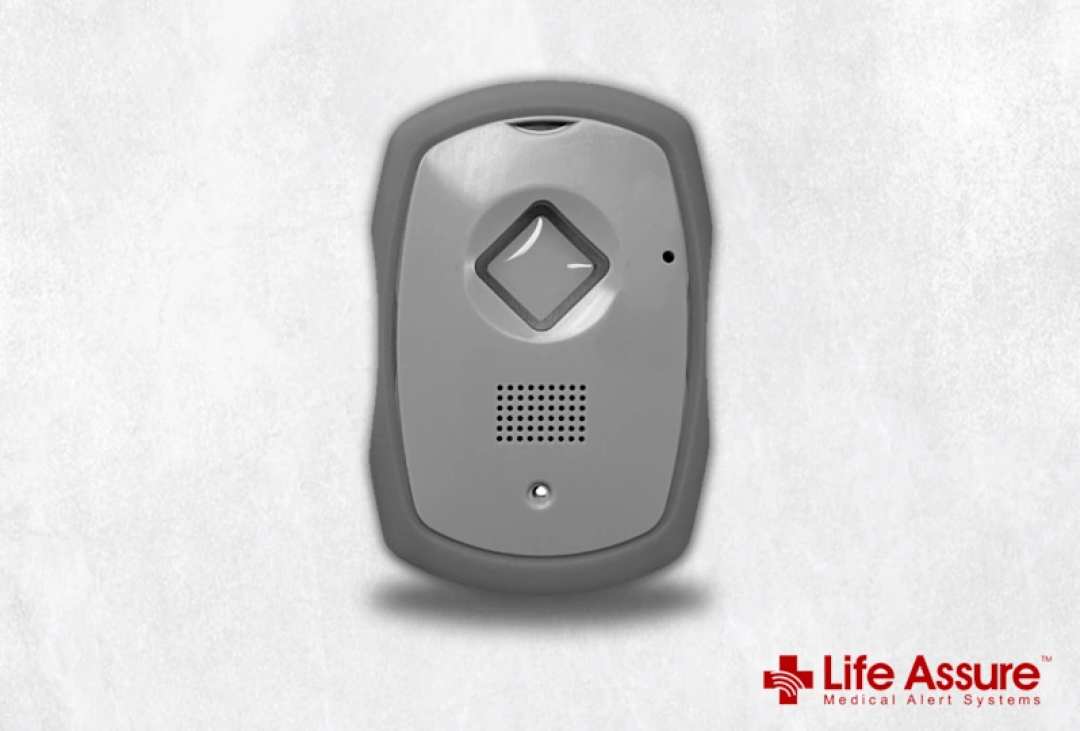
Although mobile GPS medical alert systems are synonymous with medical emergencies, they can come in handy during home invasions too.
If you suspect that your home has been burgled, simply hit the panic button on your wearable pendant or wristband to summon help. This will silently alert the monitoring center and have operators coordinate emergency response before the intruder can even realize you've acted.
If the threat is already close enough, you don't have to use two-way communication. Operators are trained to dispatch emergency response even when you remain silent after initiating initial contact.
Note that even homebound seniors can rely on mobile GPS medical alerts during medical and non-medical emergencies. The device enables the wearer to notify authorities silently, a safer option than making a loud 911 call.
Final Word
While mobile GPS medical alert systems may monitor several emergency scenarios on the go, always research widely while shopping for these devices. Insist on a GPS alert system by reputable brands.
Buy from a supplier with at least 10 years of experience, and preferably one that enjoys tons of positive customer reviews.
Besides, prioritize GPS mobile medical alert devices that include fall detection. This innovative feature is particularly important for seniors with reduced physical stability.
Remember to also maintain your medical alert systems properly to extend their longevity.
Wipe the device down with a soft, damp microfiber cloth to remove dirt and debris. And when recharging it, use the correct charger and strictly follow the manufacturer’s charging guidelines.
| Tweet |
